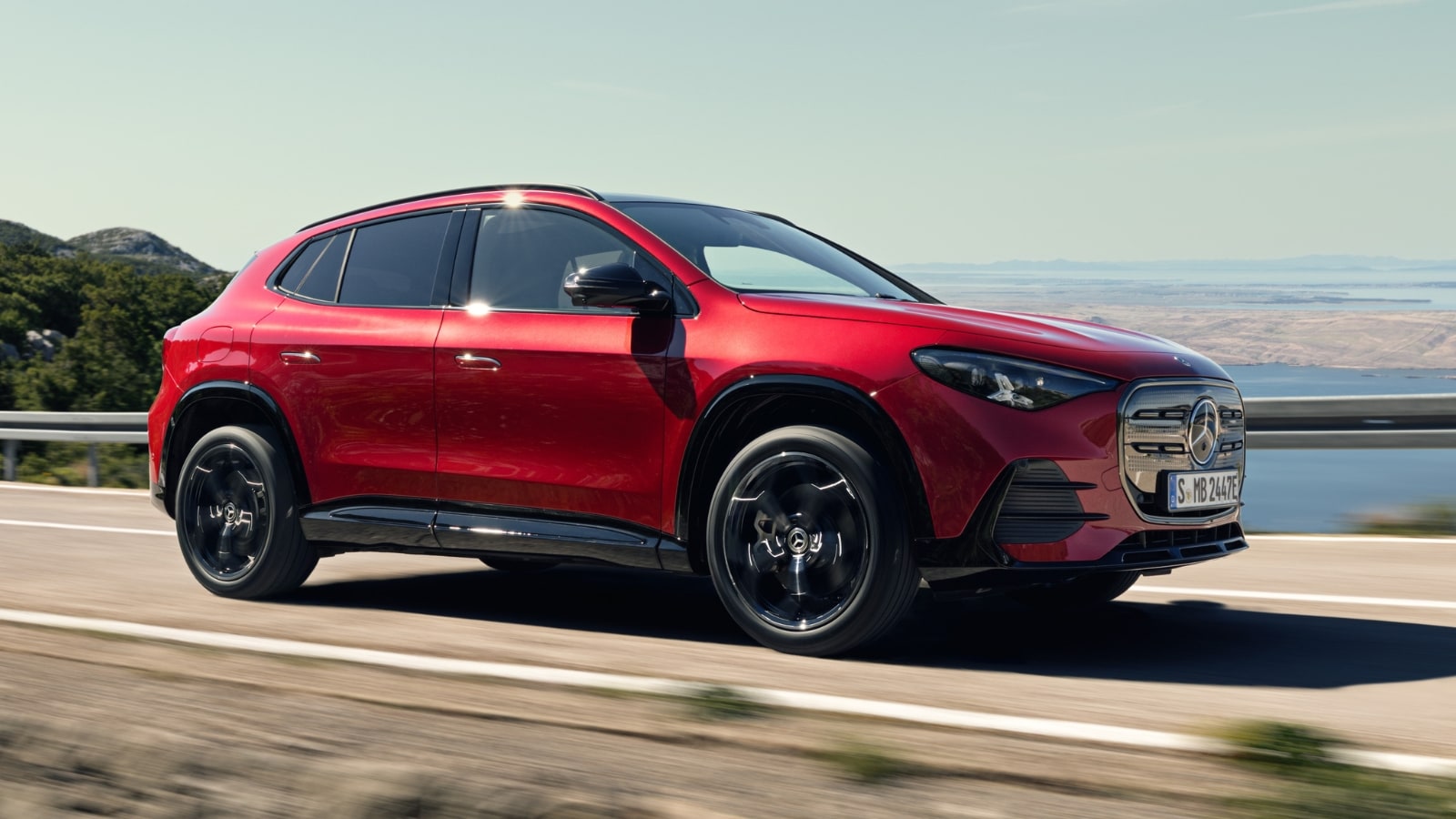
The automotive establishment is rarely accused of moving too fast. Yet, Stuttgart has officially torn up its old playbook. Mercedes-Benz has pulled the covers off the third-generation GLA, delivering a machine that does something its predecessors never could: offer a dedicated, high-voltage battery architecture from the ground up. Leading the charge is an all-electric variant boasting a claimed WLTP range of up to 657 kilometers, fundamentally rewriting what buyers can expect from a compact luxury crossover.
For years, legacy manufacturers treated electric vehicle conversions as an afterthought, stuffing heavy battery packs into floorpans originally engineered for internal combustion engines. The result was compromised packaging, sub-optimal weight distribution, and range anxiety that pushed mainstream buyers toward competitors. This new iteration changes the arithmetic. Built around the proprietary MMA platform, this third-generation compact utility vehicle is an electric-first proposition that finally ditches the compromises of the past.
Unpacking the Architecture
Look past the sheet metal, and the engineering narrative reveals a massive shift in philosophy. The electric GLA relies on a high-voltage 800-volt electrical system, moving away from the legacy 400-volt configurations that limit charging speeds.
This voltage doubling does more than just look good on a specification sheet. It slashes thermal stress during high-power replenishment cycles. When paired with a capable DC fast charger, the vehicle accepts up to 320 kW of juice, allowing the battery pack to recover up to 270 kilometers of driving range in a mere ten minutes. For long-distance road warriors, that kind of turnaround time closes the functional gap between fueling up with petrol and plugging into a high-speed terminal.
Mercedes is splitting the lineup into distinct functional tiers based on chemistry and output. The entry-level GLA 250 utilizes a 58 kWh lithium iron phosphate battery pack, delivering a WLTP-rated 447 kilometers of range. Step up to the GLA 250+ or the dual-motor all-wheel-drive GLA 350, and the vehicle receives an 85 kWh nickel-manganese-cobalt pack that stretches the limit to that headline-grabbing 657 kilometers.
Packaging Realities and Physical Footprint
A persistent critique of early compact luxury EVs involved cramped rear quarters caused by intrusive battery flooring. Mercedes addressed this by stretching the physical dimensions.
The third-generation vehicle measures 4,565 millimeters in length, marking a significant growth spurt of 153 millimeters over the outgoing model. The wheelbase expands by 61 millimeters, yielding a total span of 2,790 millimeters. That extra metal directly benefits cabin ergonomics. Rear-seat passengers finally gain genuine legroom rather than a token gesture of comfort.
Cargo utility receives a similar injection of common sense. The rear boot swallows 410 liters of cargo, while the omission of an engine block allows for a dedicated 107-liter front trunk, or frunk, providing secure storage for charging cables or smaller bags.
| Specification | GLA 250 (Base EV) | GLA 250+ / GLA 350 |
|---|---|---|
| Battery Capacity | 58 kWh (LFP) | 85 kWh (NMC) |
| Claimed Range (WLTP) | 447 km | Up to 657 km |
| Drivetrain | Single Motor RWD | RWD or Dual Motor AWD |
| Max DC Charging | 320 kW | 320 kW |
The Digital Cockpit Evolution
Inside the cabin, physical analog controls continue their steady retreat. The dashboard can be specified with the optional MBUX Superscreen, an expansive glass panel housing a 10.25-inch digital driver display, a central 14-inch infotainment interface, and a dedicated 14-inch passenger screen.
Critics often point out that over-reliance on touch-sensitive panels creates driver distraction. Mercedes attempts to counteract this by embedding generative artificial intelligence into the MBUX virtual assistant, aiming to make voice commands contextually aware rather than reliant on rigid syntax. Whether voice-first interfaces can truly replace tactile buttons at highway speeds remains an open question for daily drivers who value muscle memory over menus.
Hedging Bets With Mild Hybrids
Despite the heavy emphasis on battery propulsion, Stuttgart is refusing to put all its eggs in one basket. Recognizing that global charging infrastructure remains unevenly distributed, corporate leadership confirmed that a traditional internal combustion variant will join the lineup.
Scheduled to roll out globally next year, this derivative pairs a 1.5-litre four-cylinder turbo-petrol engine with a 48-volt mild-hybrid system and an electrified dual-clutch transmission. It is a pragmatic safety net. While the headline focus targets zero-emissions buyers, the company knows its dealer network still requires combustion options to maintain volume in developing markets or rural territories where charging posts are scarce.
The third-generation platform demonstrates that legacy automakers can adapt when pushed by aggressive market pressures. By decoupling luxury compact design from internal combustion constraints, Mercedes has built an electric crossover that competes on technical merit rather than badge prestige alone. The challenge moving forward will not be engineering capability, but whether production lines can scale efficiently enough to meet demand when these models hit showroom floors.