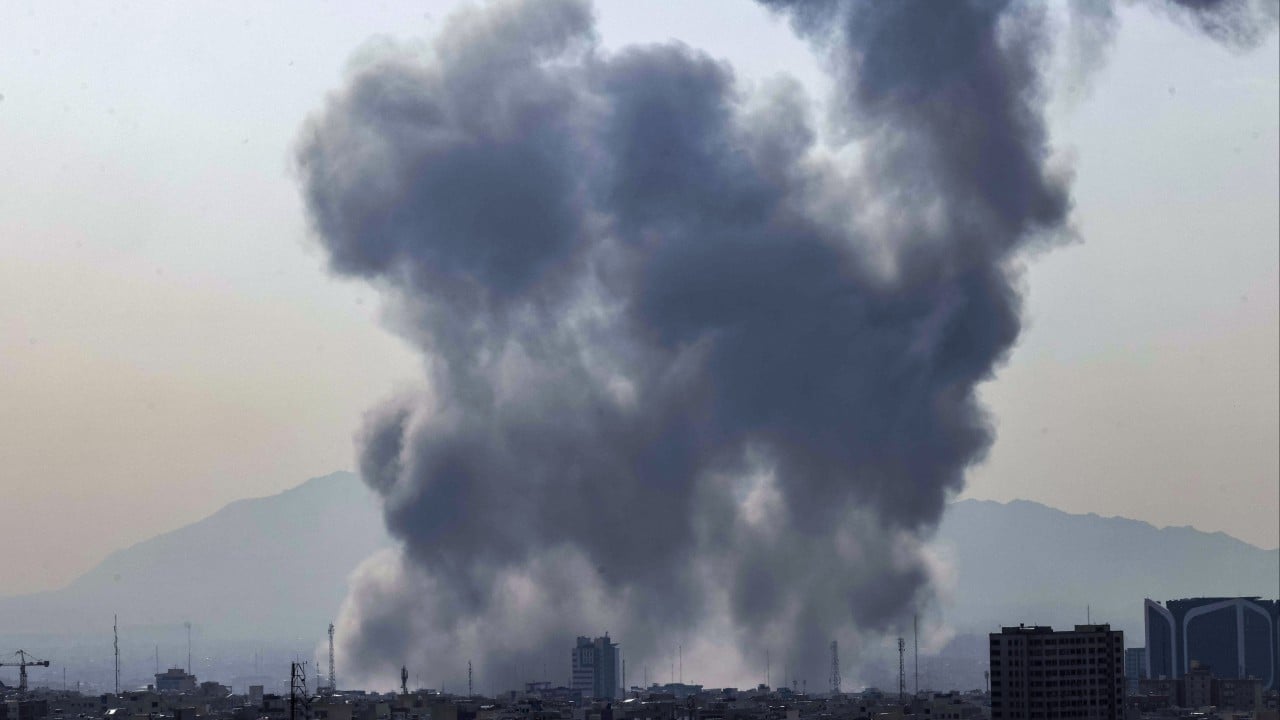
The global aviation map has been severed. Over the last 48 hours, a massive escalation in military strikes between the United States, Israel, and Iran has effectively deleted the world’s most critical transit corridor from the civilian sky. For the roughly 200,000 passengers currently stranded in terminal lounges from London to Singapore, the immediate reality is a mix of exhaustion and legal confusion.
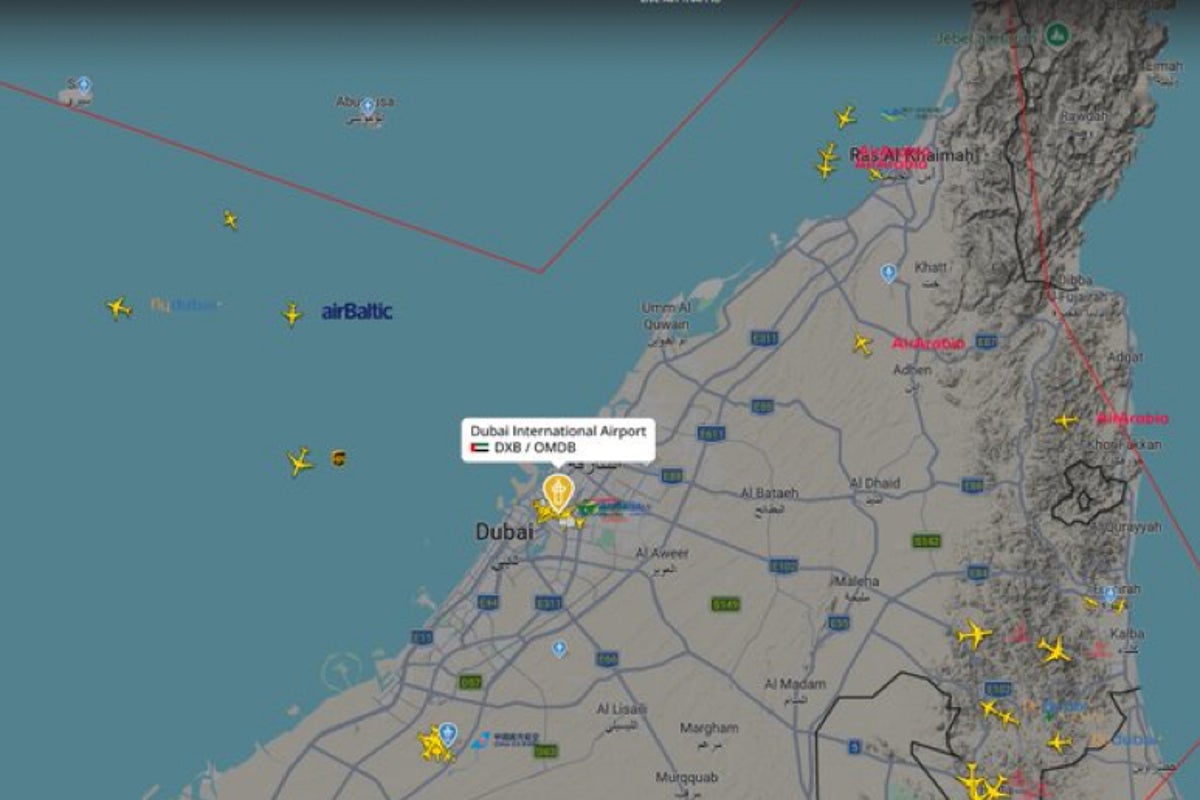
Airspace over Iran, Iraq, Israel, Jordan, and Qatar is either strictly closed or designated as a high-risk combat zone. Major hubs including Dubai International (DXB) and Doha’s Hamad International (DOH) have seen operations grind to a halt. If your flight was scheduled to transit through the Gulf today, it is almost certainly not happening.
While airlines are quick to cite "safety first," the secondary battle is over who picks up the bill. Under current international regulations, specifically the UK and EU 261/2004 frameworks, passengers are entitled to a refund or rerouting. However, the prospect of "extraordinary circumstances" is already being used as a shield to deny cash compensation.
The Mirage of Extraordinary Circumstances
Airlines have spent decades perfecting the art of the legal loophole. In the current crisis, they are leaning heavily on the "extraordinary circumstances" clause. Because the cancellations are the result of military strikes and government-mandated airspace closures—events clearly outside an airline's control—they are not legally required to pay the standard fixed-sum compensation (up to £520 or €600) that usually accompanies a short-notice cancellation.
But do not mistake a lack of compensation for a lack of rights.
The law is binary. Even if a war prevents a plane from taking off, the airline’s Duty of Care remains absolute. If you are stuck at an airport, the carrier is legally obligated to provide:
- Vouchers for food and drink proportionate to the wait time.
- Hotel accommodation if you are stranded overnight.
- Transportation between the airport and the hotel.
- Two successful communications (calls or emails).
Industry veterans know that during a "black swan" event of this scale, airline staff on the ground will be overwhelmed. If the carrier fails to provide these basics, you are permitted to book a "reasonable" hotel and buy "modest" meals yourself. Keep every physical receipt. Digital screenshots of bank statements are rarely enough for a claims department looking for reasons to reject a reimbursement request.
The Hub Strategy Backfires
The Middle East has long been the "bridge" of the world. Carriers like Emirates, Qatar Airways, and Etihad built their empires on the efficiency of the "hub-and-spoke" model, funneling millions of passengers through the Gulf. This efficiency has become a liability.
When Dubai or Doha shuts down, the ripple effect is global. A passenger flying from Mumbai to New York via Dubai is now caught in a logistical dead zone. Many airlines are now implementing a "return to origin" policy for flights already in the air, meaning a traveler six hours into a ten-hour flight might find themselves landing back where they started.
For those yet to depart, the advice is blunt. If your journey involves a connection in the Middle East, do not go to the airport. Most carriers, including Air India, Lufthansa, and United, have suspended regional operations until at least March 3, with some extending the freeze through March 8.
The Long Way Around
Aviation isn't just stopping; it's rerouting. Flights between Europe and Southeast Asia that once cruised over Tehran are now forced into massive detours. Many are being pushed south over Saudi Arabian airspace or even further toward the Cape of Good Hope route—a move that adds four to six hours of flight time.
This isn't just an inconvenience; it’s an economic disaster for the industry. The extra fuel burn, combined with a sudden spike in "war-risk" insurance premiums, will likely trigger a 20% surge in ticket prices for any remaining viable routes. We are witnessing the end of the low-cost long-haul era for the duration of this conflict.
The Refund Trap
Airlines will almost always offer a travel voucher first. They want to keep your cash on their balance sheets to maintain liquidity during a crisis. Under UK and EU law, you are not required to accept a voucher. If the flight is cancelled, you have the right to a full cash refund to your original payment method within seven days.
If you choose a refund, the airline’s duty of care ends immediately. You are essentially on your own. If you choose rerouting, the airline must continue to house and feed you until they can get you to your final destination, even if that takes a week. In a region where one-way tickets to London are currently being quoted at $1,700, holding the airline to their rerouting obligation is often the more financially sound move.
The sky will eventually reopen, but the trust between the passenger and the "global hub" model has been deeply rattled. For now, the only certainty is the fine print on the back of your ticket. Use it.