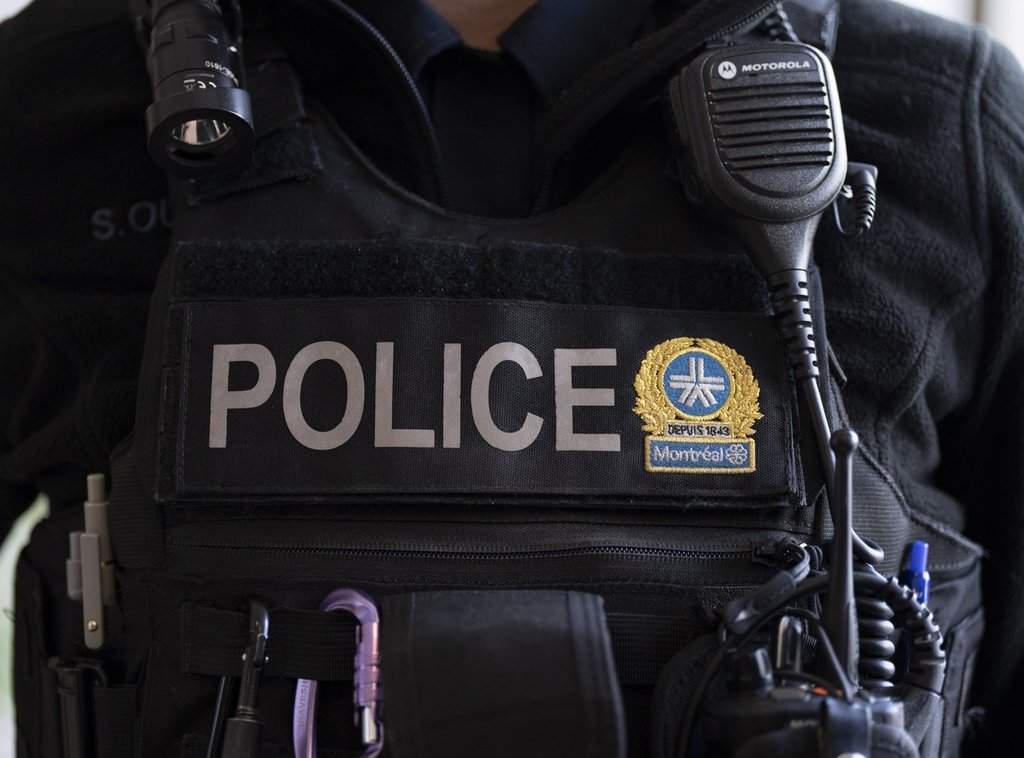
The sidewalk outside a municipal office is rarely a neutral space. When citizens and state representatives collide over administrative grievances, the friction often generates more than just heated arguments; it creates a constitutional crisis. In late September 2026, Montreal city council adopted a municipal measure that quickly ignited a fierce legal battle. The regulation targets public interactions by explicitly banning insults, harassment, threats, and aggressive behavior directed at municipal employees and police officers, carrying financial penalties ranging from three hundred to two thousand dollars. Almost immediately, legal clinics and civil rights advocates launched a constitutional challenge in the Quebec Superior Court, arguing that the city has overstepped its constitutional boundaries to criminalize mere discourtesy.
To understand why this ordinance has galvanized the legal community, one must examine the blurred line between genuine public safety measures and state-sanctioned censorship. Municipal authorities argued that public servants deserve protection from psychological abuse while performing their duties. Critics, however, contend that the phrasing of the text is dangerously broad and subjective. What constitutes an insult to one municipal inspector or patrol officer might simply be sharp political criticism from a frustrated resident. When the state attempts to legislate civility, it often grants arbitrary enforcement powers to the very individuals standing on the front lines of public conflict.
The timing and origin of the ordinance reveal a reactionary legislative model. The framework followed high-profile incidents involving viral confrontations and heated street-level arguments with law enforcement. Rather than relying on existing criminal code provisions that already penalize criminal harassment, uttering threats, and obstruction of justice, municipal leaders sought a localized tool. This strategy lowers the evidentiary threshold required to issue a fine. Instead of proving a criminal offense beyond a reasonable doubt, enforcement agents only need to establish the balance of probabilities for a municipal infraction.
Legal representatives for the plaintiffs, including advocacy groups like the Saint-Michel legal clinic, brought forward an urgent application to suspend the measure. They argued that the regulation inflicts immediate and irreparable harm on freedom of expression, a cornerstone protection under the Canadian Charter of Rights and Freedoms. During court hearings, defense arguments emphasized that a democratic society must tolerate a degree of friction and harsh rhetoric. Citizens venting frustration over housing code enforcement, transit delays, or aggressive policing tactics frequently use abrasive language. Silencing that frustration through the threat of heavy financial penalties risks driving public dissent underground, thereby exacerbating the very tensions the city claims it wants to defuse.
While a Quebec Superior Court judge ultimately declined an initial request to halt the enforcement of the regulation while the broader challenge proceeds, the underlying constitutional questions remain entirely unresolved. The court noted that demonstrating immediate institutional harm in the early weeks of implementation presented a high hurdle for applicants. Yet, the refusal to grant an injunction is a procedural decision, not an endorsement of the regulation's legality. The substantive debate over whether a city council can lawfully police the tone of its constituents is set to return to the judicial docket.
Experience shows that municipal governments frequently attempt to expand their regulatory scope during periods of social unrest or administrative strain. When public trust in institutions declines, tightening control over public expression is a common bureaucratic reflex. Yet history suggests that suppressing negative feedback does nothing to repair the underlying institutional fractures. As the legal proceedings grind forward, the core dilemma remains whether a municipality can punish bad manners without trampling constitutional rights.
Montreal legal rights groups challenge anti-insult bylaw
This video provides an overview of the legal arguments presented by civil rights advocates challenging Montreal's municipal restriction on public speech.


