An Indigenous advocacy coalition in Manitoba is launching an emergency $20 million fundraising drive to buy back thousands of sacred cultural belongings from a private Swiss collector. This high-stakes scramble exposes a dark reality in international antiquities law. Because these ancestral items are held by a private citizen rather than a state-backed institution, international repatriation frameworks are entirely useless, transforming a matter of human rights into a commercial real estate deal for the soul.
The collection belongs to Vincent Escriba, a retired collector who amassed roughly 3,500 North American Indigenous artifacts—including sacred ceremonial pipes, cradleboards, feathered headdresses, and historic firearms linked to the 1876 Battle of the Little Bighorn. For decades, Escriba displayed these items in a private museum near Zurich. When he shut the museum doors to retire, the destiny of these artifacts shifted from public display to the global auction block.
Escriba has placed an estimated valuation of $12 million to $14 million on the items. He claims he wants the collection returned intact to North American communities rather than piece-by-piece liquidation. But there is a catch. He is not donating them.
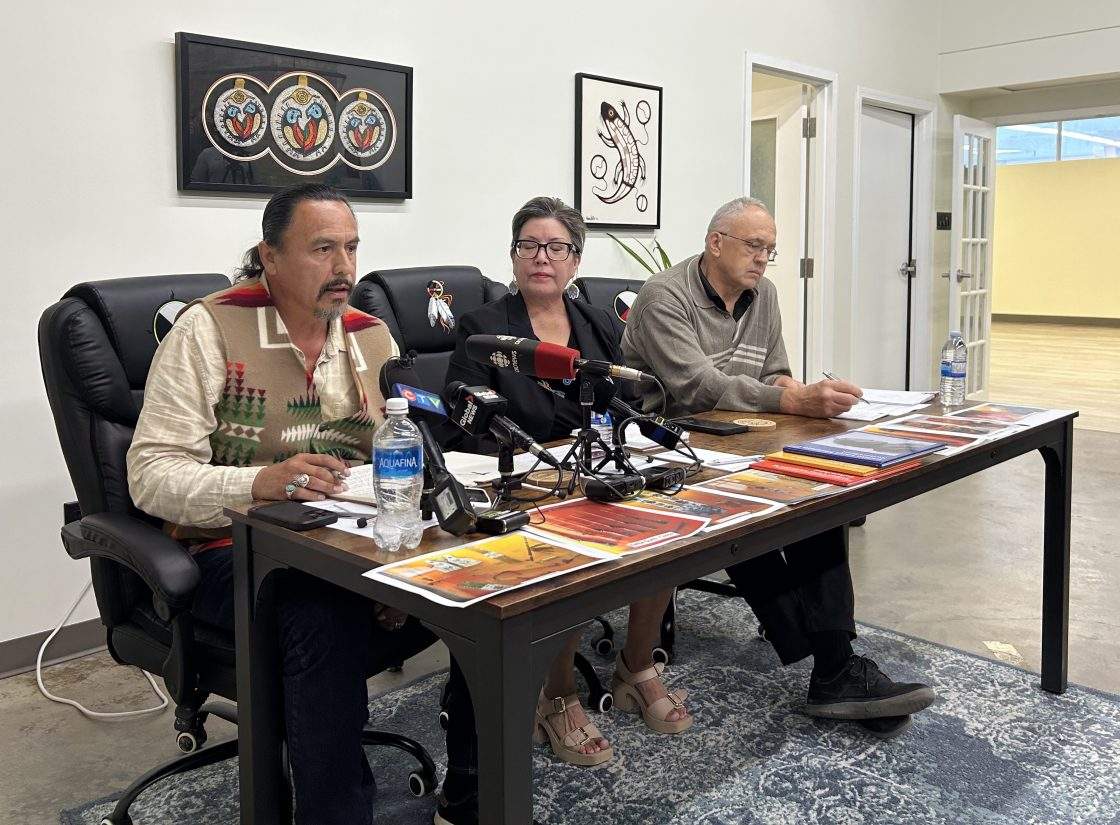
The Bringing Them Home project, led by Cree advocate Coleen Rajotte and First Nations leaders from Manitoba, faces an aggressive deadline. Escriba wants the matter settled in months, not years. If the coalition cannot raise the $20 million required to cover the purchase price, appraisal fees, authentication, and transport, the collection will hit the open market.
The Private Collector Loophole
International repatriation relies heavily on voluntary ethical codes or frameworks like the 1970 UNESCO Convention on the Means of Prohibiting and Preventing the Illicit Import, Export and Transfer of Ownership of Cultural Property. These legal instruments carry weight when targeting state-funded museums or public universities. When a sovereign nation demands the return of looted goods from a national museum in Europe, diplomatic levers can be pulled.
Private property laws upend this dynamic completely. Under Swiss civil law, private property rights are fiercely protected, and a collector who purchased items in good faith over several decades holds legal title, regardless of how those items originally left North America.
"If this was in a government-owned museum, say in Switzerland, there'd be international laws that would protect our items," Coleen Rajotte stated during a Winnipeg press conference. "Because this is a private collector, it's an entirely different ball game."
This legal reality forces Indigenous communities into a deeply troubling ethical corner. To secure the return of their own ancestors' spiritual objects, they must validate the private market by paying a multi-million dollar ransom.
The Supply Chain of Sacred Objects
How thousands of highly sensitive ceremonial items from the Dakota, Plains Cree, and Ojibwe nations ended up in a private residence near Zurich remains a murky historical puzzle. The commercial pipeline for Indigenous antiquities has operated globally for more than a century, fueled by poverty on reservations, unscrupulous estate executors, and an insatiable European fascination with the mythos of the American West.
The presence of nineteenth-century firearms from the Battle of the Little Bighorn underscores the commodification of Indigenous trauma. Battlefields were systematically stripped by scavengers, and the weapons used by Indigenous defenders became high-value trophies among wealthy European collectors.
Many of these items are not mere art. They are sacred bundles—living entities within Dakota and Cree spiritual traditions that require specific care, protocols, and prayers. To traditional caretakers, keeping these objects locked in cardboard boxes or displayed under glass as trophies in a European chalet is a form of ongoing spiritual violence.
The Threat of Global Capital
The urgency driving the Bringing Them Home project is fueled by the aggressive nature of the private art market. If the Manitoba coalition fails to meet the financial demands of the Swiss collector, the collection will likely be fractured and scattered across the globe.
Private auction houses in New York, Paris, and Dubai routinely trade in historic tribal art, often shielding buyers behind strict anonymity laws. Once an item enters the secure vault of a billionaire's private estate or a corporate office, tracing its location becomes nearly impossible. The ancestral connection is permanently severed.
The financial barrier is steep. The $20 million target includes hiring independent appraisers to authenticate and value each of the 3,500 pieces individually—a logistically intense process when dealing with fragile materials like antique quillwork, beadwork, and sacred wood.
Moving Past Rhetoric
While national governments routinely issue public statements regarding reconciliation, funding for actual repatriation efforts remains drastically scarce. The Bringing Them Home project is calling on federal, First Nations, and tribal governments in both Canada and the United States to step in with direct financial intervention.
If successful, the coalition intends to establish a dedicated, Indigenous-run museum facility in Winnipeg to house the collection safely. This would ensure the items are preserved under the guidance of traditional elders rather than corporate curators.
Relying on the philanthropy of impoverished communities to buy back their stolen heritage is a broken strategy. Without a dedicated international fund specifically designed to intervene in private-market sales of ancestral property, indigenous history will continue to be sold to the highest bidder.