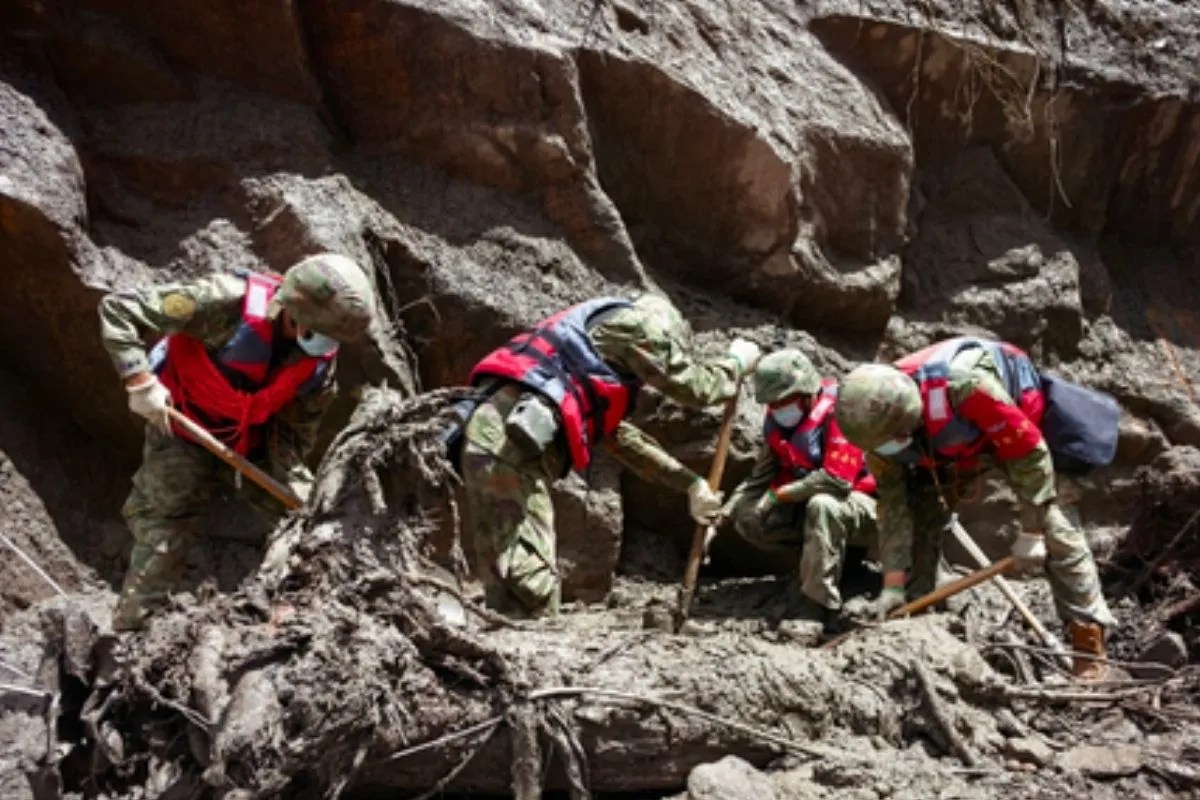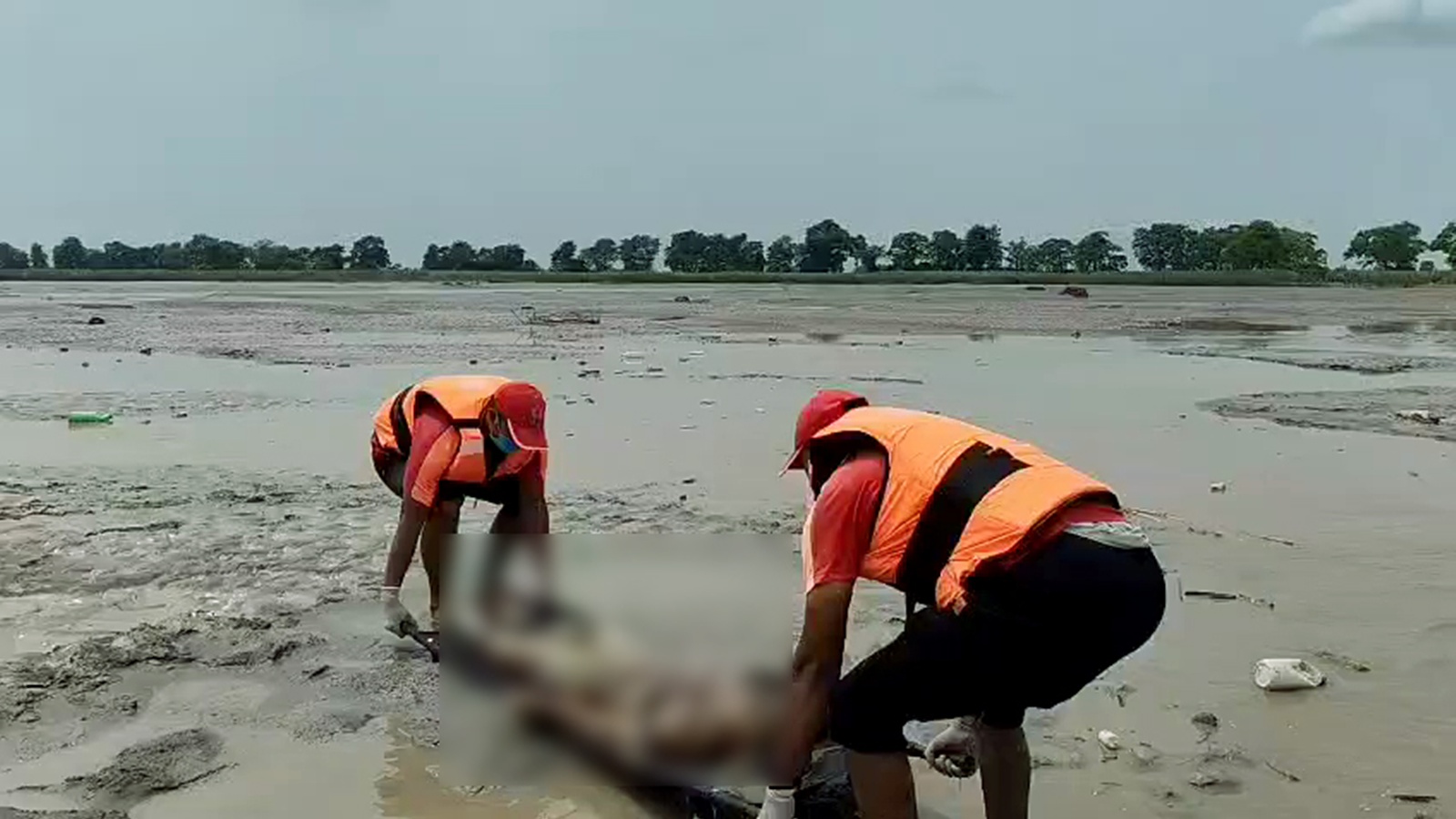
The death toll from the catastrophic flash floods sweeping through central Nepal has climbed to 626, with over 2,400 people still listed as missing. Days after an ice-rock avalanche triggered a massive debris flow down the Bhote Koshi and Trishuli river corridors, emergency responders are picking through mud-choked settlements across districts like Chitwan, Nawalparasi East, and Nuwakot. Helicopters continue to fly sortie missions, hospitals overflow with trauma patients, and downstream communities remain on edge as authorities warn of secondary torrents.
Yet the official narrative focusing solely on a sudden glacial collapse near the Tibet border misses the structural rot that turned a natural mountain hazard into a mass casualty event.
High-altitude anomalies do not happen in a vacuum of human vulnerability. For decades, planners and local communities have treated the steep valleys of the Himalaya as static real estate. Roads have been carved recklessly into unstable toe slopes, aggregate mining has stripped natural river buffers, and dense clusters of hydropower infrastructure have proliferated directly inside narrow river corridors. When millions of cubic meters of rock, ice, and slurry detached from an elevation above 5,000 meters and plunged over a thousand meters down into the Lhende Khola, it did not strike an empty wilderness. It hit an intensely developed river basin where economic ambition had completely outpaced basic environmental reality.
The concentration of hydropower projects along these vulnerable waterways illustrates a systemic blindness. Energy developers covet the steep drops and high discharge rates of Himalayan rivers, building multi-million dollar intakes, tunnels, and worker housing right on the river banks. When the wall of water arrived without warning, hundreds of construction and operations workers trapped inside tunneling projects became immediate casualties.
Transboundary information sharing remains another broken link in the crisis chain. Water, sediment, and glacial risks do not respect international borders. Early indicators of slope destabilization and localized warming trends require instantaneous cross-border data transfer between China, Nepal, and downstream India. Instead, institutional friction, bureaucratic latency, and fragmented governance mean that warnings often move significantly slower than the floodwaters themselves.
Search and relief operations involving over 15,000 security personnel are currently masking the deeper policy failure. Once the mud clears and international headlines fade, the rebuilding cycle will likely repeat the exact same errors, anchoring fresh concrete into the very same hazardous floodplains.
Recovery requires a fundamental rewriting of how infrastructure is permitted in high mountain zones. Until regional planners abandon the illusion that engineering can permanently conquer gravity in a warming cryosphere, tragedies of this magnitude will remain an inevitable recurring cycle rather than an unpreventable anomaly