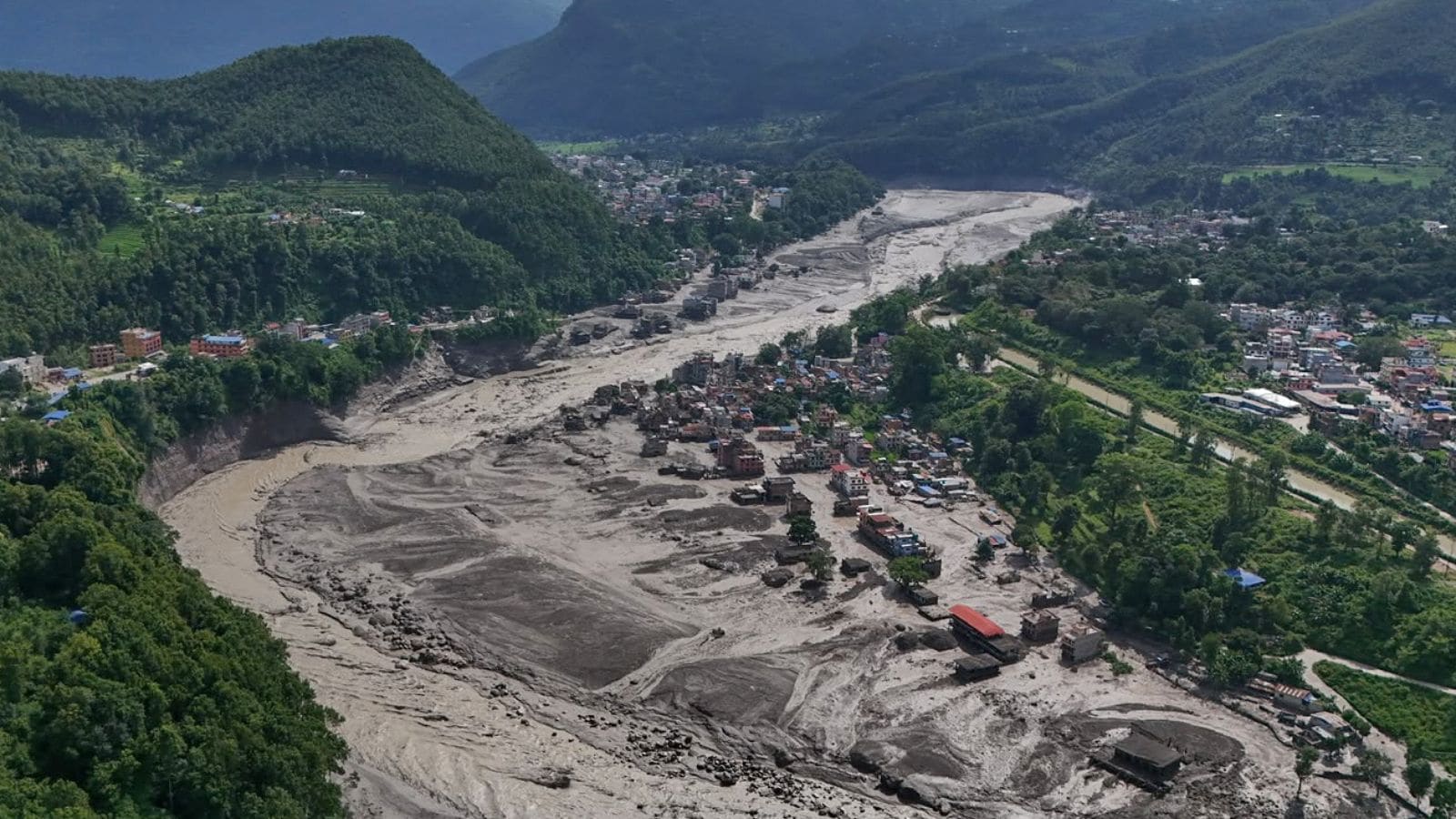
Monsoon fury in the Himalayas leaves a trail of devastation, trapping hundreds of foreign nationals and exposing the lethal vulnerabilities of regional disaster response systems.
Recent cloudbursts and torrential rains have transformed parts of Nepal into zones of extreme peril. Among those caught in the rising waters and landslides, more than 100 Indian tourists remain unaccounted for, while confirmed fatalities mount in districts like Rasuwa. The sheer scale of the disaster has overwhelmed local authorities, forcing families across international borders into frantic vigils as communication lines shatter and rescue operations stall against impossible terrain.
The Geography of Catastrophe in Rasuwa
Rasuwa is not an easy place to survive a natural disaster. Steep gorges, fragile mountain slopes, and roaring river systems define this northern Himalayan corridor. When heavy monsoon rains pound these elevations, the structural integrity of the earth vanishes overnight.
Geological instability in the region stems from a combination of steep topography and intensive seismic history. The ground remains fractured from previous earthquakes, meaning even moderate rainfall can trigger catastrophic debris flows. When unseasonably heavy precipitation arrives, entire mountainsides slide into the Trishuli and Bhote Koshi rivers, turning waterways into battering rams of mud, boulders, and snapped timber.
Highways narrow to single lanes carved into sheer rock faces. When these arteries give way, evacuation becomes an exercise in desperation.
- Roads disappear under thousands of tons of wet earth.
- Bridges collapse into swollen torrents within minutes.
- Footpaths utilized by trekkers wash away entirely, stranding visitors in remote high-altitude pockets.
Local administration units possess limited heavy machinery capable of clearing major arterial blocks swiftly. By the time clearance crews reach the hardest-hit sectors, days have often passed. For those trapped without shelter or clean water, the delay is fatal.
The Blind Spot in Cross Border Tourism Management
Thousands of citizens cross the open border between India and Nepal daily. Pilgrims, adventure seekers, and casual vacationers flow freely through border checkpoints without registering their specific itineraries with local embassies or district administrators.
This open-border ethos fosters a dangerous information vacuum during emergencies.
When a landslide takes out a lodge or a stretch of highway in Rasuwa, rescuers have no manifest. They do not know if three people or thirty people were occupying a guesthouse at the exact moment of impact. Consulate offices rely on frantic calls from relatives back home in cities like Delhi, Mumbai, or Patna to piece together who might be missing.
The lack of a mandatory digital tracking or registration protocol for foreign nationals entering high-risk trekking and pilgrimage zones creates an administrative nightmare.
- Consular teams operate with incomplete passenger lists.
- Rescue helicopters fly blind over vast, mist-shrouded valleys.
- Families endure agonizing days waiting for ground reports from areas where mobile towers have collapsed.
Without structural reforms in how cross-border tourism is monitored during extreme weather windows, each subsequent monsoon will claim lives simply because authorities do not know who is missing until bodies are recovered downstream.
Climate Shocks and Infrastructure Deficits
The severity of the current crisis highlights a dangerous mismatch between historical infrastructure standards and modern climate volatility. Roads, bridges, and hydroelectric projects across the Himalayan belt were engineered for historical weather patterns that no longer apply.
Atmospheric rivers and erratic low-pressure systems now dump months of average rainfall into condensed windows of 24 to 48 hours.
Civil engineering in the region has historically prioritized immediate connectivity over long-term climate resilience. Cutting roads directly into unstable toe slopes without adequate bio-engineering or retaining walls invites disaster during extreme precipitation events. Every monsoon season tests these shortcuts, and every year the mountains extract a heavy toll for human miscalculation.
Furthermore, early warning systems struggle to reach remote pockets effectively. While national meteorological centers issue general advisories, translation into localized, actionable warnings for tourists walking mountain trails remains weak. A trekker out of range of cellular data receives no alert about an impending cloudburst upstream.
Investment must shift toward redundant satellite communication networks, ruggedized weather monitoring stations, and strict zoning laws that prohibit construction in active debris-flow paths. Until developers and governments treat the Himalayan ecosystem with the respect its volatile geology demands, recurring tragedies will remain an inevitable feature of regional travel.
The search operations in Rasuwa continue under torrential downpours, while families search for answers in the mud.