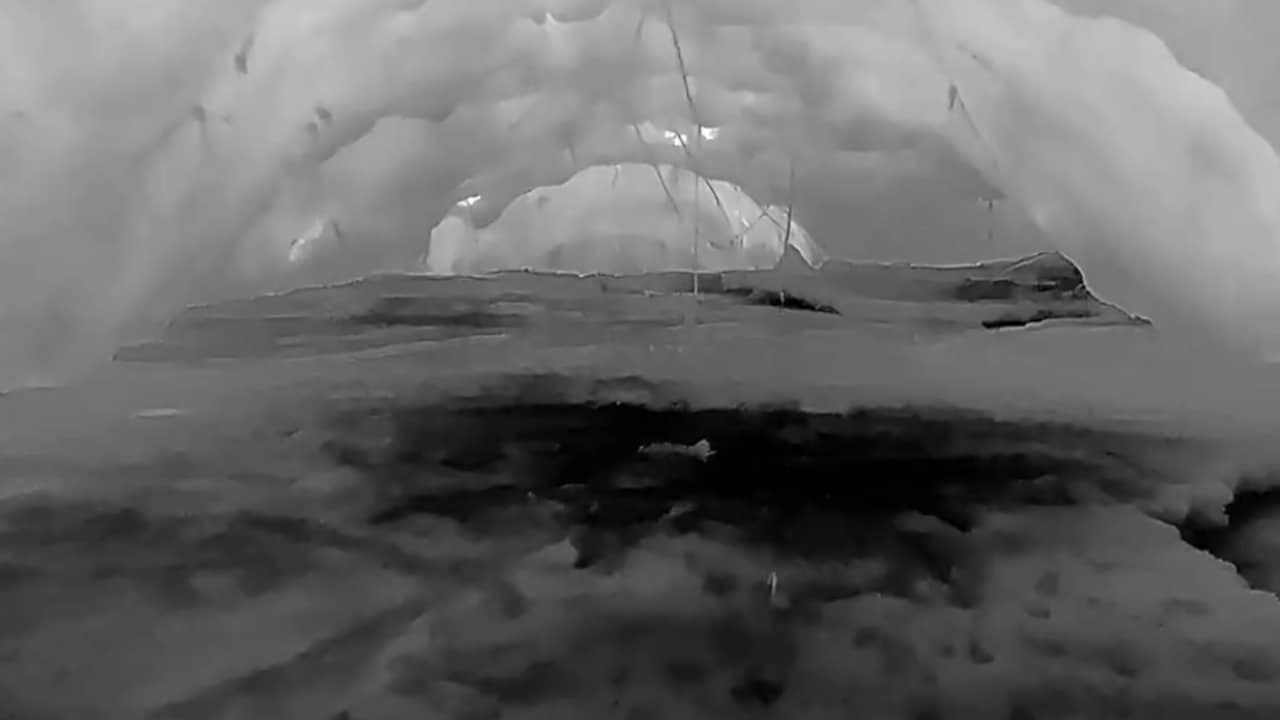
At least 93 workers vanished inside the Rasuwagadhi Hydropower Project tunnel in Nepal following catastrophic flash floods along the Bhotekoshi-Trishuli river corridor. When elite rescue squads deployed advanced thermal-imaging drones into the subterranean infrastructure, the monitors returned a chilling result: complete emptiness. No heat signatures, no bodies, and no signs of life flickered across the operator screens as the devices mapped the upper stretches of the choked conduit. This grim discovery mirrors a broader regional tragedy, with hundreds of construction and operational personnel unaccounted for across multiple hydroelectric worksites in Rasuwa and Nuwakot.
The disaster underscores the vulnerability of massive subterranean engineering projects built within fragile Himalayan ecosystems. Mountain infrastructure projects rely on complex labyrinths of diversion tunnels, underground powerhouse chambers, and tailrace channels. When a wall of water, mud, and boulders tears down a steep gorge, these tunnels transform rapidly from workspaces into death traps.
The Subterranean Labyrinth
Understanding why advanced technology failed to locate the missing requires looking closely at the physics of a catastrophic tunnel flood. When the flash flood hit, water did not merely trickle into the lower elevations; it arrived with the force of a hydraulic battering ram, carrying thousands of tons of silt, rock debris, and uprooted timber.
Rescuers face several immediate barriers inside these subterranean shafts:
- Dense Sediment Blockades: Silt and fine gravel fill tunnels up to the ceiling, burying everything beneath meters of slurry that blocks thermal imaging completely.
- Structural Collapses: Internal cave-ins isolate segments of the conduit, cutting off any potential air pockets where workers might have initially sought refuge.
- Atmospheric Toxicity: Stagnant water mixing with disturbed organic matter and restricted ventilation creates toxic pockets of carbon monoxide and methane.
- Thermal Masking: Thick layers of wet mud act as an effective thermal blanket, neutralizing body heat signatures before they can reach drone-mounted infrared sensors.
The limitations of aerial technology in closed spaces quickly became apparent. While thermal drones excel at scanning open terrain or surface rubble piles, their sensors cannot penetrate dense rock, thick walls of mud, or compacted sediment. The drone sent into the Rasuwagadhi tunnel mapped the accessible upper sections of the shaft, yet the absence of thermal returns left families and emergency coordinators grasping for answers.
Anatomy of a Himalayan Catastrophe
The scale of the missing workforce points to systemic planning failures across the region's rapid hydropower expansion. Nepal, alongside neighboring regions in the Himalayas, has turned aggressively toward hydroelectric generation to meet domestic energy demands and export power to South Asian markets. Dozens of run-of-the-river projects have sliced through remote gorges over the past two decades.
These projects often require extensive tunneling beneath unstable slopes prone to monsoon-induced landslides and glacial lake outburst floods. When unseasonable or extreme weather triggers sudden overflow, warning times shrink to mere minutes. Workers stationed deep underground or sleeping in base camps situated directly in narrow river valleys have virtually zero margin for error.
International specialists from India and China arrived with heavy machinery and specialized subterranean extraction gear to assist local security forces. Teams have attempted to drill vertical access holes from the surface directly into suspected tunnel chambers, pumping in oxygen, food, and water while lowering cameras down drop lines. At the Trishuli 3A facility, rescuers managed to rappel through newly drilled ceiling openings, only to be met with deafening silence.
The Hard Limits of Disaster Technology
The reliance on high-tech solutions like thermal drones highlights a recurring pattern in modern disaster response. When catastrophic failures occur in extreme environments, authorities reach instinctively for futuristic tools to project control over chaotic situations. Yet technology cannot rewrite the laws of physics.
Infrared cameras read surface temperatures. They cannot see through five feet of wet sediment, nor can they detect human warmth insulated by heavy layers of stone and muck. The blank screens of the Rasuwagadhi drone do not definitively prove that every missing worker was swept completely out of the tunnel system into the raging river below, nor do they confirm fatalities in every blocked chamber. They simply mark the boundary where remote oversight ends and grueling, hazardous manual excavation must begin.
As specialized engineering units continue drilling relief shafts and clearing tons of debris from blocked portals along the Bhotekoshi corridor, the reality of high-altitude industrial development asserts itself. Concrete and steel carved into active river valleys remain entirely at the mercy of shifting mountain geography, leaving recovery teams to labor through layers of mud in a relentless race against time.
Inside Nepal tunnel: Thermal drones hunts for survivors, can't see any
This video report details the deployment of thermal drones and international rescue teams working to locate hundreds of missing hydropower workers trapped inside flood-damaged tunnels across Nepal.


