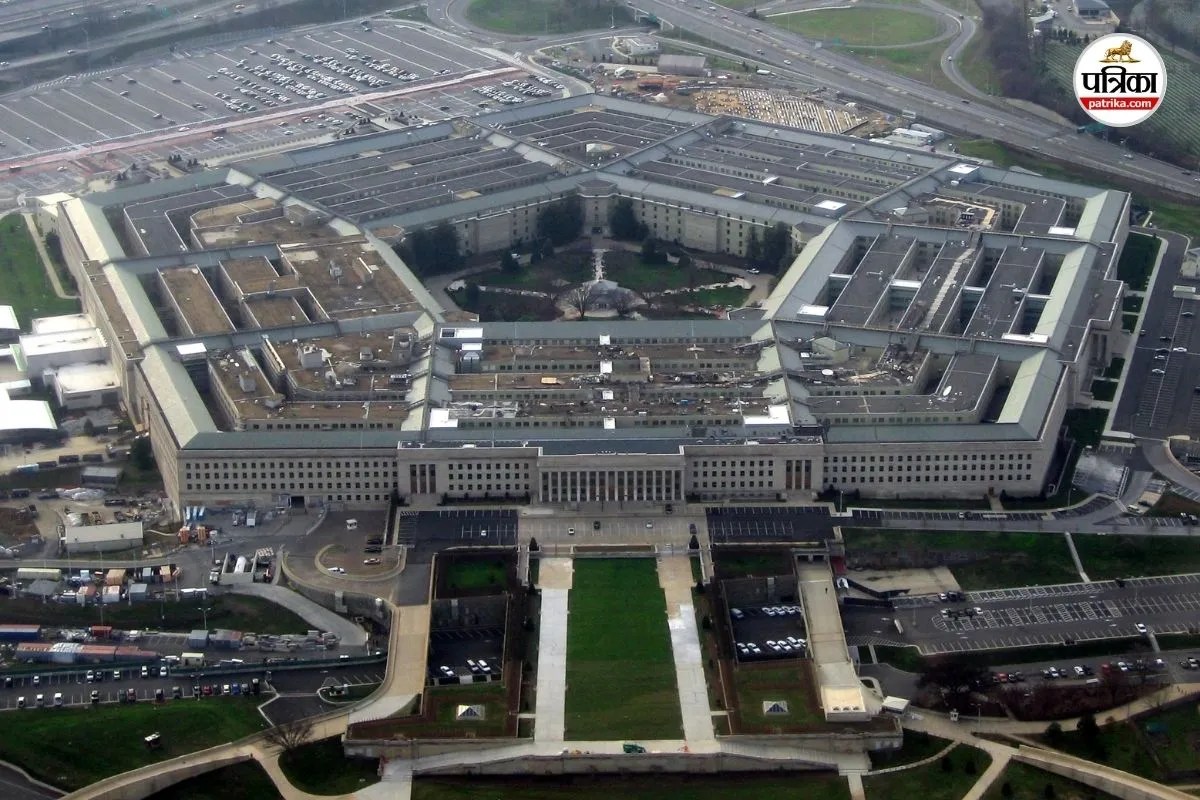
When the systems guarding the architecture of national defense begin to bleed unencrypted data, the architecture itself becomes a liability. Over the past several months, a massive security failure at the Defense Manpower Data Center (DMDC) exposed the sensitive personal files of roughly three million military personnel, civilian workers, and associated individuals.
This incident did not happen in a vacuum. Running parallel to a high-profile breach targeting the Federal Bureau of Investigation, the Pentagon exposure signals an institutional failure of oversight that goes far beyond routine cyber vandalism. It reveals a structural rot in how federal agencies and their contractors handle the foundational architecture of human resources data.
The Architecture of the Failure
The mechanism behind the DMDC breach exposes a fundamental lack of baseline digital hygiene. According to disclosures reviewed by affected individuals and security researchers, the intrusion centered on an unmanaged or vulnerable file-transfer mechanism. Files containing personally identifiable information—including Social Security numbers, dates of birth, and comprehensive service histories—sat unencrypted on accessible servers.
For decades, military human resources repositories have operated under the assumption of perimeter security. The underlying philosophy assumed that if a network sat behind enough administrative walls, the data within it did not require internal cryptographic scrambling. That assumption is fundamentally flawed. When unauthorized actors managed to slip past the outer defenses of the file-sharing system, they found a treasure trove waiting in plaintext. No complex decryption algorithms were needed. No sophisticated cryptographic keys had to be stolen. The records were open for extraction.
This mirrors the concurrent compromise of the FBI's portal infrastructure, where backend Oracle PeopleSoft servers remained unpatched against known vulnerabilities. In both cases, the vulnerability was not an advanced, zero-day exploit crafted by nation-state geniuses working in the dark. It was basic administrative neglect: unpatched software, missing encryption, and a failure to audit legacy file-transfer repositories that should have been decommissioned years ago.
The Counterintelligence Nightmare
The loss of millions of military and federal personnel records transforms a standard data incident into a profound national security crisis. When foreign intelligence services or criminal syndicates acquire unencrypted records containing the exact career paths
The Pentagon Data Breach Exposes the Rot Inside Military Cybersecurity
technology, news
The FBI took the brunt of the public relations disaster when foreign operatives breached federal networks, but the real structural collapse happened quietly inside the Department of Defense. When millions of service member records leaked onto underground forums, it did not happen because of a single ingenious exploit by an elite cyber warfare unit. It happened because the defense apparatus relies on an aging web of contractor supply chains that prioritizes cost-cutting over operational security.
Military data security has operated on a foundation of blind trust for decades. Thousands of private defense contractors have access to sensitive military personnel files, logistics manifests, and background clearance documents. Each vendor represents an open flank. When an adversary wants to compromise the Pentagon, they do not storm the front gate of the Joint Chiefs of Staff. They look for the lowest bidder in the supply chain, a third-party software vendor running unpatched servers with default administrative credentials.
The mechanics of this latest breach reveal a systemic vulnerability that goes far beyond a single compromised database. Personnel records, security clearance details, and deployment logs require heavy cryptographic protection and strict zero-trust segmentation. Instead, legacy systems often pool this data into centralized repositories where a single credential compromise grants lateral movement across entire subnets. Once inside, an actor can siphon gigabytes of data over weeks without triggering anomaly detection alerts.
Defense officials love to talk about modernizing infrastructure through automated threat hunting and artificial intelligence integrations. The boardroom rhetoric sounds impressive during congressional hearings. On the ground, however, military cyber commands fight a two-front war against foreign threat actors and internal bureaucratic inertia. Procurement cycles take years. Software updates require layers of redundant paperwork. Meanwhile, adversarial cyber units move at machine speed, exploiting zero-day vulnerabilities within hours of public disclosure.
The fallout from exposed service member data extends beyond identity theft or financial fraud. Foreign intelligence services aggregate these leaked personnel files to map the personal vulnerabilities, travel patterns, and family connections of active-duty personnel stationed in sensitive theaters. This information forms the bedrock of targeted espionage campaigns and social engineering attacks designed to compromise individuals before they even realize they are targets.
Fixing this crisis requires a radical shift in how the military manages contractor accountability. Security requirements cannot remain mere checklist items written into procurement contracts. They require continuous automated auditing, immediate termination of contracts for non-compliant vendors, and the implementation of zero-trust architecture across every tier of the defense supply chain. Until the Pentagon treats contractor cybersecurity with the same rigor it applies to nuclear launch protocols, these breaches will continue to serve as a stark reminder of institutional vulnerability.