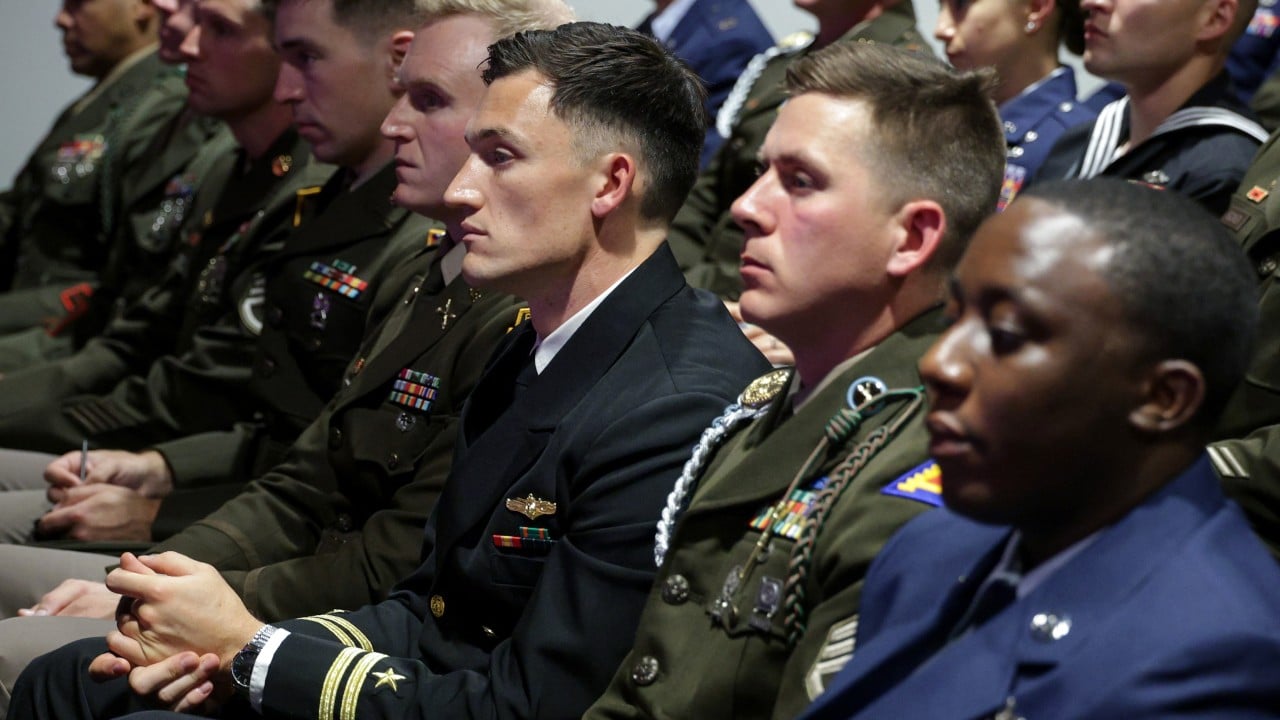
The transformation inside the Department of Defense under Defense Secretary Pete Hegseth is moving at a speed that has left traditional defense analysts scrambling for models. Characterized by an aggressive internal restructuring and an explicit ideological filter, the current leadership echelon is systematically reshaping the American military apparatus. While critics fixate on the sweeping personnel dismissals and the administration's blunt internal rhetoric, a parallel geopolitical maneuver is quietly unfolding. Washington is simultaneously reopening critical military-to-military communication channels with Beijing, creating a jarring paradox of intense domestic ideological consolidation paired with pragmatic great-power deconfliction.
Understanding this strategy requires looking past the political theater and examining the structural mechanics of the Pentagon's ongoing purge. For decades, the defense bureaucracy operated on an institutional momentum that favored administrative expansion, joint-service consensus, and extensive multinational integration. The current leadership views this exact cultural baseline as a strategic vulnerability. By targeting officers and civilian officials deemed misaligned with the commander-in-chief's core vision—informally summarized by the administration's internal directives as an elimination of ideological non-conformity—the Pentagon is attempting to manufacture absolute institutional obedience. You might also find this related coverage interesting: State Accountability Mechanics And The Documentation Of Rights Abuses Against Baloch Women.
This internal tightening is not happening in a vacuum. The Department of Defense recently claimed responsibility for dismantling dozens of domestic networks tied to foreign influence, targeting campus organizations and institutional touchpoints associated with Chinese state influence operations. These moves are framed by the administration as defensive counter-intelligence measures meant to secure the homeland supply chain and intellectual property. Yet, the friction between domestic purging and international diplomacy becomes glaringly apparent when examining the Pacific theater.
Even as defense officials intensify domestic and internal scrutiny, the United States and China have moved to reactivate direct military hotlines and theater-level communication links. This reopening of diplomatic and military dialogue is driven by a singular, cold realization. Unmanaged competition in the South China Sea and the Taiwan Strait carries an unacceptable escalation risk. Without operational guardrails, a routine interception or maritime miscalculation could spiral into a catastrophic exchange. As highlighted in latest articles by NPR, the results are worth noting.
The duality of this approach exposes a fundamental tension in modern grand strategy. Hegseth and his allies are betting that an ideologically unified, highly disciplined fighting force at home can coexist with transactional, guardrail-focused crisis management abroad. History offers mixed precedents for this gamble. Armies driven by intense internal purges often achieve short-term tactical compliance, but they frequently suffer from long-term institutional rigidity. When officers learn that survival depends on strict political alignment rather than objective battlefield assessment, critical feedback loops tend to break down.
Consider a hypothetical scenario in a Pacific war room. If a mid-level intelligence analyst identifies an unexpected shift in adversary naval deployment patterns that contradicts current political narratives, an atmosphere of fear can suppress that warning. The pressure to conform to top-down optimism can override raw empirical data. While the current leadership believes that purging dissent ensures decisive execution, military history warns that eliminating internal friction can simultaneously eliminate the self-correcting mechanisms vital for survival in complex modern warfare.
Simultaneously, the outreach to Beijing carries its own internal contradictions. The Chinese military establishment views American overtures through the lens of long-term strategic competition. Reopening channels does not signal strategic alignment or a cooling of ideological rivalry; it serves strictly as a pressure-release valve. Beijing welcomes the dialogue to prevent accidental war while continuing its methodical buildup of anti-access and area-denial capabilities across the First Island Chain.
The domestic political fallout surrounding these maneuvers has amplified the friction. Congressional battles over executive overreach and defense stewardship have reached a boiling point. Legislative pushback, including failed impeachment resolutions and intense committee hearings, highlights a deeply fractured body politic attempting to oversee a military undergoing its most radical cultural shift in generations. Proponents of the administration argue that these drastic measures are the only way to shock a complacent defense establishment into readiness against peer competitors. Detractors counter that the ongoing institutional turbulence is hollowing out the professional expertise required to sustain global military dominance.
Ultimately, the restructuring of the Pentagon under this administration represents a high-stakes wager on central control. By silencing internal opposition and centralizing authority, the leadership aims to forge an instrument capable of executing rapid, unhesitating national security directives. Whether that instrument will possess the necessary depth, tactical flexibility, and institutional truth-telling capacity to manage a rising superpower adversary remains the defining unanswered question of this defense era. As the military channels with Beijing hum with cautious, reopened traffic, the true test of this new defense architecture will not be found in press briefings or internal memos, but in the first genuine crisis where operational reality collides with political dogma.


