Geopolitical tensions rarely stay confined to high-level diplomatic tables. When economic pressures mount and regional conflicts spill over, intelligence agencies turn domestic streets into their primary battlegrounds. If you have been following the recent security sweeps across West Asia, you likely noticed Tehran’s aggressive crackdown on alleged domestic cells.
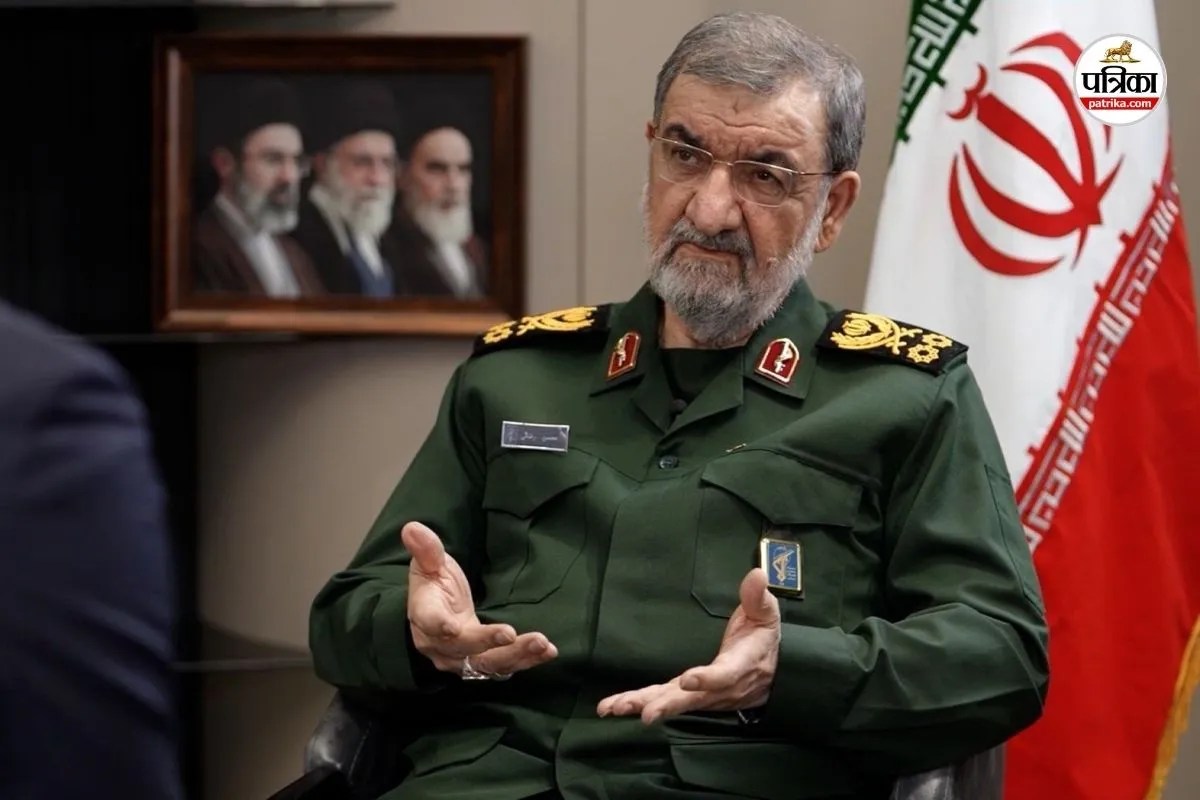
Security forces in Iran recently targeted the Kerman province, specifically the Sirjan district, arresting 31 individuals accused of working as operational elements for foreign intelligence services. But what is actually happening behind these sweeping state announcements, and why do security crackdowns accelerate precisely when domestic unrest peaks?
The Mechanics of Infiltration and Domestic Unrest
Modern espionage doesn't always look like a Hollywood spy thriller involving microfilm or secret handshakes. Most of the time, it relies heavily on local proxy networks, digital recruitment, and exploiting localized grievances.
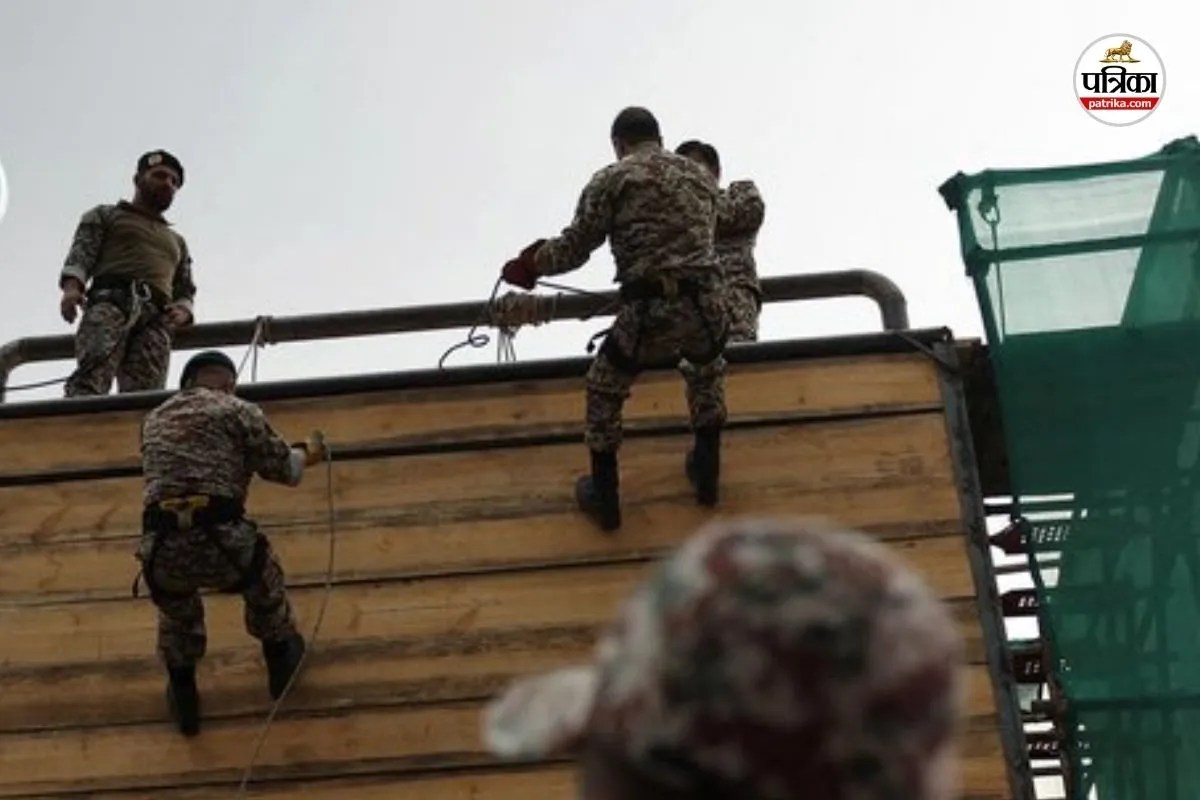
According to reports from Iranian state security organs, the arrested networks weren't just gathering passive intelligence. Officials claim these cells were structured into distinct operational groups tasked with orchestrating civil disobedience, targeting surveillance infrastructure, and manufacturing explosive devices like petrol bombs to escalate street protests.
When economic hardship collides with strict governance, public frustration naturally boils over. However, intelligence apparatuses on all sides view these volatile moments as prime opportunities to steer organic civil discontent toward institutional collapse. State security responses subsequently tighten, creating an endless cycle of suspicion, mass arrests, and heightened paranoia.
How Intelligence Agencies Exploit Local Vulnerabilities
Foreign intelligence operations targeting nations like Iran typically rely on a few specific playbooks:
- Digital Recruitment: Utilizing encrypted messaging applications to target financially distressed youth with promises of fast money in exchange for low-level tasks like graffiti, arson, or filming sensitive sites.
- Infrastructure Disruption: Prioritizing attacks on public monitoring systems and municipal cameras to create blind spots during civil demonstrations.
- Amplifying Narrative Warfare: Bridging local economic complaints with foreign-backed political objectives to fracture trust between citizens and state institutions.
Governments facing external pressure and internal dissent treat any form of domestic opposition through a security lens. Every protest movement immediately gets scrutinized for foreign fingerprints, making it nearly impossible to distinguish between genuine grassroots frustration and engineered destabilization.
The Broader Regional Reality
These arrests in Kerman don't happen in a vacuum. They are part of a much wider shadow war played out across multiple fronts involving the United States, Israel, and various regional actors. As open military confrontations give way to cyber warfare, sabotage, and covert operations, domestic security protocols in Tehran have reached unprecedented levels of paranoia.
When a state perceives an existential threat from external adversaries, internal dissent is treated as an act of war. The resulting crackdowns rarely solve the underlying economic or social pressures driving citizens into the streets. Instead, they drive underground networks deeper into the shadows while tightening the state's grip on information and movement.
Ultimately, the shadow war inside Iran's borders proves that the most devastating battles aren't always fought with missiles and jets. They are fought in local neighborhoods, digital chatrooms, and courtrooms where the line between political dissent and foreign espionage becomes entirely blurred.
Iran Arrests 31 US-Israeli Agents & Gulf Spy After Mossad's "House ...
This video provides a detailed overview of the regional intelligence operations and security claims surrounding Iran's arrests of alleged foreign agents.