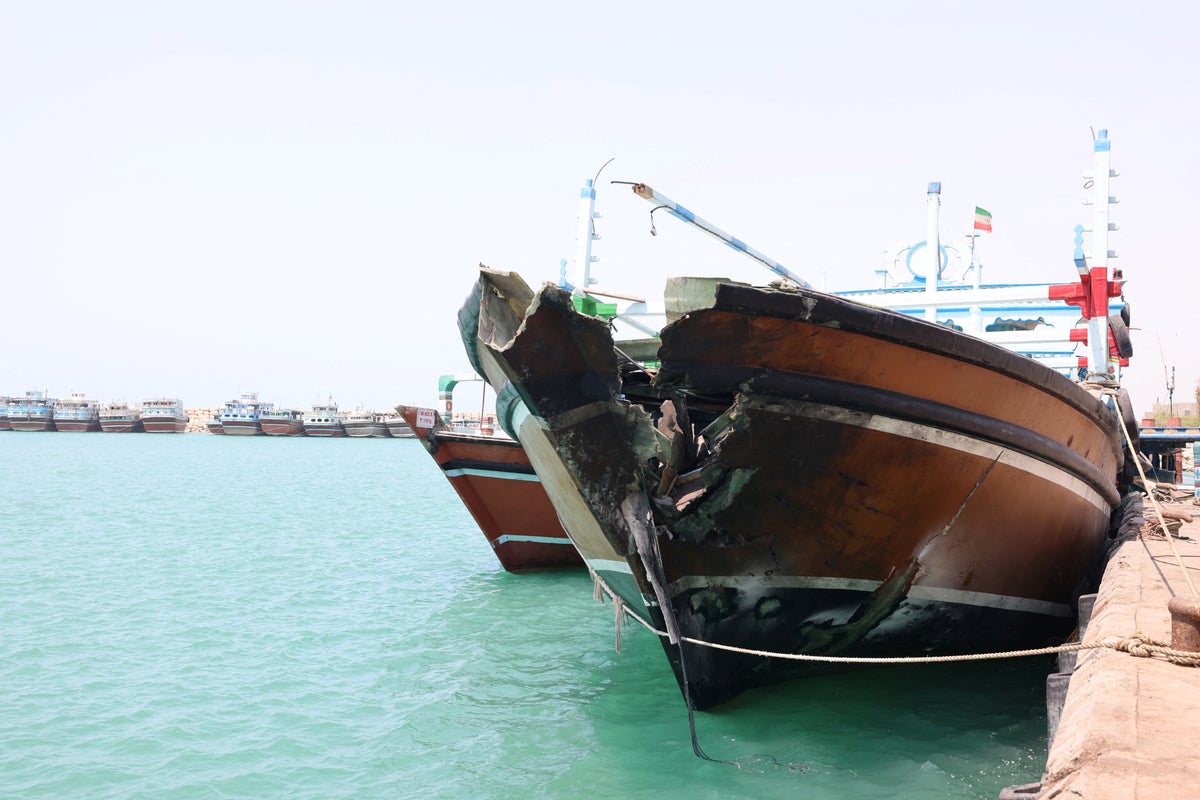
The Strait of Hormuz remains a high-stakes maritime bottleneck where approximately one-fifth of global petroleum supplies typically transit daily during peacetime. Persistent military engagements between the United States and Iran have crippled traffic through this vital artery, with daily commercial transits plunging to historical lows. Inside Iran, structural economic strain has forced Tehran to quietly recalibrate its internal energy subsidies, penalizing heavy domestic fuel consumers as international sanctions and war damages compress state revenues. Energy analysts watching the Persian Gulf note that this localized rationing is merely a symptom of a much deeper fiscal hemorrhage.
Decades of heavy subsidization have made domestic petroleum exceedingly cheap for Iranian citizens, creating an unsustainable fiscal burden compounded by the ongoing conflict. When the maritime corridor constricted, Tehran lost substantial export bandwidth through key terminals like Kharg Island. The subsequent squeeze on national income forced the government to target heavy domestic users with steep pricing hikes, effectively shifting the cost of the wartime economy onto high-consumption motorists and industries. This internal rationing sits at the intersection of military attrition and fiscal survival.
Global commodity markets have responded with violent volatility. Brent crude benchmarks have repeatedly flirted with multi-week highs near ninety-seven dollars per barrel, driven by the chronic risk premium built into every tanker navigating West Asia. Shipping intelligence firms report that commercial operators view the waterway as a combat zone rather than a trade route. Tanker fleets face direct targeting from both sides of the conflict, transforming routine maritime logistics into high-risk military gambits.
The Anatomy of a Maritime Choke Point
Navigational data from tracking platforms show that traffic volumes through the passage have plummeted by more than half compared to pre-war baselines. Insurance premiums for hulls operating in the Persian Gulf have spiked to astronomical proportions, rendering standard commercial calculations obsolete. Shipowners refuse to dispatch vessels without exorbitant hazard pay for crews and sky-high underwriting protection.
The physical geography of the waterway exacerbates these vulnerabilities. At its narrowest point, the shipping lanes span only a few miles wide, forcing deep-draft supertankers into predictable corridors flanked by hostile territory. When state actors begin striking oil tankers under military escort, the psychological threshold for commercial participation collapses entirely.
Consider a hypothetical supertanker hauling two million barrels of crude from a terminal in the northern Gulf. Under normal conditions, the voyage through the passage is routine. Today, that same voyage requires direct coordination with naval commands, electronic countermeasure readiness, and insurance policies that cost millions of dollars per transit. These overhead costs do not vanish; they embed themselves directly into the global price of refined products.
Domestic Fallout and Tehran's Fiscal Trap
Inside Iran, the domestic fuel pricing adjustments reflect an administration running out of fiscal levers. For years, cheap fuel acted as an implicit social contract between the state and the populace. As military expenditures balloon and oil export revenues face intense friction from allied blockades, maintaining universal subsidies became mathematically impossible.
By penalizing high-volume users, the government attempts to curb rampant domestic consumption while preserving baseline allocations for ordinary citizens. Yet this strategy carries severe domestic political risks. Inflation inside the country has eroded purchasing power, and tampering with fuel costs—even for heavy users—threatens to ignite social unrest.
The state finds itself trapped between two opposing forces. Continuing universal subsidies drains the national treasury at a time when war damages require massive capital injections. Scaling back those subsidies triggers immediate economic pain for a population already weathering the collateral consequences of open conflict.
Spillover Effects on Global Refining
The shockwaves originating in the Persian Gulf extend far beyond Middle Eastern ports. Refineries across Asia and Europe, historically reliant on Gulf crudes, scramble for alternative feedstock. Brent and West Texas Intermediate futures react instantly to every headline detailing drone strikes or naval skirmishes, keeping retail prices elevated from American highways to European distribution hubs.
American motorists feel the pinch directly at the pump. National averages for gasoline and diesel have climbed steadily as wholesale markets price in the permanent threat of supply interruptions. Commercial logistics operators face punishing diesel costs, which inevitably translate into higher prices for retail goods shipped across domestic supply chains.
Major financial institutions have repeatedly revised their commodity forecasts upward, abandoning hope for a swift normalization of trade flows. Analysts at leading investment banks point out that even if formal diplomatic breakthroughs occur, the physical damage to regional energy infrastructure and the deep-seated trauma among shipping insurers will take years to unwind. The risk premium is here to stay, locked into the cost structure of global energy for the foreseeable future.
The ongoing disruption has fundamentally altered how multinational corporations view maritime security. Supply chains once optimized for Just-In-Time efficiency now require redundancy, strategic stockpiling, and alternative overland routing where possible. The era of frictionless maritime transit through the world's most critical energy corridor has closed, replaced by a permanent posture of defensive logistics and volatile pricing.