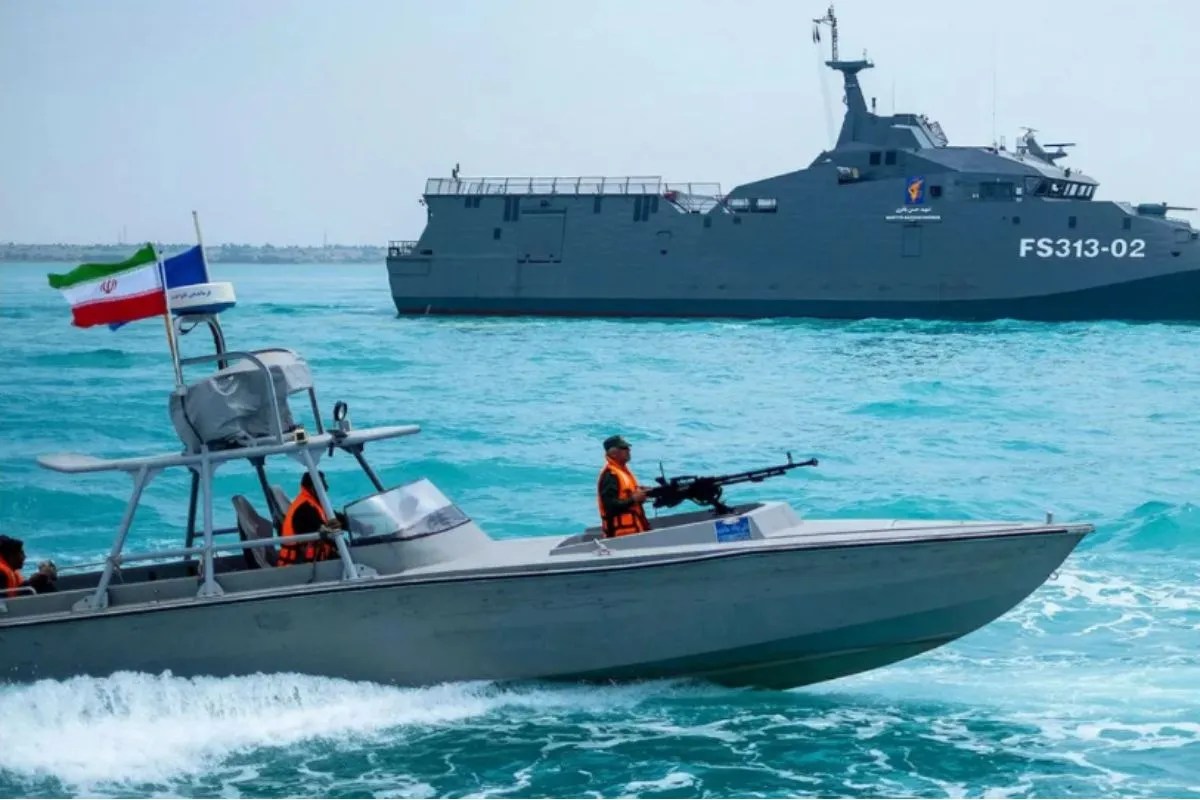
The narrow neck of water separating the Persian Gulf from the Gulf of Oman has once again become the most dangerous maritime choke point on Earth. Within a single twenty-four-hour window, commercial shipping lanes fractured under the weight of sudden explosions. Multiple oil tankers sustained heavy damage from unidentified projectiles and naval mines, transforming a vital global energy artery into an active zone of economic warfare. Standard news reports focus heavily on the immediate shock of the blasts and the official pronouncements from military commands. They miss the structural reality of how modern energy transit has been weaponized.
Global markets rely on this 21-mile-wide passage for roughly a fifth of the world's petroleum and liquefied natural gas. When commercial vessels catch fire in the engine room or strike submerged ordinance, the shockwaves bypass regional boundaries instantly. Insurance premiums for hull and machinery coverage in the region have spiked beyond historical ceilings. Tanker owners face an impossible calculus. Stay docked and lose millions, or transit the strait and gamble with a hull breach that could spill crude across sensitive coastlines.
The Mechanics of Maritime Choke Points
Navigational safety in the region has deteriorated into competing claims of authority. On one side, military escorts provided by external naval coalitions attempt to maintain a semblance of open corridors. On the other side, regional forces assert strict control over designated transit lanes, branding any deviation as an unauthorized breach. This friction turns commercial vessels into collateral damage. When a supertanker carrying millions of barrels of crude is crippled by a sudden explosion, the fallout is immediate:
- Supply Chain Spasms: Refineries in Asia and Europe face sudden interruptions, forcing a scramble for spot-market alternatives.
- Freight Rate Volatility: Charter rates shoot upward as shipowners demand hazard compensation for crews.
- Environmental Vulnerability: Even a partial spill threatens regional desalination plants and marine ecosystems shared by multiple nations.
The operational reality on the water defies clean categorization. While international maritime security agencies classify these incidents as attacks by unknown projectiles, regional military statements explicitly cite naval mines deployed along restricted routes. This divergence in terminology is not accidental. It reflects a deeper information war where every actor frames the narrative to justify military positioning or retaliatory postures.
Beyond the Headlines
Beneath the superficial reports of burning vessels lies a grinding war of economic attrition. Energy markets have learned to price in episodic violence, but the cumulative effect of continuous maritime disruption is corrosive. Inflationary pressures ripple outward from fuel pumps in North America to manufacturing hubs across developing economies. Central banks watch these developments with quiet anxiety, knowing that persistent energy shocks complicate monetary policy in ways that interest rate adjustments cannot fix.
Governments dependent on imported oil talk aggressively about diversification, yet pipeline infrastructure takes years to build and cannot replace the sheer volume carried by modern very large crude carriers. The reliance on this specific maritime bottleneck remains absolute. Every time a projectile strikes a hull or a mine disables a rudder, the fragile architecture of international trade absorbs another micro-fracture.
The situation in the gulf is not a temporary anomaly that will resolve with a single diplomatic agreement. It is the new baseline for maritime commerce in an era of fractured globalization, where the line between civilian logistics and geopolitical confrontation has permanently dissolved.


