Commercial aviation relies on a fragile ecosystem of absolute trust, strict protocols, and dual-command security. When that system fractures at 34,000 feet, the margin between survival and catastrophe shrinks to mere seconds.
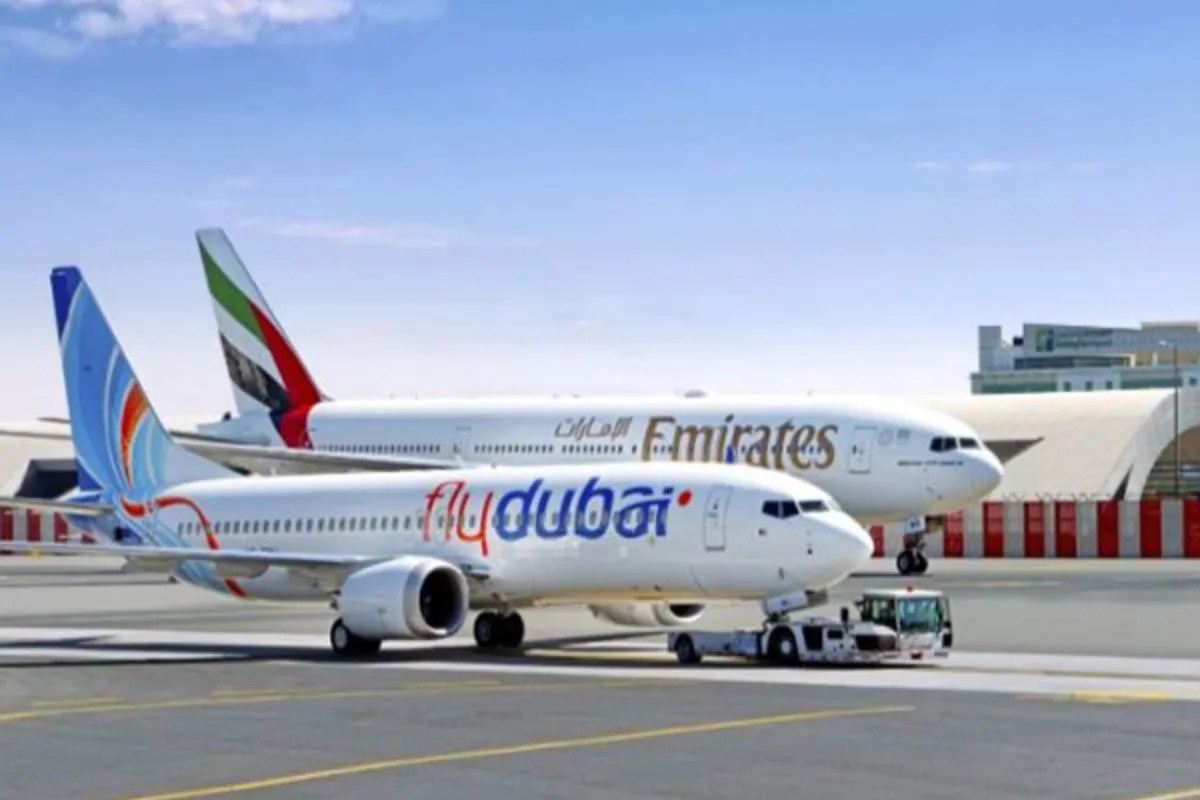
On September 30, 2026, Flydubai Flight 1073 transformed from a standard regional transit into a desperate airborne struggle. Flying a Boeing 737 MAX 8 from Dubai International Airport to Ben Gurion Airport near Tel Aviv, the flight faced an unprecedented internal security crisis when the first officer allegedly launched a violent assault on the captain using a cockpit crash axe.
How the Chaos Unfolded in the Cockpit
The attack began while the aircraft was cruising near the Saudi Arabia-Jordan border. First Officer Hamam al-Hammami targeted Captain Smit Machchhar in a sudden assaultWhen Air Travel Turns into a Nightmare Midair
travel
A routine flight shouldn't feel like a horror movie. Yet, passengers aboard a rerouted flydubai flight faced a terrifying ordeal when unexpected chaos erupted in the cabin, leading to serious allegations against the flight crew.
Air travel relies entirely on trust. You step into a metal tube flying at 30,000 feet, handing absolute control to strangers in the cockpit. When that fragile trust shatters, panic spreads fast.
What Actually Happened on That Flydubai Flight
Incidents involving erratic crew behavior or severe midair emergencies are rare, but they shake public confidence instantly. When a flight gets rerouted, anxiety naturally spikes. Passengers are already dealing with delays, confusion, and fatigue. Add erratic cockpit actions or perceived threats to that mix, and the situation spirals out of control.
Media reports surrounding the flydubai flight highlighted acute passenger distress after the aircraft had to alter its course. Passengers later recounted chaotic moments where communication from the flight deck was minimal or confusing, fueling worst-case fears. Aviation authorities and airline management usually step in immediately to ground crews, launch internal investigations, and review flight data recorders.
The Reality of Commercial Cockpit Security
Modern commercial aviation uses heavy security protocols to prevent unauthorized access or erratic behavior in the cockpit. Since 2001, reinforced cockpit doors, strict entry procedures, and dual-occupancy rules mean that no single pilot is left entirely alone without a backup for long stretches.
However, human factors remain complex. Pilot mental health, fatigue, and sudden medical episodes are subjects of intense scrutiny within the global aviation community. Airlines face mounting pressure to provide better psychological support and stricter monitoring without violating privacy.
When a passenger makes a severe claim about pilot actions during a volatile rerouting, investigators look at several concrete elements:
- Flight data recorder (FDR) and cockpit voice recorder (CVR) logs.
- Air traffic control (ATC) transcripts detailing communication between the ground and the flight deck.
- Eyewitness statements from both cabin crew and multiple passengers to separate actual mechanical or navigational emergencies from subjective panic.
How Airlines Handle Midair Crises
Standard protocol dictates that safety comes first. If a flight must be diverted due to weather, mechanical failure, or passenger disturbance, the captain must coordinate with air traffic control to find the nearest suitable airport.
Communication is often the missing link during these crises. When passengers are left in the dark for too long, their imaginations fill in the gaps. Silence from the flight deck during a turbulent rerouting often breeds suspicion.
Airlines that manage these situations best are transparent from the ground up. They issue prompt updates, provide alternative travel arrangements, and offer psychological support to traumatized passengers upon landing.
What to Do If You Experience Severe In-Flight Incidents
If you ever find yourself in a frightening midair situation involving crew altercations or emergency diversions, keeping a cool head is easier said than done. Still, a few practical steps help protect your rights and well-being:
- Follow crew instructions: Unless the threat clearly originates from the flight deck itself, cabin crew members are your primary lifeline for evacuation and safety procedures.
- Document everything later: Once you land safely, write down a detailed timeline of events while your memory is fresh. Note flight numbers, seat numbers, and names of witnesses.
- File official complaints: Report safety concerns directly to the relevant civil aviation authority, not just the airline customer service desk. Regulatory bodies take formal passenger safety grievances seriously.
Flying remains statistically the safest mode of transport by a wide margin. Yet, high-profile incidents remind everyone that transparency and rigorous pilot oversight are non-negotiable.