Thirty-seven people went to sleep in a security cell in Minna, Niger State, and never woke up. They were young men and children, rounded up during a crackdown on illegal mining operations across the region. Hours later, their families came to drop off breakfast, only to be met by ambulances hauling away corpses.
The incident has triggered a fierce national reckoning over how law enforcement handles suspects, the severe human cost of prison overcrowding, and the systemic failures plaguing state-run detention facilities.
What Happened Inside the Minna Facility
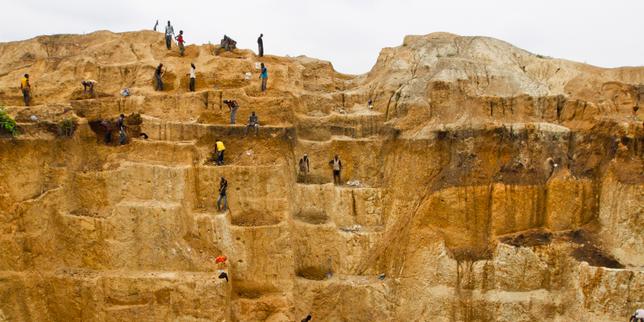
The arrests took place on September 15 and 16, targeting artisanal and illegal mining sites around the M.I. Wushishi and Lukoto areas. Security forces scooped up roughly 150 individuals, packing them tightly into holding cells run by the Nigeria Security and Civil Defence Corps (NSCDC).
Space was tight. Ventilation was virtually nonexistent. Survivors later recounted that cells built for a fraction of that number were crammed with over sixty desperate detainees gasping for air.
As the night wore on, the heat became unbearable. Detainees banged on doors, screamed for help, and begged guards for water or fresh air. Those pleas went unanswered. By dawn on September 17, 37 detainees were dead. Among the dead were minors, including children as young as seven years old, casting a harsh spotlight on the detention of underage suspects.
The Clash of Official Narratives
In the immediate aftermath, accountability became a moving target. Initial official statements from certain authorities pointed toward a sudden disease outbreak, attempting to frame the tragedy as a tragic medical emergency.
Survivors and grieving relatives immediately rejected that explanation. Eyewitness accounts and intelligence reports gathered by journalists and independent observers painted a much darker picture: death by sheer asphyxiation, accelerated by extreme overcrowding, carbon monoxide buildup, and total institutional neglect.
The public backlash was swift and volatile. Protests erupted in Minna, leading to property damage, intervention by police using tear gas, and an overnight curfew imposed by Niger State Governor Mohammed Umaru Bago, who publicly called the incident a tragic loss.
The Findings of the Investigative Panel
To stem public outrage and uncover the truth, the federal government established an independent investigative committee led by the Ministry of Interior. The findings were damning.
The panel concluded that the deaths of the 37 detainees—which included 14 minors—were entirely preventable. The investigation laid the blame squarely on gross institutional negligence, severe overcrowding, and a failure of basic duty of care by jailers.
Action followed the report's release. The federal panel recommended substantial financial compensation for the bereaved families and surviving victims. Accountability measures also hit the chain of command: the Niger State NSCDC Commandant, Suberu Siyaka Aniviye, along with over 20 other officers, were suspended and ordered to face disciplinary panels. Dossiers were forwarded for consideration of criminal prosecution.
Why This Matters for Nigeria's Justice System
This tragedy is not an isolated shock; it echoes historical custodial disasters and exposes structural rot that extends far beyond a single holding cell in Minna.
When law enforcement agencies treat mass arrests as a numbers game, packing vulnerable citizens—including minors drawn into illegal mining by poverty—into suffocating enclosures without basic human rights protections, catastrophes happen. The reliance on sweeping arrests without adequate infrastructure transforms temporary holding facilities into death traps.
Real reform requires more than suspensions and compensatory payouts. It demands rigorous oversight, mandatory tracking of detainees' health, strict adherence to child-protection protocols, and a zero-tolerance policy for custodial negligence. If the lives of these 37 young men and children are to mean anything, the system that let them suffocate in the dark must be permanently overhauled.
Inside the Tragic Deaths of 37 Detainees in Nigerian Custody
This video provides an overview of the investigative findings regarding the deaths of the detainees in custody.