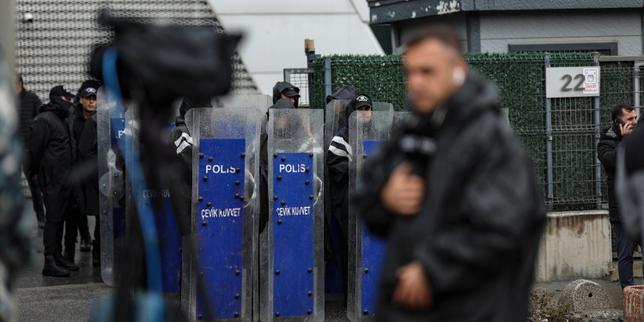
When state power moves against Halk TV, it rarely arrives with tanks outside the studio doors. It shows up in regulatory filings, licensing disputes, financial audits, and ownership transfers that turn an opposition broadcast outlet into an instrument of compliance.
For years, Halk TV functioned as one of the most visible television channels giving voice to critics of the Turkish government and opposition politicians. Control over a broadcaster of that reach matters because television in Turkey still anchors political memory and daily news habits across millions of households, even after digital platforms expanded.
Anyone who has covered media ownership for decades recognizes the pattern. Governments rarely need to invent a single dramatic raid when administrative pressure, credit constraints, and corporate restructuring can hollow out editorial independence from the inside. A takeover of Halk TV represents more than a change on a corporate registry or a shift in talk-show lineups. It tests whether independent broadcast journalism in Turkey can survive when commercial survival and state authority collide.
How Broadcast Control Works in Turkey
Direct censorship makes headlines. Quiet financial and legal strangulation changes balance sheets.
In media markets shaped by tight regulatory oversight and concentrated corporate conglomerates, television channels operate inside a web of dependencies. Broadcast licenses, fines imposed by regulatory bodies, advertising distribution, tax inspections, and access to bank financing all sit within an ecosystem where state alignment carries tangible rewards and dissent carries steep costs. An opposition network does not merely fight ideological battles on air; it fights every month to meet payroll, pay technical vendors, and keep its signal intact.
Consider a hypothetical example to see how commercial vulnerability turns into political leverage. Imagine a mid-sized broadcaster that relies on bank credit to upgrade studio equipment and faces a sudden dispute over compliance fines alongside a slowdown in corporate ad spending. Even without a single script rewrite ordered from above, the owners face an agonizing choice between shrinking newsrooms, taking on distressed capital, or selling to a buyer whose interests align with the authorities. In real-world media environments across Turkey, similar pressures have repeatedly reshaped ownership structures over the past two decades.
Television holds a distinct place in this architecture. Print newspapers lose circulation and websites compete with endless feeds, yet broadcast television still shapes shared national conversation during elections, economic shocks, and street protests. When Halk TV comes under state-aligned or pro-government control, viewers who tuned in for alternative commentary lose a primary window into dissenting perspectives.
The Myth of Overnight Silencing
Observers outside the newsroom often imagine media capture as a light switch flipping from free to state-run overnight. Veteran reporters know it looks much messier.
When an outlet shifts hands or falls under intense pressure, the early days rarely bring an immediate broadcast of pure state propaganda. Doing so would alienate the existing audience overnight and destroy whatever commercial value the channel still holds. Instead, control usually creeps in through incremental adjustments.
Certain guests stop receiving invitations. Investigatory segments on procurement, municipal politics, or judicial disputes get delayed for "legal review." Anchors who built reputations for sharp questioning find themselves moved to quieter slots or pushed out through contract disputes. Meanwhile, programming stays familiar enough on the surface that casual viewers may not notice the shift until months later, when the sharpest edges of criticism have been sanded down.
There is a gray area here that outside commentators sometimes miss. Not every editorial change inside a pressured newsroom stems from a direct phone call from a minister or a regulatory official. Self-censorship does much of the heavy lifting. When producers and editors know that one broadcast could trigger heavy fines, license jeopardy, or ruinous legal battles for the company, caution becomes an everyday reflex.
Why Opposition Audiences Don't Simply Vanish
Taking over a television channel is one thing. Capturing the trust of its viewers is another.
Audiences that gravitate toward opposition media in polarized environments are rarely passive sponges. Many viewers developed habits of reading between the lines, cross-checking claims, and treating legacy broadcasters with skepticism long before any ownership shakeup occurred. If Halk TV loses its perceived editorial independence, a large share of its core audience will likely treat the channel as compromised rather than accept its new framing at face value.
Still, viewer skepticism does not erase the strategic value of the takeover. Losing a trusted channel fragments the opposition media ecosystem. Viewers scatter across YouTube channels, independent digital outlets, social media accounts, and smaller platforms, each reaching a narrower slice of the public.
Fragmentation weakens collective reach. A single prominent television network can draw large, simultaneous audiences during breaking events and prime-time debates in a way scattered digital clips struggle to match. Even if a newly controlled Halk TV sheds loyalists, depriving the opposition of a major television megaphone still alters the balance of visibility in Turkish politics.
Money, Debt, and the Real Leverage Points
Politics grabs the headlines, yet balance sheets decide who stays standing.
Running a national television network is expensive. Studios, satellite and cable distribution, production crews, legal counsel, and reporters require steady cash flow regardless of ratings spikes. In economies marked by inflation, shifting interest rates, and tight liquidity, media companies without deep reserves live on thin margins.
When a broadcaster faces mounting costs and shrinking ad revenue from major corporations—many of which hold government contracts or depend on state-backed credit—financial distress becomes a Trojan horse. A buyer or backer with easy access to capital can step in as a rescuer, framing the move as saving jobs and stabilizing the business. That narrative makes resistance harder, especially for staff worried about unpaid wages and job security.
Overlooked factors often sit right inside these transactions. Minority stakes, holding companies, debt restructuring agreements, and equipment leases can mask where real influence rests. A formal pledge of editorial autonomy means very little if the people controlling the purse strings and legal exposure have every incentive to keep coverage within safe boundaries.
What This Shift Means for Journalism and Voters
Every media takeover leaves a mark on both sides of the camera.
For journalists in Turkey, each high-profile shift narrows the room for conventional mainstream reporting. Reporters who want to keep covering sensitive stories face tough choices: accept tighter boundaries inside established outlets, move to smaller independent ventures with fragile funding, or leave the profession altogether. Experienced editors and producers take institutional memory with them when they go.
For voters, the stakes are equally practical. Informed citizenship depends on access to competing accounts of economic policy, local governance, corruption allegations, and national security. When a major opposition channel comes under the sway of the ruling camp, citizens have fewer places to hear tough questions asked directly to those in power.
Critics of the government argue that state pressure targets outlets that cross legal or ethical lines, while supporters of ruling policies often contend that mainstream opposition media promotes partisan narratives rather than balanced reporting. Yet the broader trend in Turkish media over the years points toward concentration of influence rather than open competition among independent voices.
The Fragility of Digital Workarounds
Whenever television closes down, people point to the internet as an automatic safety valve. That view is too neat.
Digital platforms have indeed given independent journalists and commentators vital lifelines in Turkey. Video broadcasts, podcasts, and social feeds allow reporters to reach engaged audiences without needing a traditional broadcast license. During major political moments, online streams can surge quickly.
Yet digital media comes with real ceilings. Older demographics, rural communities, and lower-income households still rely heavily on television as their primary source of news. Algorithms can amplify outrage while burying nuanced reporting, and online creators remain vulnerable to throttling, account restrictions, bandwidth slowdowns, and legal pressure. Digital channels can cushion the blow of a television takeover, but they do not automatically replace a flagship broadcaster's reach.
Watching the Next Moves Inside the Newsroom
The real test of a takeover at Halk TV will not be found in press releases or political statements. It will show up in daily programming choices over the coming weeks and months.
Watch who hosts the evening debates and who gets cut from the guest list. Watch how the channel covers municipal administrations run by the opposition, economic hardship at the household level, and court cases involving political figures or journalists. Those concrete editorial decisions tell the truth far faster than any official assurance of independence.
Track the ownership filings, board appointments, and financial disclosures closely, and compare the channel's live coverage of the next major political or economic flashpoint against its past reporting to see where the red lines now sit.