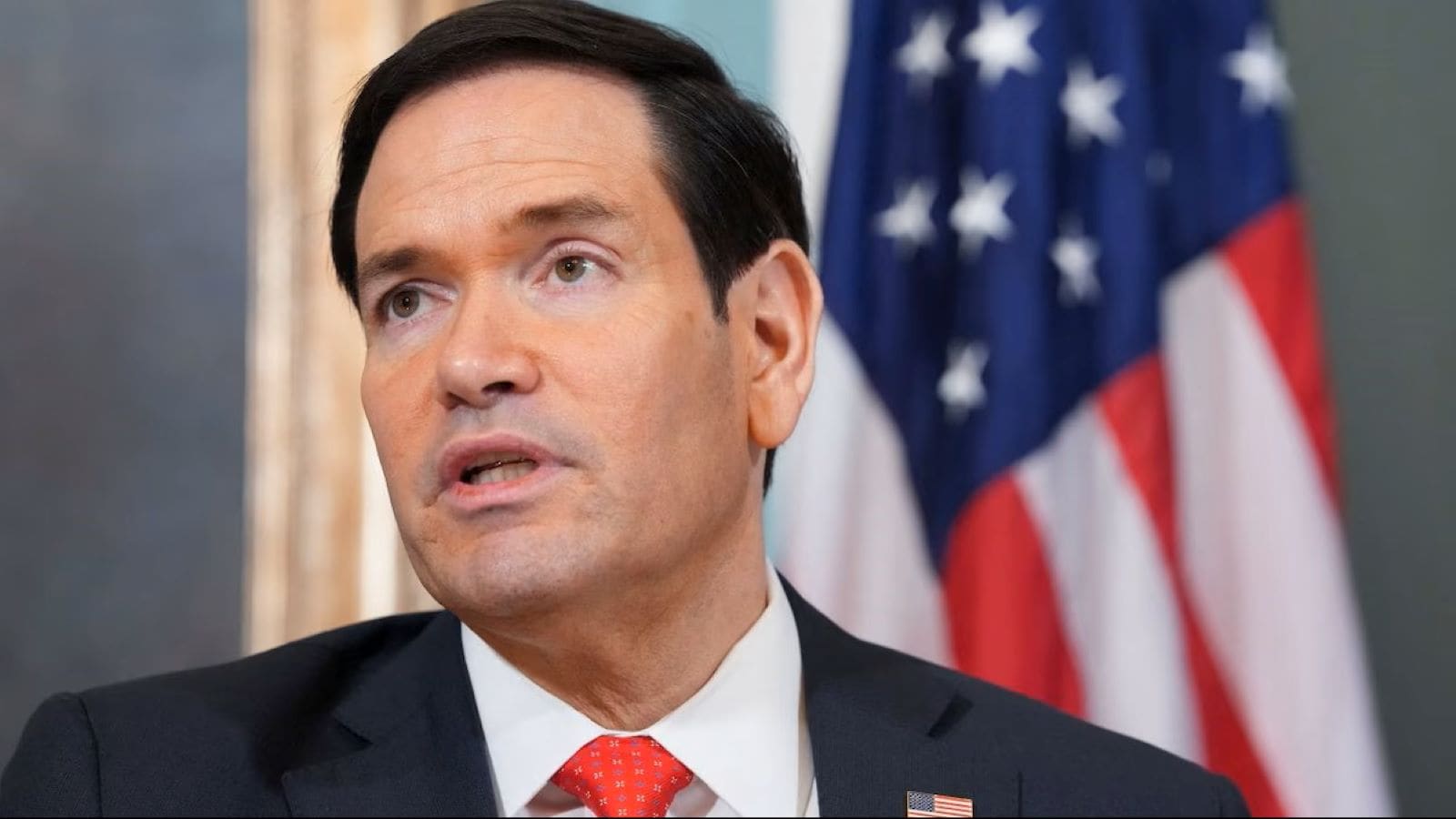
U.S. Secretary of State Marco Rubio insists a bilateral trade agreement with India is weeks, not months, away, claiming roughly 99 percent of the work is done. Do not pop the champagne yet. Trade diplomats who have spent decades watching grand diplomatic promises evaporate in the final stretch know better than to confuse diplomatic optimism with a signed treaty.
Behind the cheerful soundbites from Washington and New Delhi sits a messy reality. Negotiations that kicked off in early 2025—and produced an interim framework in February 2026—ran straight into a constitutional buzzsaw when the U.S. Supreme Court struck down President Donald Trump’s emergency reciprocal tariffs on February 20. That ruling pulled the floor out from under the tariff math both capitals had been using.
By mid-November 2026, Indian Commerce Secretary Rajesh Agrawal told reporters that while negotiations on the first tranche of the deal were nearly finished, New Delhi would not put pen to paper until Washington establishes its new tariff structure and untangles ongoing Section 301 investigations. In other words, the text might be close, but the baseline numbers keep shifting.
Why Ninety Nine Percent Done Still Means Stalled
In trade negotiations, the last one percent is rarely a formality. It is usually where sovereignty, domestic politics, and legal definitions collide.
Rubio has described the remaining hurdles as language-related—questions over what specific words and phrases actually mean on paper. That sounds harmless until you translate it into trade law. If Washington and New Delhi disagree on how rules of origin are defined, or what counts as a non-tariff barrier in agriculture, a handshake today turns into a trade dispute six months after signing.
Consider a hypothetical example to see how a single clause can trip up a deal. Suppose India agrees to lower duties on a category of processed agricultural goods, while Washington grants preferential access to certain industrial imports. If the wording leaves room for one side to reclassify products or slap on administrative testing requirements later, the commercial value of the concession vanishes overnight.
Neither government can afford to sign an agreement that looks like a giveaway back home. In India, agricultural concessions remain political dynamite because millions of small farmers and domestic producers depend on protection from sudden import surges. Even when negotiators strike a compromise on paper, turning that compromise into binding legal text without triggering domestic backlash takes time.
Meanwhile, the February 2026 interim framework had outlined a reciprocal tariff rate of 18 percent on originating Indian goods under an executive order that was subsequently overturned at the Supreme Court. Once that tariff architecture was invalidated, New Delhi’s calculus changed. Indian officials want to know what duties their exporters will face—and what competitive standing they will have against rival Asian exporters—before locking in commitments.
The Tariff Whiplash Behind the Curtain
Anyone tracking U.S.-India commerce over the past two years has watched the goalposts move repeatedly. Bilateral trade reached roughly $149.4 billion last year, a substantial volume that still leaves vast room for growth given the size of both economies. Yet commercial momentum has been repeatedly tested by tariff threats, sanctions waivers, and shifting legal authority.
Last year, tensions spiked sharply when Washington imposed 50 percent tariffs on Indian goods over New Delhi’s continued purchases of Russian oil. That dispute highlighted a central tension in the relationship. What Washington views as geopolitical leverage or sanctions enforcement, New Delhi treats as core energy security and national autonomy.
Rubio has pushed back on the idea that tariffs were meant to punish India, framing them instead around broader foreign policy goals tied to the Russia-Ukraine war while pointing out that the administration issued waivers to avoid severe damage to bilateral ties. He also acknowledged a basic truth that trade economists repeat until they are blue in the face: geography constrains energy choices, especially for a fast-growing economy importing vast amounts of crude and refined fuel.
Still, energy waivers do not erase tariff uncertainty. When the U.S. tariff regime is being rebuilt through alternative legal authorities and Section 301 probes, businesses on both sides operate in a fog.
- Exporters cannot price long-term contracts when duty rates could shift depending on how a new tariff rule is drafted or challenged in court.
- Importers face port and customs friction when trade rules are in flux, risking delays and stalled shipments.
- Negotiators lose bargaining certainty when the baseline tariff rate that supposedly anchors a deal is still being reconstructed.
Commerce Secretary Agrawal made that point plain in mid-November. You cannot finalize the commercial balance of a trade pact if you do not yet know the exact tariff architecture that will govern trade once the ink dries.
Goods First, Services Later
Another detail often glossed over in upbeat headlines is the narrow scope of what is actually near completion. The first tranche of the agreement focuses on goods. Services—an area where India has massive global competitiveness and where cross-border data and digital rules matter intensely—are slated for a later stage.
That sequencing makes practical sense. Goods tariffs and customs rules are concrete, even when contentious. Services, digital trade, and mobility touch deeply entrenched regulatory regimes and domestic political sensitivities in both countries.
In the February 2026 joint statement, both sides pointed toward expanding trade in technology hardware, including Graphics Processing Units (GPUs) and data center equipment, alongside supply chain alignment and tighter rules of origin to keep benefits concentrated between the U.S. and India rather than third-party transshippers. Those are high-value areas. Yet hardware supply chains and export controls come with strict security reviews that move at their own pace, regardless of diplomatic timetables.
And let’s be honest about what a "first tranche" on goods actually achieves. Even if signed in December, as New Delhi’s Chief Economic Adviser V. Anantha Nageswaran has suggested could happen if the pieces align, a phase-one goods pact does not magically erase decades of friction over farm subsidies, intellectual property, regulatory standards, or visa rules.
What Veterans Watch When Politicians Talk Weeks
Experienced trade watchers have seen dozens of "imminent" breakthroughs turn into multi-month extensions. When senior officials say a deal is weeks away, they are usually signaling political intent rather than a finished legal product.
There are three concrete signals that separate real progress from diplomatic theater:
- Clear tariff schedules replacing placeholders. Watch for published duty rates and legal authority citations that survive scrutiny after the Supreme Court’s February ruling.
- Settled rules of origin. Look for strict, unambiguous criteria on how much value must be created in India or the U.S. to qualify for lower duties.
- Resolved Section 301 tracks. Pay attention to whether ongoing U.S. trade investigations are closed, suspended, or folded into the agreement before signing.
If those pieces lock into place before year-end, a December signing is plausible. If Washington’s new tariff rules and Section 301 processes drag into 2027, the text may sit in legal drafting while businesses keep waiting.
The Real Stakes for Both Capitals
Why push so hard for a deal at all if the sticking points are this stubborn? Because the alternative is worse for both sides.
A broader escalation in global trade conflicts—or a bruising U.S.-China trade clash—spills over onto every major trading nation. For Washington, an economically aligned India offers a vital counterweight in Asia and a growing market for U.S. industrial, energy, and technology exports. For New Delhi, predictable access to the American market and technology inputs supports its push to scale manufacturing and hit ambitious export goals.
Yet good strategic intentions cannot substitute for clean legal drafting and predictable tariff math. Until Washington settles its post-ruling tariff architecture and both sides nail down exact definitions on the hardest line items, "weeks away" remains a hopeful forecast, not a done deal.
Watch the tariff rules and legal text, not the podium speeches, to know when the deal is actually real.
US-India trade deal 'weeks away' says Marco Rubio
This video adds helpful context on how commentators and correspondents frame the urgency and stakes of the U.S.-India trade negotiations around Rubio's remarks.