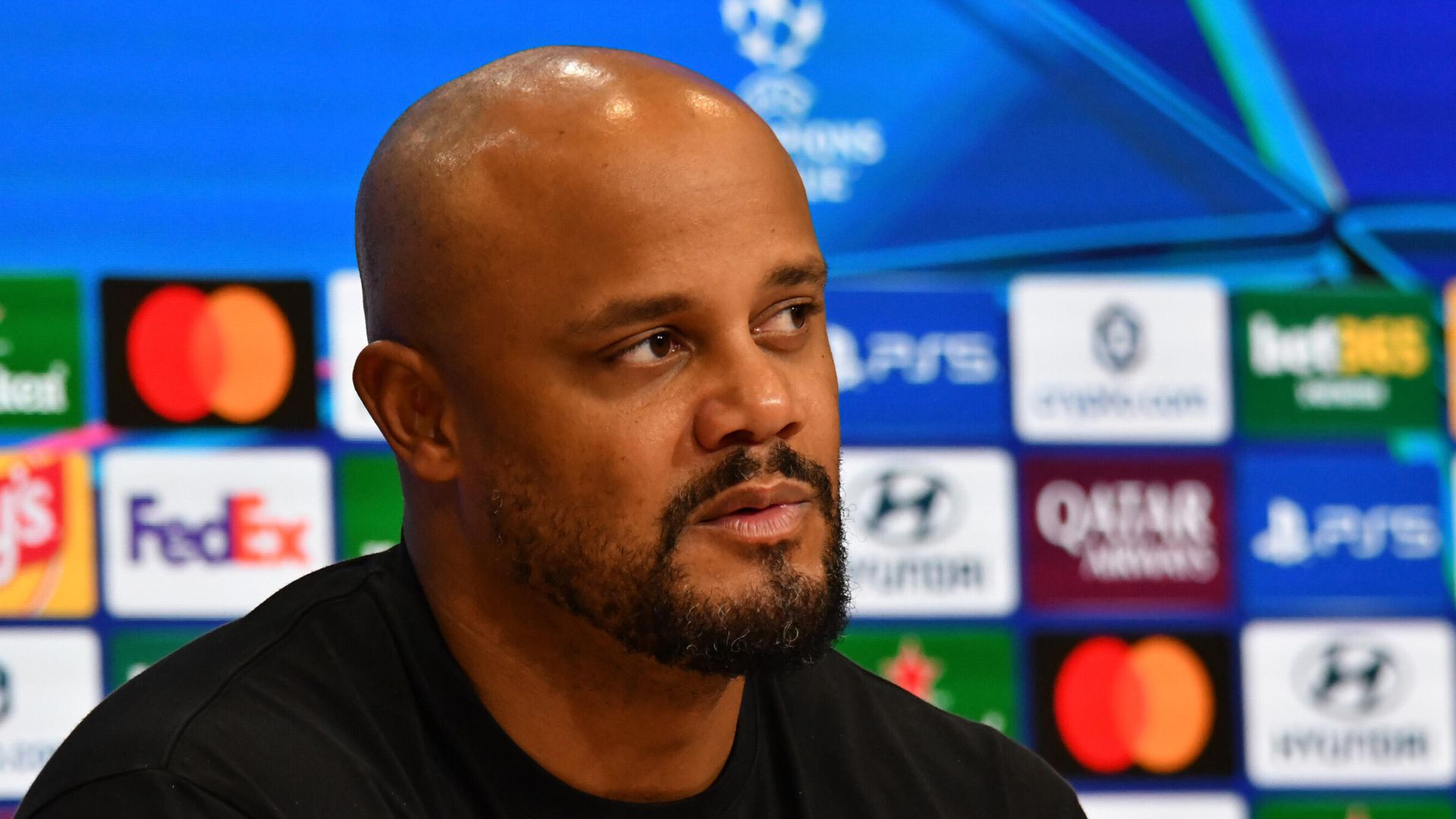
When Bayern Munich coach Vincent Kompany was taken to a hospital after collapsing at training, the headlines wrote themselves in shorthand. A sudden medical scare on the grass at Säbener Straße. A quick ambulance dash. A wave of concern across European football. Yet treating a collapse on a training pitch as an isolated freak accident misses the real story beneath the turf. Across modern elite football, the physical and psychological toll on head coaches has quietly reached a breaking point, and Kompany's hospital trip exposes a pressure cooker that clubs prefer to hide behind press releases and tactical chatter.
I have covered European football boardrooms, touchlines, and training grounds for more than twenty years. You learn quickly that when a manager goes down, the institution reacts in two stages. First comes genuine human worry from players and staff who see a colleague hit the deck. Second comes institutional self-protection, where executives scramble to contain rumors, shield commercial partners, and keep the transfer and fixture machinery moving without a hitch. You might also find this connected story interesting: Inside the Kompany Hospital Scare Nobody Is Explaining.
What Happens When a Manager Collapses at Training
A collapse on a training ground is rarely a neat, cinematic moment. Usually it starts with something small that looks ordinary to tired eyes. A missed step during a pressing drill. A hand rubbing the back of the neck. A sudden dip in posture beside a portable goal while assistant coaches bark instructions at players chasing a loose ball.
By the time medical staff move in and hospital transport is arranged, the rumor mill in Munich or any other major football capital is already spinning faster than the GPS trackers strapped to the squad. Players stand frozen near the halfway line. Kit men gather cones with stiff faces. Within hours, fragments of information leak to local reporters, turning a private medical emergency into a public spectacle scrutinized by millions of supporters. As reported in detailed coverage by FOX Sports, the effects are worth noting.
For Vincent Kompany, stepping into the Bayern Munich dugout already meant accepting a job where every training session feels like a dress rehearsal for a Champions League knockout tie. Bayern is not a patient club. It is a trophy factory with a relentless internal media ecosystem, demanding dressing-room personalities, and boardroom expectations that treat domestic titles as baseline rent rather than a triumph.
The Hidden Load on Modern Football Managers
Fans tend to measure workload by ninety-minute matches plus stoppage time. That is a rookie mistake. A modern Bayern Munich coach works in a twenty-four-hour cognitive grind that has very little to do with kicking a ball.
Consider what sits on a top manager's desk before breakfast. There are tactical reviews of pressing traps and rest-defense spacing. There are sports science briefings on muscle fatigue, sleep scores, and injury risk for multi-million-euro assets. There are squad politics involving world-class internationals who expect minutes every weekend and whispers in the press if they do not get them.
And then there is the sheer volume of travel and public exposure. Flights, hotels, press conferences, sponsor obligations, and constant second-guessing from pundits who dissect every substitution with the benefit of slow-motion replays. Even former center-backs who spent their playing careers reading danger and absorbing contact find that sitting or standing on the touchline carries a completely different kind of strain.
A player can be substituted off at sixty minutes when the legs go heavy. A head coach stays on the pitch for the entire season, absorbing every result and every crisis without a sub coming off the bench.
To understand how strain compounds over time, consider a hypothetical example involving a mid-season fixture congestion stretch. Suppose a top club plays every three days across league, cup, and European competition, while dealing with two key defenders out injured and a slump in set-piece efficiency. Even if the manager sleeps seven hours a night, their nervous system stays locked in a low-grade threat response for weeks. Add a viral illness, dehydration, an underlying cardiovascular issue, or plain accumulated exhaustion, and the body sometimes pulls the emergency brake at the worst possible moment.
Why Clubs Struggle With Transparency Around Health
Whenever a high-profile figure like Vincent Kompany is taken to hospital, supporters immediately ask two questions. What actually happened, and how long until they are back? What they usually get at first is carefully worded caution.
Clubs walk a tightrope between public accountability and medical privacy. Under German and European norms, detailed health records belong to the individual, not the employer or the press corps. Revealing too much too soon can violate privacy rights or lock the club into an inaccurate timeline if test results take longer than expected.
At the same time, vague updates breed suspicion. When an official statement uses careful phrasing about precautionary checks or recovery, cynical observers wonder if the club is softening bad news to protect share value, season-ticket renewals, or dressing-room morale. Over twenty years on the beat, I have seen both extremes. Some clubs overshare early and look foolish when recovery drags on. Others go silent and spark wild speculation that makes the situation worse.
The Counter-Argument About Pressure and Resilience
Not everyone agrees that modern coaching is uniquely punishing compared to earlier eras. There is a fair counter-argument worth taking seriously. Managers in the 1970s, 1980s, and 1990s often worked without large sports science departments, nutritionists, recovery specialists, or performance analysts sharing the load. Many smoked heavily, drank too much after matches, and held second jobs or side businesses while surviving brutal touchline abuse.
Those older managers faced real dangers too. Stress-related heart trouble, ulcers, and early burnout were common in football long before social media existed.
The difference today is not that pressure was invented this decade. The difference is inescapable visibility and industrialized speed. A bad training week used to stay on the training ground unless a local beat writer happened to be watching over the fence. Today every drill, every facial expression, and every medical incident is analyzed across clips, podcasts, and forums within minutes. Recovery time between crises has shrunk almost to zero.
What This Means for Bayern Munich and the Dugout
For Bayern Munich, a health scare involving the head coach disrupts the rhythm of the entire operation. Training sessions lose their sharpest edge when the person setting the tone is in a hospital bed or under doctor's orders to slow down. Assistant coaches step up to run drills, and sporting directors field quiet inquiries about contingency plans even when everyone hopes for a swift return.
There is also a harder question for the wider game. Football talks endlessly about player welfare—fixture congestion, international breaks, hamstring loads, and concussion protocols. Yet coach welfare rarely gets the same structural care. Managers are expected to act like iron men until the exact moment their bodies force a stop.
When Vincent Kompany was taken to hospital after collapsing at training, it served as a stark reminder that elite athletics are built on human biology, not club crests. No tactical system, pressing trigger, or boardroom statement can override a body hitting its limit.
Practical Lessons From a Sideline Scare
Clubs that want to protect both their results and their people have plenty of room to improve without turning dugouts into clinics. None of these steps are flashy, and none guarantee immunity from sudden illness, but each addresses a real blind spot in how football operates.
- Enforce real off-duty windows during international breaks and mid-season lulls so senior coaches actually disconnect from match footage and phone calls.
- Include senior coaching staff in proactive health screenings, rather than treating medical checks as something reserved almost exclusively for contracted players.
- Clarify chain-of-command protocols on the training pitch and in the dugout so medical emergencies are handled swiftly without confusion or delayed care.
- Keep public medical updates plain and honest once the individual consents to share facts, avoiding dramatic spin or cagey evasiveness that fuels unnecessary panic.
At the end of the day, football will keep moving at breakneck speed, because broadcasters, sponsors, and supporters demand constant action. Whether the game learns to treat the person in the tracksuit with the same care it gives its star forwards remains an open test every time someone hits the turf and does not get back up right away.



