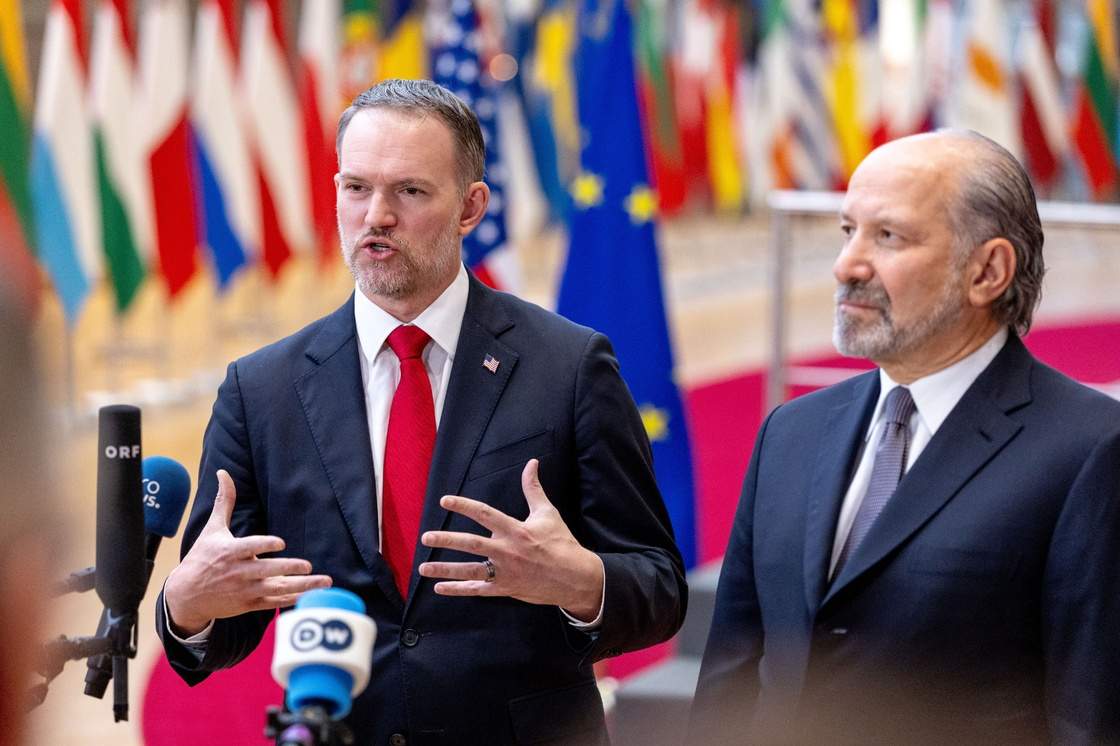
Canada-U.S. Trade Minister Dominic LeBlanc is burning through terminal hours in Washington, holding emergency sessions with United States Trade Representative Jamieson Greer as a devastating 50 percent tariff deadline looms over cross-border commerce. With levies targeting everything from cement to hockey sticks scheduled to trigger on August 19, Ottawa's negotiating team faces an uncompromising White House. The core conflict centers on long-standing irritants including Canada's supply-managed dairy sector, provincial liquor boycotts, and vehicle quotas. Yet behind the closed-door diplomacy lies a far more structural economic collision that standard trade mediation fails to capture.
This standoff is not a routine diplomatic disagreement. It is a systematic dismantling of the post-NAFTA consensus designed to test the limits of bilateral economic integration. If you liked this article, you might want to check out: this related article.
The Anatomy of a Forced Ultimatum
When President Donald Trump signed executive orders invoking Section 338 of the Tariff Act of 1930, the administration bypassed the standard dispute mechanisms built into the Canada-U.S.-Mexico Agreement (CUSMA). These proposed duties carry zero exemptions for goods that otherwise comply with continental trade rules.
For Canadian industries, the mechanics are punishing. Consider a hypothetical tier-one auto supplier shipping transmission components across the Detroit River. Under a 50 percent punitive levy, margin structures vanish within hours. Production lines in Ontario and Michigan, engineered over decades to function as a single synchronized organism, face immediate friction. For another angle on this event, see the latest update from The Motley Fool.
Washington's demands are explicit. American trade officials want immediate, unconditional rollbacks of provincial restrictions on U.S. alcohol sales, structural access to Canada's dairy market, and the dismantling of federal procurement preferences. Ottawa, meanwhile, is attempting to negotiate a comprehensive framework that addresses existing Section 232 duties on steel, aluminum, and lumber.
The two sides remain starkly misaligned.
The Provincial Fracture
Federal-provincial friction complicates Canada's defensive posture. Following U.S. tariff maneuvers initiated in early 2025, various provincial governments pulled American alcoholic beverages from state-run distribution shelves in retaliation. While jurisdictions like Alberta and Saskatchewan reversed course to appease trade channels, Ontario and other provinces maintained hardline stances before signaling conditional willingness to compromise.
This decentralized governance structure plays directly into the strategy of American negotiators. U.S. officials recognize that maintaining pressure on specific provincial pain points fractures a united Canadian front.
Industry leaders are sounding alarms. Manufacturing associations across the industrial heartland report that corporate planning is paralyzed. Capital expenditure is freezing. Supply chain managers are hoarding inventory or prepositioning warehouses south of the border just to hedge against Wednesday morning chaos.
The Illusion of Rapid Resolution
Public statements from ministerial briefings emphasize constructive dialogues and professional endurance. LeBlanc told reporters that negotiators will hold as many meetings as necessary to secure a path forward. Behind the veneer of diplomatic optimism, however, insiders acknowledge that a comprehensive text may not materialize before the deadline.
The U.S. side prefers a transactional, piecemeal approach. They want immediate concessions on visible irritants like liquor and dairy, offering little structural relief on automotive or lumber exports in return. Accepting such terms would hand Washington a unilateral victory while leaving Canadian exporters vulnerable to future arbitrary enforcement.
Conversely, standing firm risks triggering an economic shockwave that could force heavy manufacturing into survival mode. Trade advisory committees are already drafting retaliatory frameworks, preparing for an escalation that neither economy genuinely needs.
The clock ticks down through its final hours in Washington boardrooms. Minister LeBlanc and chief negotiator Janice Charette continue trading text revisions with Greer and Commerce Secretary Howard Lutnick, knowing that the architecture of continental trade is shifting permanently beneath their feet.