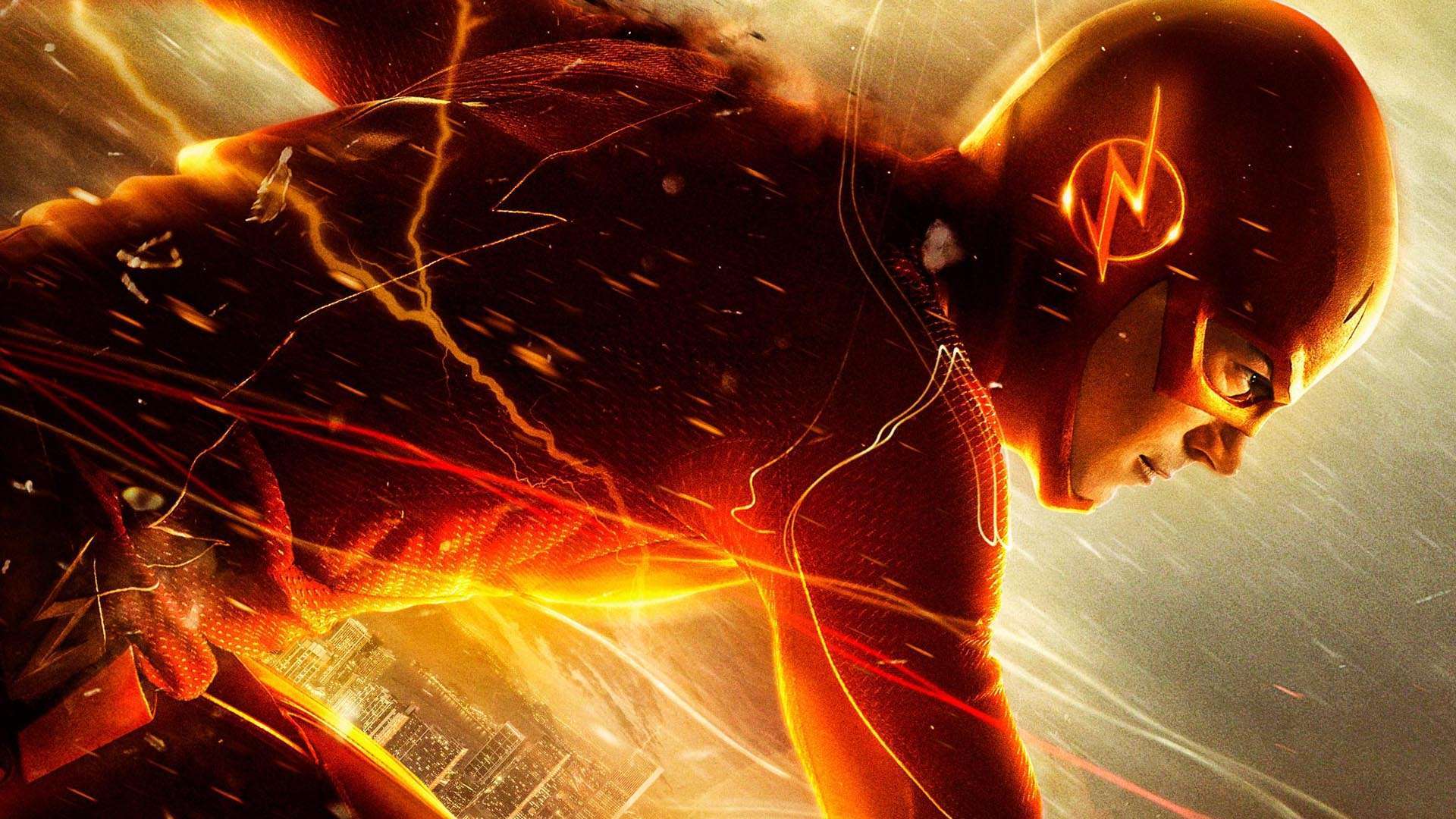
The Wildlife Photographer of the Year 2026 winners were unveiled in October 2026 by London's Natural History Museum, with Italian photographer Federico Veronesi taking the grand title for his monochrome image The Aftermath, showing a female elephant carrying a dead calf in a dry Namibian riverbed.
Look past the press releases and glossy gallery slideshows, though, and a sharp tension defines the 2026 awards. Standard coverage treats winning entries like museum trophies hung on a wall to be admired in quiet awe. Anyone who has spent twenty years covering conservation beat stories, field expeditions, and photo competitions knows better. An award-winning photograph is not a neutral window into nature. It is an edited, framed, and heavily negotiated artifact shaped by human access, equipment budgets, ethical rules, and ecological distress.
When a camera captures an animal carrying a deceased calf across parched ground, viewers see grief and majesty. A seasoned field reporter also sees heat, scarcity, long hours tracking spoor, and the quiet question of whether the photographer's presence added even a fraction of stress to an already fragile moment. Celebrating Wildlife Photographer of the Year 2026 means looking honestly at how these images get made, what stories they elevate, and what realities slip just outside the frame.
What The Aftermath Reveals About Grief and Spectacle
Federico Veronesi's grand prize winner The Aftermath anchors the Wildlife Photographer of the Year 2026 showcase for good reason. Tracking elephants along a dry riverbed in Namibia, Veronesi followed drag marks in the sand until he encountered a female carrying a dead calf with its leg wedged between tusk and trunk. Biologists have documented behaviors around death among African and Asian elephants—vocalizing, guarding remains, touching bones, and carrying deceased calves—yet witnessing that behavior unfold is rare, and capturing it cleanly is rarer still.
Monochrome strips away distractions. Without warm sunset tones or lush green grass to soften the scene, the viewer is left with dust, weight, muscle, and stillness.
Still, there is a trap in how audiences consume sorrowful wildlife images. We love tragic beauty when it feels poetic. We can sit in a warm room, stare at an elephant bearing a heavy loss in monochrome, feel a surge of empathy, and walk away feeling moved without confronting the broader pressures squeezing arid ecosystems across southern Africa. Grief in the wild is not a theatrical performance staged for human reflection. It is a biological response in a harsh environment where every calorie and drop of water matters.
Veronesi's photograph earns its top billing because it resists cheap sentimentality. It holds the weight of the moment without turning pain into a neat moral fable.
Engineered Borders and Vanishing Water in the Frame
Several standout Wildlife Photographer of the Year 2026 winners push past classic animal portraits to show human fingerprints etched directly onto habitats. Alex Visbal's The Great Divide, winner in Wetlands: The Bigger Picture, captures how a single engineered boundary reshapes a wetland system in Utah. One side shifts toward vivid pink tones driven by salt-tolerant microbes thriving where fresh water has been cut off, while upstream diversions, industrial demand, and climate pressures strain the broader lake ecology.
Lines on a map look abstract until you see them slicing through water and mud. A straight artificial edge cutting across an organic landscape is one of the clearest visual shorthand motifs in modern environmental journalism. It shows cause and effect without needing a paragraph of jargon.
Alex Lindbloom's Night-Time Catch, winner in Oceans: The Bigger Picture, takes another angle on human-wildlife overlap off Papua. Working around dawn near a bagan—a mobile net-fishing platform—and relying on the bright lights of the fishing structure when early light was still too dim for his drone camera, Lindbloom documented a whale shark investigating the catch.
Images made around working fishing gear remind us that marine life rarely lives in pristine isolation; it navigates industrial and artisanal economies every night.
That dynamic complicates easy slogans. A fishing platform is a livelihood for human crews, not a cartoon villain. A whale shark drawn toward lights and fish is following basic survival instincts. Photographs like Night-Time Catch matter because they refuse flat villains and flat heroes, showing instead a crowded ocean where human labor and wild movement collide.
Technique, Patience, and the Ethics of Looking
Glance across the Wildlife Photographer of the Year 2026 category winners and you see a wide spectrum of craft and restraint. Agorastos Papatsanis used ultraviolet illumination on the lower slopes of Mount Olympus in Greece to bring out the glowing yellow stems of Mycena chlorophos—often called beautiful bonnet mushrooms—on decaying wood, testing UV light until the fluorescence popped cleanly. In Poland, Michał Michalski used a slow shutter speed in a field of unharvested sunflowers as mixed flocks of birds, including goldfinches and bramblings, flushed after a sparrowhawk appeared, turning motion into a painterly blur against bare birches.
In the Thar Desert of Rajasthan, India, Sitaram Raul worked into the early morning light to freeze flying sand as a scorpion burrowed to escape rising daytime heat, pairing a macro lens and flash with split-second timing. Off Cornwall, Aaron Sanders stayed motionless behind kelp beside a common octopus, letting curiosity build slowly rather than forcing an encounter.
Techniques vary wildly across these winning frames:
- Slow shutter speeds and motion blur turn fleeing birds and shifting surroundings into impressionistic studies rather than frozen taxidermy.
- Specialized lighting, from ultraviolet beams on fungi to artificial light sources at night or dawn, reveals details invisible to casual daytime observation.
- Field restraint and patience separate observant documentation from intrusive pursuit, especially around sensitive species, nests, or stressed animals.
Even with strict competition rules and ethical vetting, gray areas remain across wildlife photography as a whole. Drones open breathtaking vantage points over coastlines and reefs, yet they also introduce rotor noise and potential disturbance if flown carelessly. Baiting, call playback, and crowding known wildlife hotspots remain persistent temptations across the wider industry whenever a photographer chases a career-making frame. Credible competitions try to police these lines closely, and photographers must earn trust through discipline, not just sharp focus.
Why Competitions Alone Cannot Save What They Photograph
Exhibitions like the Wildlife Photographer of the Year 2026 run at London's Natural History Museum from October 2026 through July 2027 draw crowds for a reason. A great photograph bypasses policy fatigue. It makes a stranger care about a scorpion in Rajasthan, an octopus in Cornish waters, or a dry riverbed in Namibia.
Yet awards season carries a quiet illusion if we mistake visibility for impact. A striking picture can win international acclaim while the habitat in the frame continues to shrink, warm, or fragment. A policy shift or conservation designation mentioned alongside a winning image is a milestone, not a finish line; enforcement, funding, and local stewardship determine what happens years later.
Consider a hypothetical scenario to see how easy it is to confuse applause with action. Suppose a widely shared winning photograph spotlights a threatened wetland, sparking thousands of social shares and brisk ticket sales at a city gallery. A year later, if water rights remain unresolved and funding dries up, the photograph still hangs looking gorgeous on a wall while the marsh itself keeps drying out. Visibility is fuel, not the engine.
The real test of Wildlife Photographer of the Year 2026 is what happens after the initial wave of headlines passes. Look closely at the captions, trace the places behind the pictures, and support the local researchers, habitat protections, and long-term reporting that keep wild places standing long after the cameras pack up.