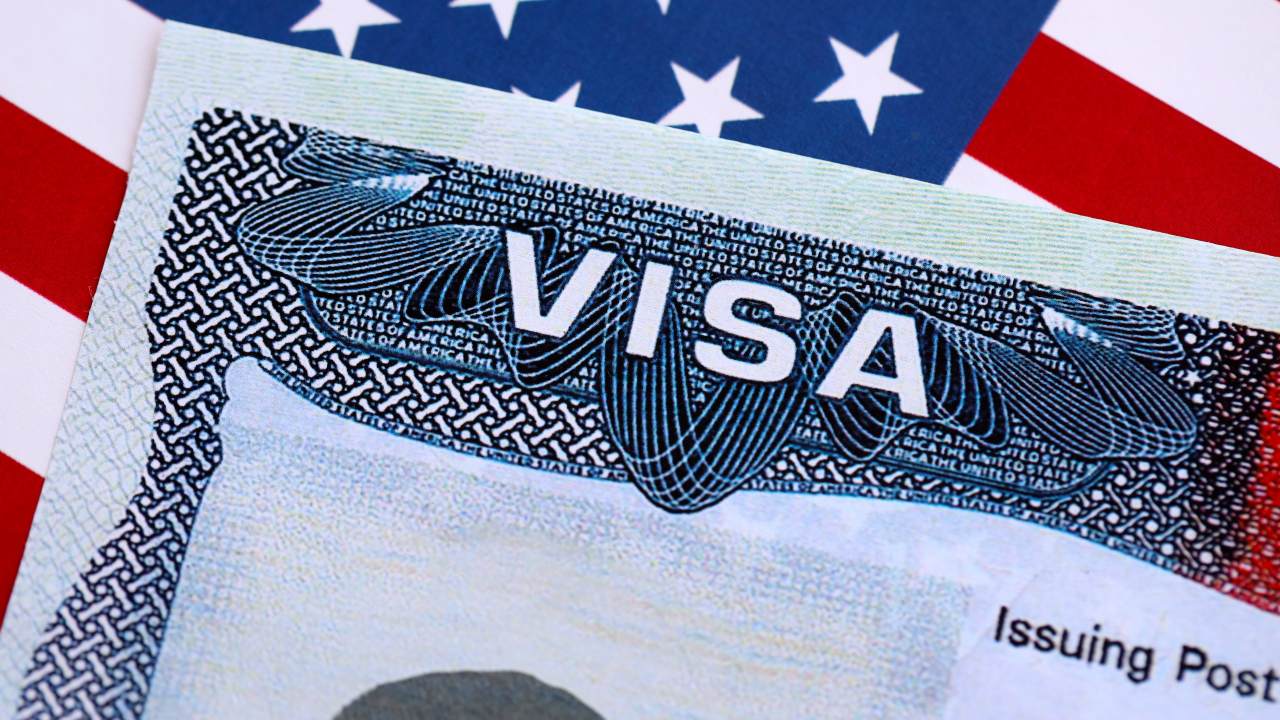
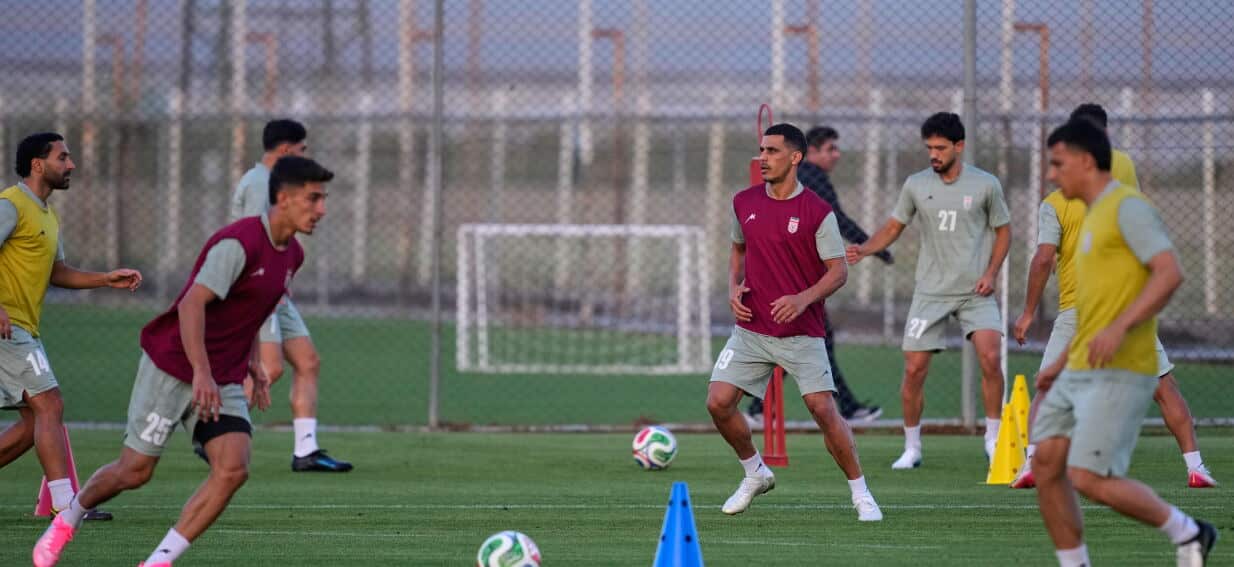
The United States government has granted entry visas to Iran’s national soccer players for the FIFA World Cup, but Washington is quietly withholding visas for critical technical, coaching, and administrative staff members just days before the tournament kicks off. While a White House official confirmed that the active playing squad received clearance to enter the country roughly ten days before their opening match in Los Angeles, the targeted exclusion of their supporting delegation has plunged Iran's tournament preparation into chaos. This bureaucratic chokehold has forced the squad to abandon its planned base camp in Arizona, shifting operations across the border to Tijuana, Mexico, as FIFA scrambles to manage the fallout.
This is not a standard immigration delay. It is a calculated diplomatic strategy playing out through the machinery of international sports. By separating the players from their technical staff, Washington is adhering to the letter of FIFA’s hosting agreements while systematically dismantling the operational capacity of the Iranian delegation.
The Invisible Border Wall
A football team at this level does not function as an isolated group of twenty-three athletes. It is an ecosystem of tacticians, medical professionals, kit managers, and administrators.
When the U.S. Embassy withheld visas from key members of the technical staff, it effectively crippled Team Melli's daily training routines. The Iranian Football Federation has threatened to halt the team’s departure from their preliminary camp in Antalya, Turkey, demanding that visas be issued for the entire official delegation before traveling to North America.
The mechanism behind these denials is rooted in U.S. foreign policy rather than standard athletic screening. U.S. Secretary of State Marco Rubio clarified the administration's stance by stating that individuals linked to the Islamic Revolutionary Guard Corps (IRGC) would not be permitted entry under any circumstances.
The impact of this policy was felt early in the cycle. Mehdi Taj, the president of Iran’s soccer federation and a former IRGC commander, was barred from attending the tournament draw in Washington.
The current visa strategy reflects this targeted approach. By vetting each staff member through national security databases, the State Department has managed to filter out the administrative apparatus of the Iranian team while avoiding the international backlash that would accompany a blanket ban on the players themselves.
The Mexican Alternative
Faced with the reality that the United States would not comfortably accommodate the Iranian delegation on its soil, FIFA intervened behind the scenes.
The governing body requested that Mexico step in to host Iran's training camp. The squad negotiated a last-minute relocation from their intended facility in Arizona to Tijuana. This allows the team to train in a more stable environment while remaining close to their scheduled venues.
Iran Group G Match Schedule (All venues located on U.S. soil)
+--------------+-----------------------+---------------------+
| Date (2026)  | Opponent              | Venue               |
+--------------+-----------------------+---------------------+
| June 15      | New Zealand           | Los Angeles Stadium |
| June 21      | Belgium               | Los Angeles Stadium |
| June 26      | Egypt                 | Seattle Stadium     |
+--------------+-----------------------+---------------------+
This arrangement creates an unprecedented logistical burden. The team must cross the international border for every group stage match, changing environments between their secure base in Mexico and the high-pressure tournament venues in California and Washington.
A Host Country at War with a Competitor
The historical precedent for this situation is virtually non-existent. Never before in the history of the modern World Cup has a host nation welcomed an athletic delegation from a state with which it is actively engaged in military conflict. Following a series of mutual strikes earlier this year, the relationship between Washington and Tehran has remained volatile, turning the sport into an extension of theater.
The narrative coming out of Tehran attempts to frame their participation as an act of diplomacy. Abolfazl Pasandideh, Iran's ambassador to Mexico, stated that competing on the soil of an adversary demonstrates a desire for peace. Yet, underneath the diplomatic language, the Iranian federation is furious about what it views as systemic sabotage of their athletic ambitions.
For FIFA, the situation is a nightmare regarding tournament integrity. The organization prides itself on demanding guarantees of unhindered access for all qualifying nations as a condition for hosting rights. By granting visas to the players but blocking their support network, the United States has found a loophole in the standard hosting agreement, exposing the limits of FIFA’s leverage over global superpowers.
The tactical reality for Iran is bleak. A head coach separated from his primary assistants, a medical staff working with reduced personnel, and video analysts denied entry all contribute to an uneven playing field. As Team Melli prepares to fly into Tijuana, the focus shifts from tactical formations to border control lines, proving that the toughest opponent Iran faces this month will not be lining up on the pitch in Los Angeles.