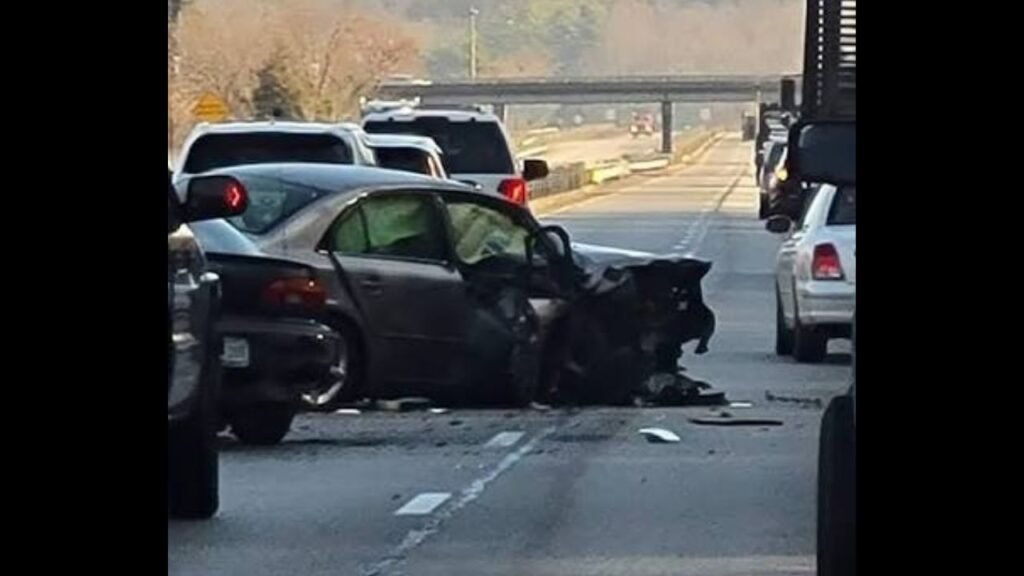
Fifteen people injured. A celebration turned into chaos. When a vehicle plowed into a crowd during a festival in the designated "magic town" of Zacatlan, Puebla, it exposed a grim reality that local tourism boards refuse to address.
For years, rural municipalities across Mexico have marketed their historic centers as romantic, culturally rich sanctuaries frozen in time. They pull in millions of tourists eager for local cider, dense pine forests, and picturesque cobblestone streets. But underneath the colorful banners and weekend festivities lies a dangerous structural neglect. Local authorities routinely fail to manage the heavy vehicular influx that clashes directly with pedestrian-heavy cultural events.
The Illusion of Control in Pueblos Magicos
Zacatlan is famous for its annual Apple Fair and its mist-shrouded mountain views. Thousands crowd the narrow colonial pathways to celebrate local agriculture and heritage. Yet, these historic urban layouts were never engineered to handle modern vehicular traffic, let alone the dense foot traffic of a massive regional festival.
When planners close streets for parades, vendor stalls, and stages, they rarely establish proper perimeter defenses. Concrete barriers are expensive. Heavy-duty bollards require municipal funding that often vanishes into administrative overhead or political campaigning. Instead, authorities rely on lightweight plastic cones and overstretched local police officers standing casually near patrol cars.
This is not an isolated incident. Across Mexico's prized designation zones, crowd safety is treated as an afterthought. Municipalities live in fear of dampening tourism revenue, so they cut corners on logistical security. They gamble with public safety every single weekend.
The Anatomy of Municipal Neglect
To understand why fifteen people were hurt during a routine celebration, you have to look at how local governments operate under the pressure of tourism targets. State and federal agencies hand out the "Pueblo Magico" label like promotional candy. It brings prestige, but it rarely comes with mandatory, rigorously audited infrastructure funds specifically earmarked for pedestrianization and crowd mitigation.
Local transit authorities often lack formal training in event traffic management. When a driver loses control, experiences mechanical failure, or navigates drunk through poorly marked detour routes, the human cost is catastrophic.
Consider the hypothetical mechanics of a typical small-town street closure. A secondary road branching off the main plaza is blocked off with a makeshift metal gate or a single police cruiser. A driver unfamiliar with the sudden layout changes approaches the zone at night. Without advanced warning signage, high-visibility illumination, or physical barriers capable of stopping a moving vehicle, disaster becomes a statistical certainty rather than a mere possibility.
Why Warning Signs Are Not Enough
Posters and temporary paper signs taped to telephone poles do not stop a multi-ton vehicle. Municipalities frequently rely on passive communication instead of active physical defense.
- Lack of physical hardening: Few historic plazas possess retractable bollards or certified crash-rated barriers.
- Understaffed municipal police: Traffic redirection falls onto young, poorly compensated cadets rather than seasoned logistics coordinators.
- Inadequate route diversion: Drivers are often pushed onto steep, poorly lit mountain bypasses that lead directly back into pedestrian bottlenecks.
The officials who step up to microphones after these crashes always offer the same hollow talking phrases. They express regret. They promise an internal investigation. They pledge to review security protocols. Within six months, the barriers disappear, the budget evaporates, and the next festival opens with the exact same vulnerabilities.
The Cost of Tourism at All Costs
Mexico's tourism sector is an economic engine. State governors and municipal presidents know that packed plazas translate directly into hotel bookings, restaurant sales, and regional tax revenues. Admitting that a destination is unsafe or poorly managed threatens that revenue stream.
Consequently, the narrative is tightly controlled. Incidents are categorized as freak accidents or the reckless actions of a single driver. Officials isolate the blame onto an individual, absolving the municipal government of systemic responsibility.
Yet, treating a crash as an isolated anomaly ignores the systemic pressure cooker of these events. When you pack thousands of pedestrians into narrow colonial corridors alongside chaotic local transit routes without professional crowd management, you are inviting disaster.
Journalists and industry analysts must stop treating these events as mere local crime briefs. They are structural failures of municipal planning. Until federal tourism ministries tie the "Pueblo Magico" designation to mandatory, heavily enforced safety audits and infrastructure minimums, the festivals will continue.
And the crowds will keep walking blindly into the path of unprotected asphalt.
Choque en la autopista México-Puebla deja 12 heridos
This video provides visual context on regional transit accidents and the typical emergency response conditions in Puebla.
http://googleusercontent.com/youtube_content/1