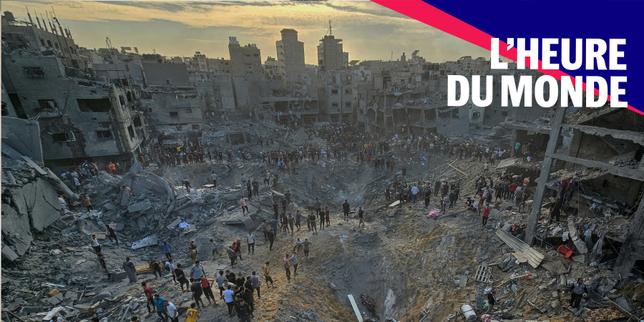
When journalists and filmmakers piece together how modern war is actually fought on the ground, official briefings rarely tell the whole story. Over the past few years, major investigations, open-source audits, and documentaries—including Le Monde's reporting and the 2026 film NAZA directed by Rachel Szor and Yuval Abraham—have pulled back the curtain on Israeli military methods in Gaza.
Some findings are chilling. Others are fiercely contested.
If you want to understand what is actually documented versus what remains disputed in Gaza, you have to look at how evidence gets gathered when foreign press access is restricted and local reporters face extreme peril. You can't rely on single clips or heated slogans. You have to trace testimonies, satellite images, munitions fragments, and official responses side by side.
How Investigations Built a Picture of Gaza Warfare
Reporting on Gaza has forced newsrooms to rely heavily on visual forensics, whistleblower accounts, and leaked or reported military practices. When reporters can't freely walk every street or interview every commander on camera, verification becomes a slow, painstaking craft.
Investigations by outlets such as +972 Magazine, Local Call, Haaretz, The Guardian, and Le Monde—alongside visual teams at The New York Times, The Washington Post, and Bellingcat—have focused on recurring operational patterns. Instead of treating every strike as an isolated mystery, researchers have mapped how targeting, ground clearing, and surveillance intersect.
In the 2026 documentary NAZA, filmmakers interviewed Israeli military insiders and intelligence personnel to ask how surveillance and strike systems functioned in practice. Accounts in the film and related reporting describe phone hacking, intercepting family conversations prior to strikes, destroying neighborhoods where significant numbers of civilians were estimated to remain, burning homes, and incidents near food distribution sites.
Documentaries and investigative reports present allegations and insider accounts that require careful legal and factual scrutiny, alongside formal denials and explanations from the Israel Defense Forces.
Here is the catch that serious readers shouldn't gloss over. Documentary claims and leaked testimonies are not courtroom verdicts. At the same time, dismissing them out of hand when multiple independent sources point to similar mechanisms ignores a huge body of evidence.
Algorithmic Targeting and Strikes at Home
One of the biggest shifts highlighted in reporting on Israeli military methods in Gaza is the role of software and data tools in generating targets. Investigations into systems known as The Gospel, Lavender, and Where's Daddy? described how automated ranking and tracking tools helped identify suspected operatives and monitor when individuals returned to family residences.
Sources cited in those reports claimed that lower-level militants were sometimes struck at home using unguided munitions—often called "dumb bombs"—rather than precision-guided weapons reserved for scarcer inventory or higher-value targets. Critics and legal scholars warned that relying on rapid algorithmic suggestions and striking homes can erode human oversight and lead to disproportionate civilian harm.
The Israeli military has pushed back sharply against those characterizations. Officials have maintained that targeting decisions are made by human personnel rather than autonomous machines, that databases cross-reference intelligence rather than serve as automatic strike lists, and that strikes aim at military targets and operatives while adhering to rules of proportionality and precaution.
Ground Zones, Demolition, and Infrastructure
Beyond airstrikes, investigations have examined how ground troops reshaped entire urban areas. Reporting by Haaretz and +972 Magazine has highlighted accounts of designated "kill zones" or buffer perimeters where troops operated with broad rules of engagement against people crossing lines.
Humanitarian agencies, UN bodies, and investigative outlets have also documented widespread damage to housing, water systems, hospitals, and cultural sites. From a military standpoint, commanders often point to dense urban combat, booby-trapped buildings, and extensive tunnel networks built by Hamas beneath civilian areas as drivers of heavy demolition and tactical caution. From a humanitarian and legal standpoint, organizations like Human Rights Watch, Oxfam, and UN investigators have argued that patterns of destruction, restricted aid, and harm to essential infrastructure cross lines under international humanitarian law.
Both realities can be part of the analysis without pretending they are equal. Tunnel warfare in a densely packed strip creates brutal tactical dilemmas for any army. Still, international law sets strict boundaries on distinction, proportionality, and precaution regardless of how difficult the terrain is.
Why Documentary Shock Value Needs Context
Shocking documentaries and investigative series grab attention for a reason. Hearing someone who worked inside a military or intelligence pipeline explain routines matter-of-factly hits harder than reading a dry policy brief.
That emotional punch is also where readers can get tripped up. A compelling film has a narrative arc and editorial choices. It may spotlight certain units or operations while leaving out others, such as the full scope of Hamas tunnel engineering, rocket fire, hostage-taking, or internal military reviews.
When you watch a film like NAZA or read an investigation in Le Monde, ask three practical questions:
- Who is speaking, and what did they actually see? A mid-level analyst or field soldier may know a specific workflow intimately while lacking visibility into high-level legal approvals or broader command intent.
- How was the visual evidence verified? Check whether munitions, timestamps, geolocations, or building damage were corroborated through satellite imagery, independent forensics, or multiple eyewitnesses.
- What is the official counter-argument? Read the military's stated doctrine and specific responses to know where the dispute is factual versus legal or ethical.
Separating Fact From Debate in Gaza Coverage
A common mistake people make in online arguments is treating every claim as either 100% proven gospel or total fabrication. Reality in war reporting is messier than that.
We know with high confidence that AI-assisted targeting tools were discussed in major investigations, that civilian casualties and physical destruction in Gaza reached severe levels, that restrictions on outside journalists shaped how information emerged, and that the IDF rejects accusations of indiscriminate killing or reliance on automated strike decisions. What remains fiercely contested—and subject to ongoing legal, diplomatic, and historical scrutiny—is how specific orders, thresholds for acceptable civilian harm, and rules of engagement operated across different phases and brigades.
If you want to follow this topic without getting pulled into echo chambers, start by reading primary investigative reports alongside official statements and international legal analyses. Compare coverage across outlets with different editorial lenses—such as The Guardian, Action on Armed Violence, and Bellingcat—and pay close attention to dates, locations, and named systems rather than vague summaries. Good information takes a little extra patience, and in conflicts this polarized, patience is the best defense against spin.


