Midnight settles over the city with a heavy, humid stillness. Outside the window, the neon pulse of Victoria Harbour casts a bruised purple glow across the blinds, but inside, the apartment is dark. It is quiet. Except for the low, rhythmic hum of an air conditioner fighting the Hong Kong heat.
Then, a chime breaks the silence.
Soft. Harmless. Just a pixelated whisper on a piece of glass resting on the bedside table.
Two minutes later, another chime. Then a third.
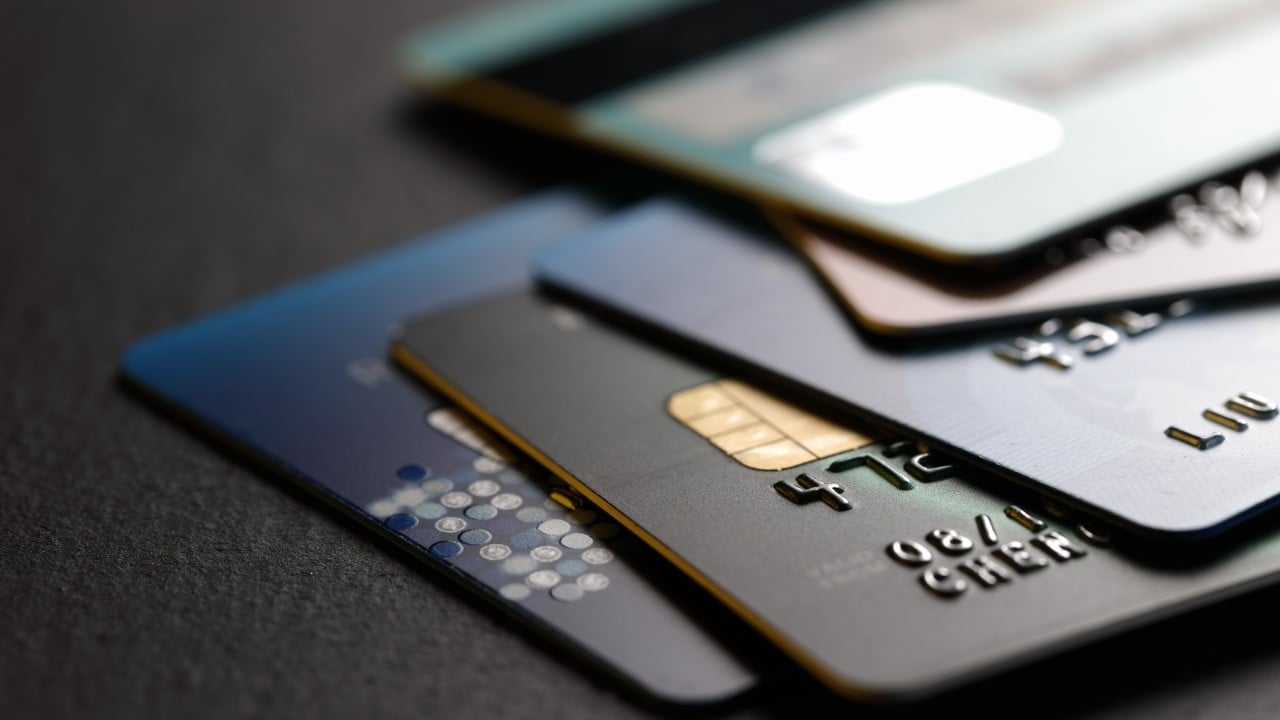
Chloe reaches out in the dark, her fingers brushing the cool aluminum edge of her iPhone. She squints against the sudden glare of the screen, her thumb swiping down to reveal a cascade of notifications. Three separate transactions. Three separate charges from an overseas online merchant. Thousands of dollars vanished into the digital ether, billed directly to a credit card she keeps tucked securely inside her leather wallet across the room. She has not left her bed in hours. She has not opened a browser. She has not authorized a single cent.
Yet her money is gone.
This is not a ghost story. It is a calculated, modern burglary executed with invisible crowbars and digital skeleton keys. Across the densely packed towers of the city, where life moves at the velocity of an MTR train during rush hour, a quiet epidemic of online fraud is rewriting the rules of personal security. And at the center of the storm sits the world’s most coveted status symbol: the iPhone.
To understand how Chloe woke up poorer, we have to look at the ecosystem that birthed her vulnerability. Hong Kong is an engine of hyper-efficiency. People here live on their phones. We order dim sum through apps, hail cabs with a flick of a wrist, and trade second-hand gadgets on bustling peer-to-peer marketplaces like Carousell within minutes of listing them. Speed is our religion.
But speed leaves blind spots. And predators thrive in the shadows of efficiency.
Every autumn, when Apple drops a fresh iteration of its flagship device, a parallel black-market economy roars to life. Prices spike, queues stretch around block corners in Causeway Bay and Tsim Sha Tsui, and a collective fever takes hold. Everyone wants the latest titanium chassis, the newest camera array, the bragging rights of holding tomorrow in their palm today. Scammers know this desperation intimately. They do not need to break into your apartment; they simply exploit the frantic architecture of your desire.
Note: While Chloe is a composite character constructed to illustrate the mechanics of these crimes, her experience mirrors hundreds of real-world police reports filed annually across the region.
Consider what happens days before a victim receives those midnight chimes. It often starts with a text message. Not an obvious scam message written in broken English with frantic typos, but a sophisticated, eerily polite notification. It looks like it comes from a trusted logistics provider or a major telecommunications firm.
Your parcel is awaiting dispatch. Address confirmation required.
Your mobile data plan requires re-verification to avoid suspension.
The link attached looks legitimate at a glance. Perhaps it uses a slightly altered domain extension, swapping .hk for something obscure, or masking the URL behind a URL shortener. But when the tired brain processes it at the end of a fourteen-hour workday, the cognitive defenses are already offline. You tap the link.
You land on a page that is a pixel-perfect clone of a bank portal or a shipping tracker. The fonts match. The logos gleam with corporate authority. Your brain relies on pattern recognition, and the pattern looks safe. So you input your credentials. You type in your credit card number, the expiration date, the three-digit CVV code on the back, and finally, the one-time passcode (OTP sent via SMS to confirm a minor shipping fee).
You think you are paying a ten-dollar delivery surcharge for a new phone case.
Instead, you have just handed a stranger the keys to your entire financial life.
Fraudsters in these operations do not manually drain accounts one by one. They deploy automated scripts. The moment your credentials hit their server, bots begin routing transactions through foreign online storefronts, buying high-value digital goods, or loading prepaid wallets before your bank’s fraud detection algorithms even blink. By the time you wake up and stare bleary-eyed at your screen, the money has changed hands half a dozen times across international borders, dissolving into untraceable pockets.
The human element here is devastatingly simple. Cybercrime is rarely a triumph of superior technology; it is almost always a triumph of psychological exploitation.
Fraudsters engineer crises. They manufacture urgency. They know that when humans are rushed, panicked, or distracted, executive function plummets. We stop reading URLs character by character. We stop questioning why a bank is asking for our full card details over an SMS link. We surrender our caution in exchange for convenience.
How do you build armor against an enemy you cannot see?
The first line of defense is counter-intuitive in a hyper-connected metropolis: radical paranoia.
Never click a link in a text message. Never. If a courier company claims they cannot deliver your package, close the text app, open your browser manually, navigate to the official website, and check your tracking number there. If your bank sends an urgent alert about suspicious activity, do not tap the embedded phone number or verification link. Pick up your physical card, turn it over, and dial the customer service hotline printed on the back. It takes forty extra seconds. Those forty seconds are the difference between security and ruin.
Second, embrace the power of the virtual card. Modern banking apps in Hong Kong increasingly allow users to generate single-use or merchant-locked virtual credit card numbers with strict spending caps. If you must buy something from an unverified online seller or an unfamiliar marketplace vendor, use a disposable virtual card loaded with only the exact amount required for that single transaction. If the card details are stolen ten minutes later, the thief finds an empty vault.
Third, recognize the physiological tells of manipulation. If a digital interaction makes your heart beat a little faster, if it introduces a countdown timer, or if it threatens you with account closure or lost opportunities, stop. Breathe. That spike of adrenaline is the exact vulnerability the attacker is weaponizing. Step away from the screen for sixty seconds. Let your rational mind return to the driver's seat.
Digital theft feels uniquely violating because of where it happens. It does not occur in a dark alley or across a physical counter. It happens in the quiet sanctuary of your bed, illuminated by the soft, comforting glow of the device you trust most. It feels like someone walked into your home not by picking the lock, but because you accidentally left the front door wide open, assuming the neighborhood was safe.
The city outside your window will keep moving at breakneck speed. The notifications will keep chiming. The allure of the next shiny object will always be whispering from the billboards overhead. But the quiet strength to resist the trap begins in the space between the chime and the tap.
Check the URL. Question the urgency. Keep your digital doors locked.
Because in the end, the most dangerous weapon in the modern world is not the sophistication of the scammer's code, but the tired, trusting reflex of the human finger pressing a link in the dark.