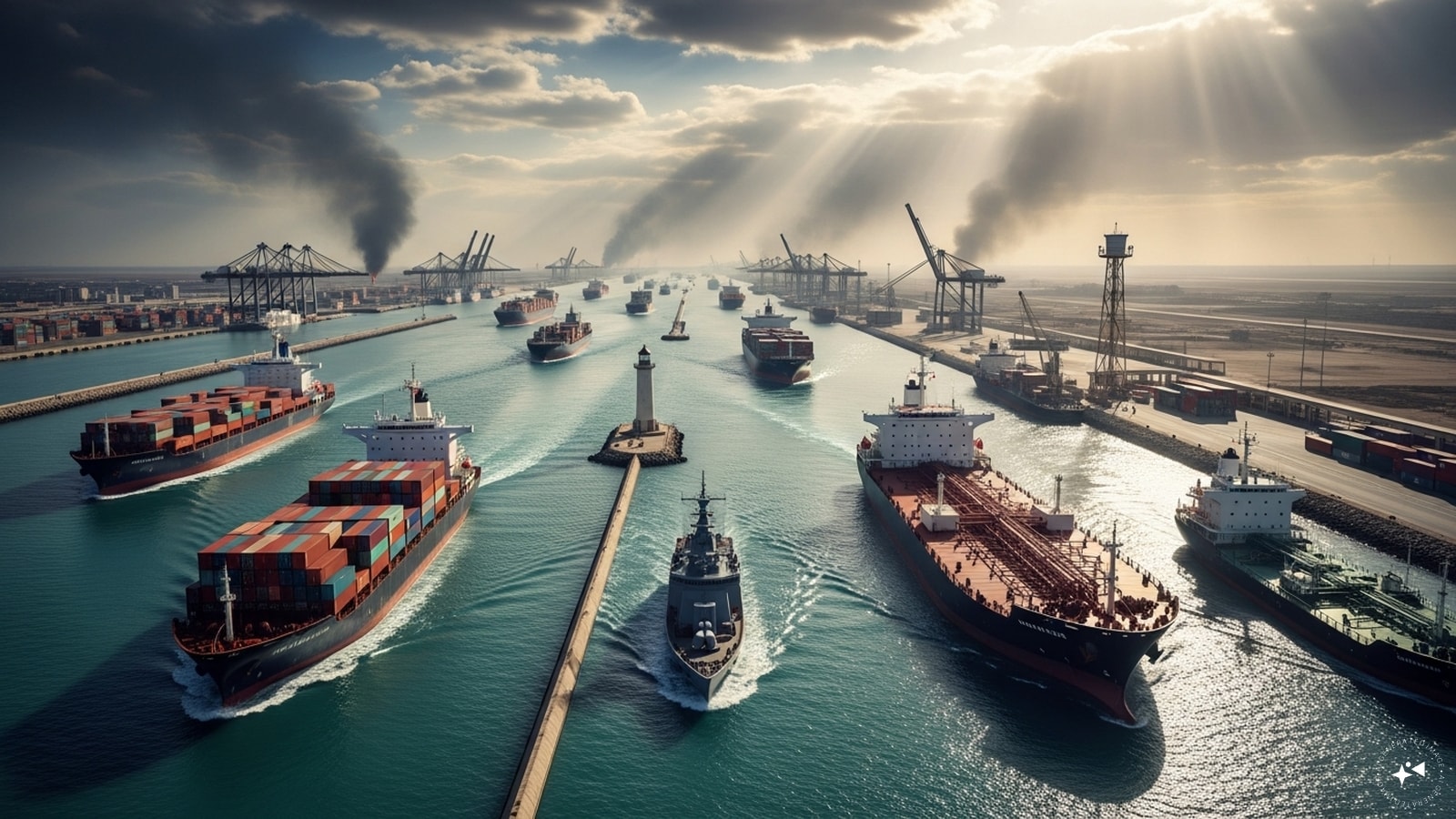
Salt crusts the windshield before the sun even clears the horizon. Out here, the water is not blue. It is a heavy, bruised gray, stretching out to meet a sky that feels too low, too close.
Imagine standing on the deck of a container vessel crawling through the narrow bottleneck of the Strait of Hormuz. Every sailor knows the geography by heart. Twenty-one miles wide at its narrowest point. A choke point. A vital artery through which a massive share of the planet’s daily energy supply must pass to keep cities lit, factories humming, and trucks moving.
Now, strip away the abstract statistics of global trade. Focus on the hum of the engine room. Focus on the crew of twenty-two souls sitting down for morning tea, watching radar screens dotted with blips.
Recently, those blips turned hostile.
The Sound That Changes Everything
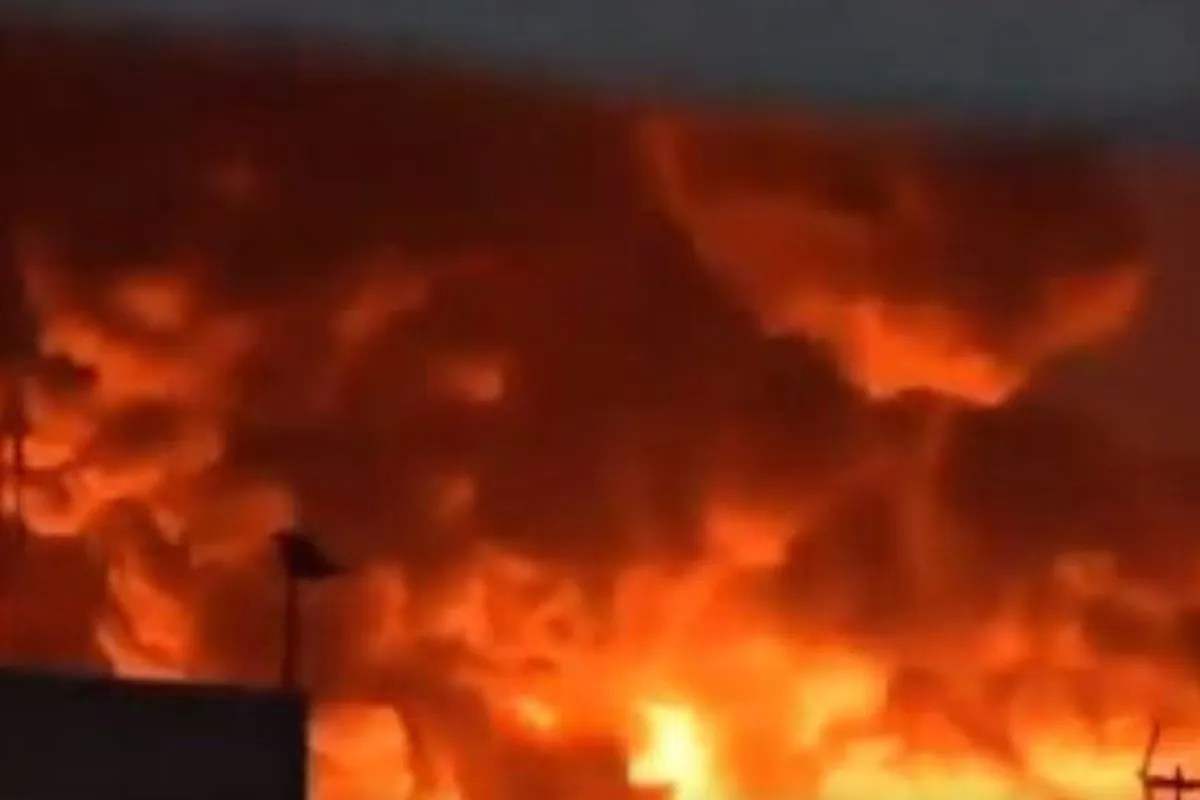
A sudden concussive thud shakes the hull. Smoke. Sirens. The sharp, metallic tang of burning fuel.
This is not a hypothetical scenario. Over recent months, maritime vessels traversing these volatile Gulf waters have found themselves in the crosshairs of unexpected attacks. Commercial ships—peaceful carriers laden with ordinary goods and fuel—have faced sudden violence. Missiles streak through the dark. Drones buzz like angry hornets above the bridge.
When a ship burns in the Strait of Hormuz, the fire is felt thousands of miles away.
At the United Nations Security Council, diplomats adjust their microphones. Speeches are read. Condemnations are issued. India, sitting among the member states, stood up to deliver a message that cut through the standard diplomatic pleasantries. The stance was direct, firm, and unequivocal: the targeting of commercial maritime vessels is utterly unacceptable.
Why does a statement thousands of miles away in New York matter to a sailor in the Gulf? Because words are the first line of defense against anarchy. When the international community speaks with one voice, it draws a red line across the water. It says that the open seas belong to everyone, not to those who sow terror from the shadows.
The Human Cost of Global Commerce
We take supply chains for granted. We tap a screen, order a package, flick a light switch, and expect magic.
We rarely think about the human labor required to sustain modern civilization. Behind every gallon of fuel and every manufactured good is a tired crew member working a nine-month contract, away from family, navigating waters where the geopolitical temperature can rise to boiling point in a matter of minutes.
Consider what happens next when security fails. Insurance premiums for cargo ships skyrocket. Shipping companies reroute entire fleets around the Cape of Good Hope, adding weeks to transit times and driving up the price of basic goods for everyday families everywhere.
Security is invisible until it vanishes.
When international bodies condemn these attacks, they are not just protecting corporate assets. They are protecting the stability of the global economy. They are defending the principle of freedom of navigation—a rule of the road that has kept international trade flowing for generations.
Standing Firm Against the Storm
Diplomacy is slow. It moves at the speed of committees, communiqués, and resolutions. Yet, it remains our primary tool to prevent regional friction from exploding into a broader catastrophe.
India’s strong condemnation at the UN Security Council serves as a reminder that silence is complicity. By calling out the aggression in the Strait of Hormuz, the nation reinforced a fundamental truth: maritime security is indivisible. You cannot undermine the safety of one ship in a critical international lane without threatening the economic heartbeat of the entire world.
The sun dips below the horizon, painting the Gulf in shades of deep violet and amber. On the bridge of a lone tanker moving slowly through the gloom, the watchkeeper stares into the radar night. The sea is vast, dark, and indifferent. But somewhere out there, nations are arguing for their right to pass in peace. And in that simple, stubborn insistence on order over chaos lies our best hope for tomorrow.