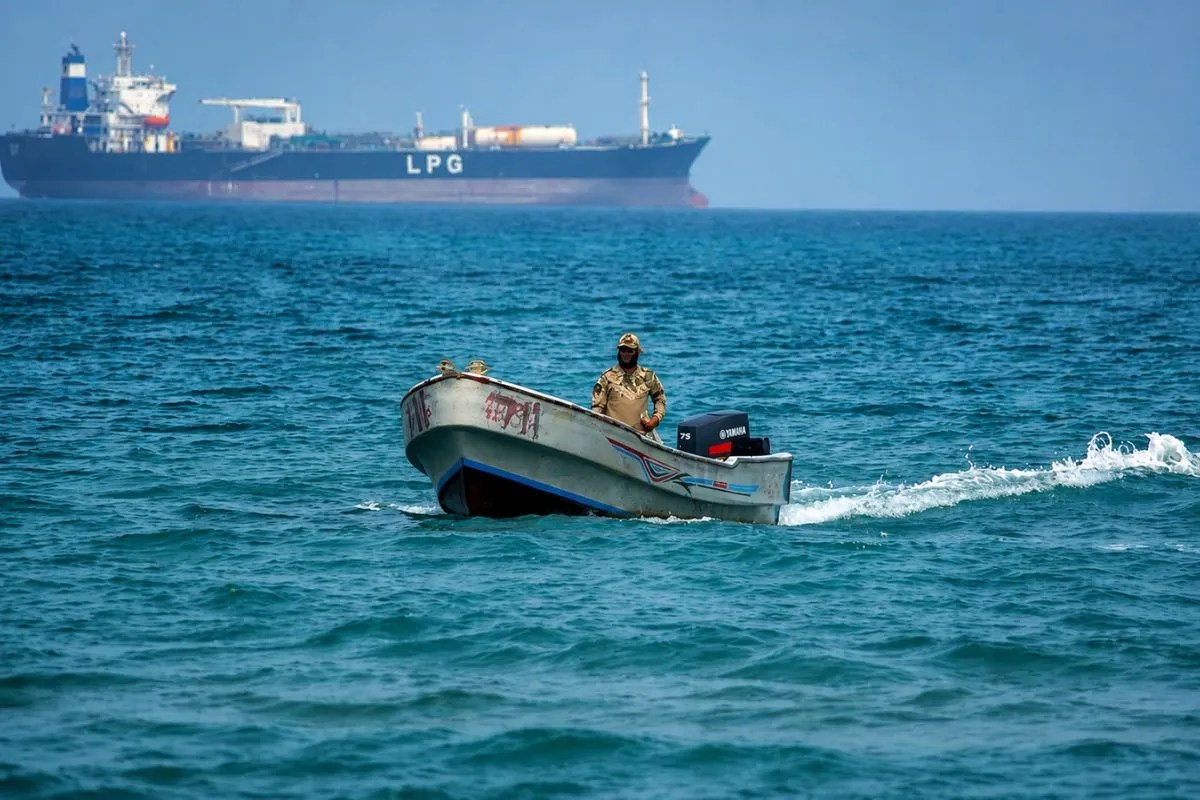
A single, salt-crusted metal container sits stacked among thousands on a vessel navigating the Bab-el-Mandeb strait. Inside it are not high-tech microchips or luxury vehicles, but basic components—valves, gaskets, raw textiles. To the average consumer, this container is invisible. Yet, its journey dictates the price of the morning coffee, the heating bill during a brutal winter, and the stability of global markets.
When we talk about geopolitical conflict in the Middle East, we often talk in the abstract. We discuss percentages of global trade, shipping lanes, and political statements issued from distant capitals. But the reality of global trade is incredibly physical, fragile, and bound by geography.
If you choke the flow of these narrow waterways, the world feels it instantly. First comes the panic in the boardroom, then the spike on the trading floor, and finally, the quiet realization at the local gas pump that everything has just become more expensive.
The Bottlenecks of Our Modern World
To understand why the closing of shipping routes in the Red Sea feels like a tremor running through the global economy, we have to look at the map. The global economy relies on a series of maritime shortcuts.
Consider a giant vessel carrying crude oil from the Persian Gulf to a refinery in Rotterdam. Under normal circumstances, the path is straightforward:
- Depart the Persian Gulf through the Strait of Hormuz.
- Sail across the Arabian Sea.
- Enter the Red Sea via the narrow Bab-el-Mandeb strait.
- Transit the Suez Canal into the Mediterranean.
It is a beautifully efficient system. It connects East and West in a matter of weeks.
Now, imagine that path is suddenly blocked.
The Strait of Hormuz has long been regarded as the ultimate energy chokepoint, a narrow strip of water through which a fifth of the world's petroleum passes daily. The mere threat of its closure sends oil prices skyrocketing. But while the world kept its eyes fixed on Hormuz, another vulnerability quietly fractured.
The Red Sea, the vital northern continuation of that trade highway, became a no-go zone for major shipping fleets.
When commercial vessels face attacks or blockades in these waters, the entire illusion of a frictionless global supply chain vanishes. Suddenly, captaining a cargo ship is no longer a routine job of logistics; it is a high-stakes navigation through a geopolitical hazard zone.
The Long Way Around the Cape
What happens when a shipping company decides the Red Sea is too dangerous? The alternative is not a different canal or a quick detour. The alternative is a journey back in time to the era of the age of sail.
Ships must turn south, bypass the entire East African coast, and round the Cape of Good Hope at the southern tip of Africa before heading north toward Europe.
[Normal Route]: Persian Gulf -> Red Sea -> Suez Canal -> Europe (approx. 14 days)
[Detour Route]: Persian Gulf -> Cape of Good Hope -> Europe (approx. 24 to 27 days)
This is not a minor inconvenience. It adds thousands of miles to the journey. It tacks on ten to fourteen days of travel time.
But the real cost is measured in fuel. A massive container ship can burn over a hundred tons of fuel a day. Adding nearly two weeks to a voyage means burning hundreds of thousands of dollars in extra fuel per ship. That extra cost does not get absorbed by the shipping conglomerates. It gets tacked onto the bill of every single item inside those metal containers.
Suddenly, the cheap consumer goods we take for granted are carrying the surcharge of a historic detour.
The Domino Effect on the Energy Market
Oil is the lifeblood of global industry, and its price is highly sensitive to time. Refineries operate on razor-thin margins and incredibly tight schedules. They expect tankers to arrive like clockwork.
When tankers are delayed by weeks, a localized shortage occurs. Refineries must scramble to buy oil from closer sources, bidding up the price of immediately available crude.
At the same exact time, the cost of insuring these voyages climbs to staggering heights. Underwriters look at the risk of transit through contested waters and raise premiums exponentially. For some operators, the insurance cost alone makes the journey mathematically impossible, forcing them onto the longer, more expensive route around Africa.
This double blow—increased transit times and skyrocketing insurance rates—creates a massive upward pressure on crude oil benchmarks.
We watch the numbers flicker on financial news channels: Brent crude climbs a dollar, then two, then five. It feels academic. But weeks later, those numbers materialize as a tangible burden when you pull up to a local service station. The connection is direct, unforgiving, and incredibly fast.
The Friction of a Borderless World
We have built a civilization that prides itself on being borderless, digital, and instantaneous. We buy products with a tap on a screen and expect them on our doorsteps within days.
Yet, this entire digital wonderland is utterly dependent on a few hundred steel ships navigating a few narrow, treacherous stretches of water.
When those waterways close, we are reminded of the sheer physical reality of our existence. We are reminded that geography still rules the world. A crisis in the Red Sea is not just a localized conflict or a headline in the business section; it is a sudden, sharp reminder of how tightly bound we all are to the fate of a few fragile shipping lanes on the other side of the planet.