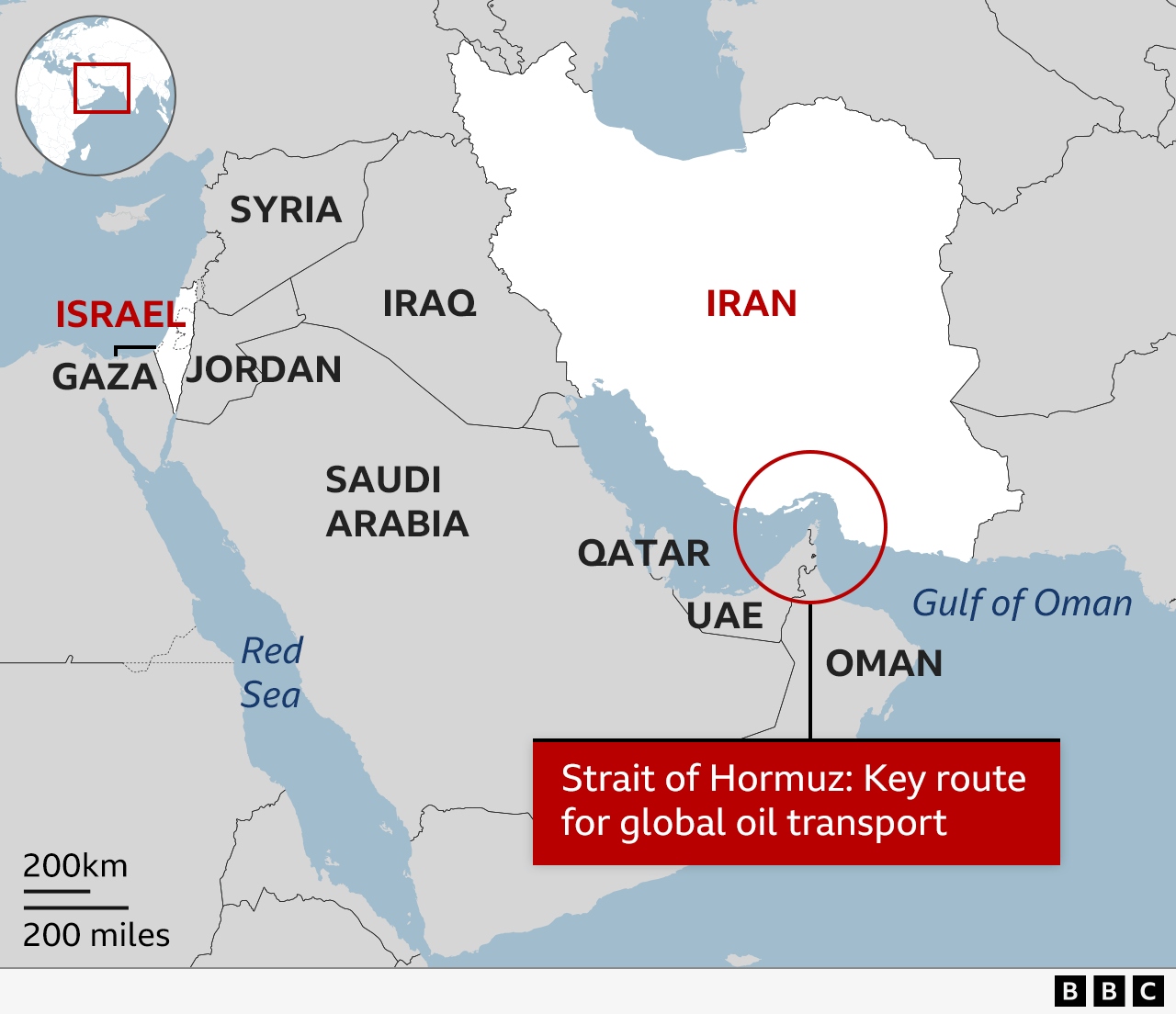
The markets are cheering a ghost. As headlines scream about a "near deal" between the U.S. and Iran, traders are dumping oil futures like they’ve found a cure for scarcity. They think a signature in Geneva or Vienna suddenly floods the world with two million barrels of crude and fixes the global energy crunch.
They are dead wrong.
This isn't just optimism; it’s a fundamental misunderstanding of how energy infrastructure and geopolitical leverage actually function. The "consensus" view—that a diplomatic breakthrough equals an immediate, sustained price crash—ignores the physical reality of the oil patch and the cynical calculus of the players involved. If you’re shorting oil based on a press release, you’re the liquidity for the people who actually understand the math.
The Ghost Barrels and the Infrastructure Lie
The biggest fallacy circulating in the financial press is the idea of "spare capacity." The narrative suggests Iran has millions of barrels sitting in tanks, ready to hit the water the second a pen touches paper.
While Iran does have floating storage, that’s a one-time sugar high. The real question is sustainable production. You cannot turn an oil field on and off like a kitchen faucet. When fields are throttled or shut in for years due to sanctions, the reservoirs suffer. Pressure drops. Equipment corrodes. Talent flees.
I have seen private equity groups lose billions betting on "rapid restarts" in distressed basins. It doesn’t happen. Iran’s energy sector has been starved of Western capital and technology for a decade. To get back to pre-sanction levels, they don't just need a deal; they need a massive injection of specialized engineering and hardware that isn't sitting in a warehouse in Tehran.
The Math of Reality
Let’s look at the numbers the pundits ignore. Even if a deal is reached, the timeline for meaningful, stabilized production increases is measured in quarters and years, not days.
- Initial Surge: 500,000 to 700,000 barrels from floating storage. This is the "head-fake" that makes the markets dip.
- The Plateau: Reaching the next 1 million barrels requires $40 billion to $100 billion in CAPEX.
- The Bottleneck: Global tanker rates are already stretched. Even if the oil exists, moving it at scale creates a new inflationary pressure in the shipping sector.
The OPEC+ Counter-Punch
The "peace deal" narrative assumes that the rest of the world stands still. It treats the oil market like a vacuum where Iran is the only variable.
This ignores the most powerful cartel on the planet. OPEC+, led by Saudi Arabia and Russia, has zero interest in $60 oil. If Iran brings 1.5 million barrels back to the formal market, the rest of the group will simply trim their quotas to defend the price floor. They’ve done it before, and they will do it again.
The Saudis, in particular, are funding a massive societal transformation (Vision 2030). They need oil consistently priced above $80 to balance their books. They aren't going to let a U.S.-Iran rapprochement tank their sovereign wealth fund. The market is pricing in the Iranian supply but failing to price in the inevitable Saudi response.
Why the "Peace" is a Volatility Trap
The headline claims we are nearing a deal to "end the war." Which war? The shadow war in the Middle East isn't a dispute over a contract; it’s a centuries-old struggle for regional hegemony.
A deal doesn't resolve the friction; it just changes the currency of the conflict. History shows that when these regimes get a massive influx of cash from lifted sanctions, they don't build schools and parks. They fund proxies. They buy sophisticated weaponry. They expand their influence.
Imagine a scenario where a deal is signed, Iran gets $100 billion in unfrozen assets, and three months later, a drone strike hits a major refinery in Abqaiq. What happens to the "plunging" oil price then? It rockets to $120.
The deal is not a stabilizer. It is a volatility accelerant.
The False Correlation Between Diplomacy and Markets
Financial journalists love a clean narrative. "Talks progress, price falls." It’s easy to write. It fits in a tweet. But it ignores the structural deficit in global energy.
For the last seven years, the world has under-invested in fossil fuel exploration. We are currently living through the consequences of a "green at any cost" policy that forgot humans still need dense energy to survive. One deal with one mid-tier producer cannot bridge the gap created by a decade of global under-investment.
The "People Also Ask" Reality Check
Question: Will an Iran deal lower my gas prices?
No. Not in the long run. Refining capacity is the real bottleneck. We haven't built a major new refinery in the U.S. in decades. You can have all the crude in the world, but if you can't crack it into gasoline, the price at the pump stays high.
Question: Is oil a bad investment now?
Only if you have a one-week time horizon. The structural bull case for energy is stronger than ever because supply is inelastic.
The Bullish Case for a Failed Deal
The irony is that a deal actually hurts the long-term supply outlook. If the market believes a deal is coming, it suppresses the price of oil. When the price stays low, oil companies stop drilling. When they stop drilling, the future supply gap gets wider.
We are setting ourselves up for a massive supply shock in 2027 or 2028 because we are obsessed with a 2026 diplomatic headline. The smart money isn't selling the "plunge." The smart money is watching the rig counts.
The Logistics Nightmare
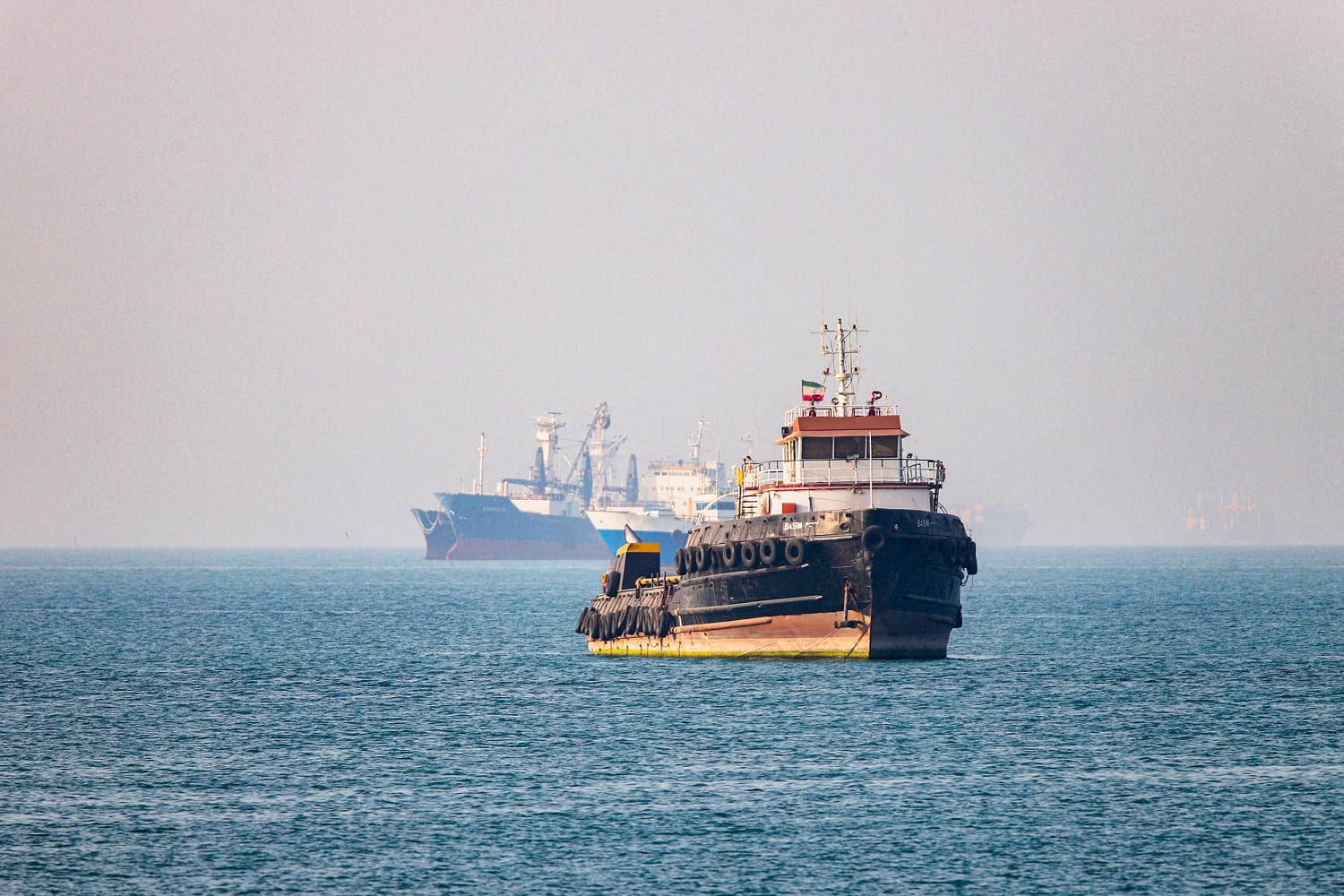
The competitor article ignores the "Grey Market." Iran is already selling oil. They’ve been selling it to China for years through "ghost fleets" and ship-to-ship transfers in the middle of the ocean.
When a deal is signed, that oil doesn't "appear." It simply moves from the black market to the white market. The net increase in global supply is significantly lower than the headline numbers suggest because a large portion of that production is already being consumed.
We are talking about a bookkeeping change, not a physical revolution.
The Risks No One Mentions
Being a contrarian isn't about being a perma-bull. There are massive risks to this view, but they aren't the ones you see on the news.
- Global Recession: A true, deep global depression would destroy demand and send oil to $30. That is a real threat. A piece of paper from a diplomat is not.
- Technological Leap: If someone discovers a way to store electricity at scale for 1/10th the current cost of lithium-ion tomorrow, oil is dead. (Spoiler: No one is close).
- Total Capitulation: If the U.S. government decides to use the Strategic Petroleum Reserve until it’s bone dry to win an election cycle, prices will stay low artificially for a few months.
Stop Reading the Headlines and Start Reading the Balance Sheets
The "peace deal" is a distraction for the retail crowd. It’s a way for algorithms to trigger sell-offs so that institutional players can re-accumulate at a lower cost basis.
The world is hungry for energy. The population is growing. Emerging markets are industrializing. None of those people care about a nuclear non-proliferation treaty; they care about keeping the lights on.
The current price dip is a gift for anyone who understands that energy is the fundamental unit of civilization. You cannot print oil. You cannot tweet it into existence. And you certainly cannot replace it with a handshake between two governments that haven't trusted each other since the 1970s.
The deal will likely under-deliver, the production will lag, and OPEC+ will cut. By the time the mainstream media realizes the "plunge" was a head-fake, the price will be back in the triple digits.
Sell the news. Buy the reality.
Don't wait for the confirmation. By then, the opportunity will be priced in, and you'll be left holding the bag while the "insiders" move on to the next manufactured crisis.