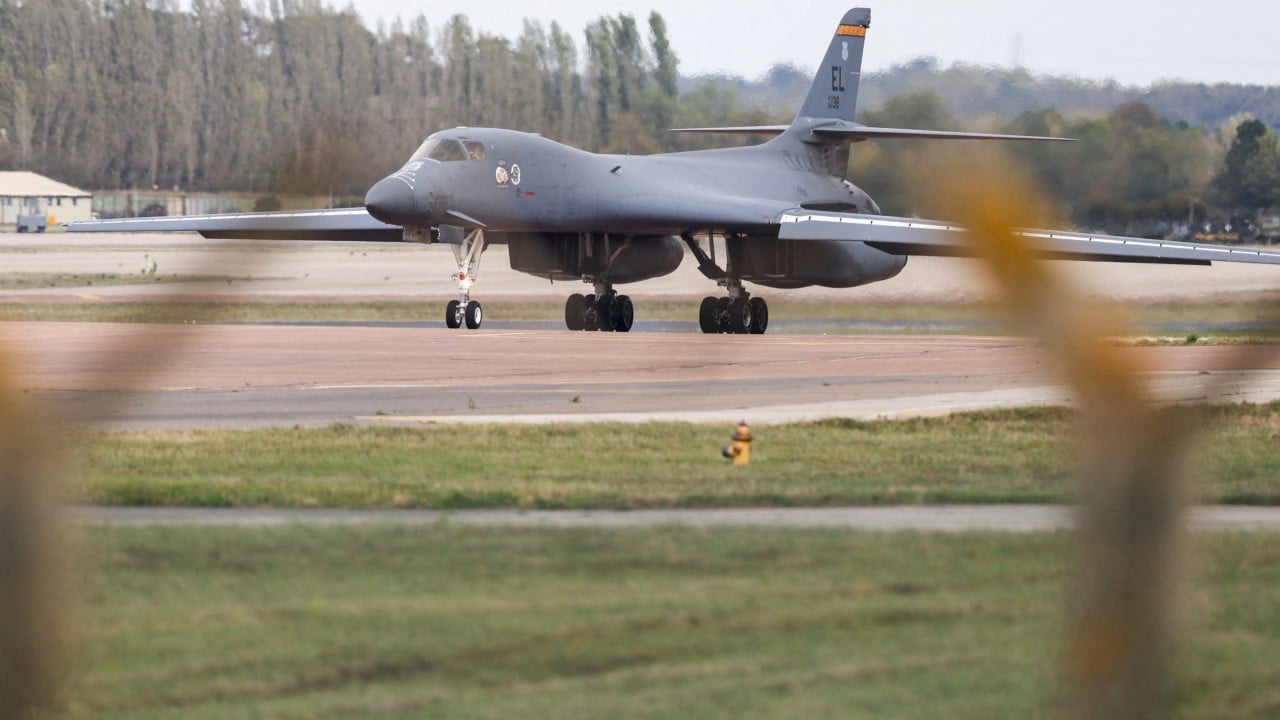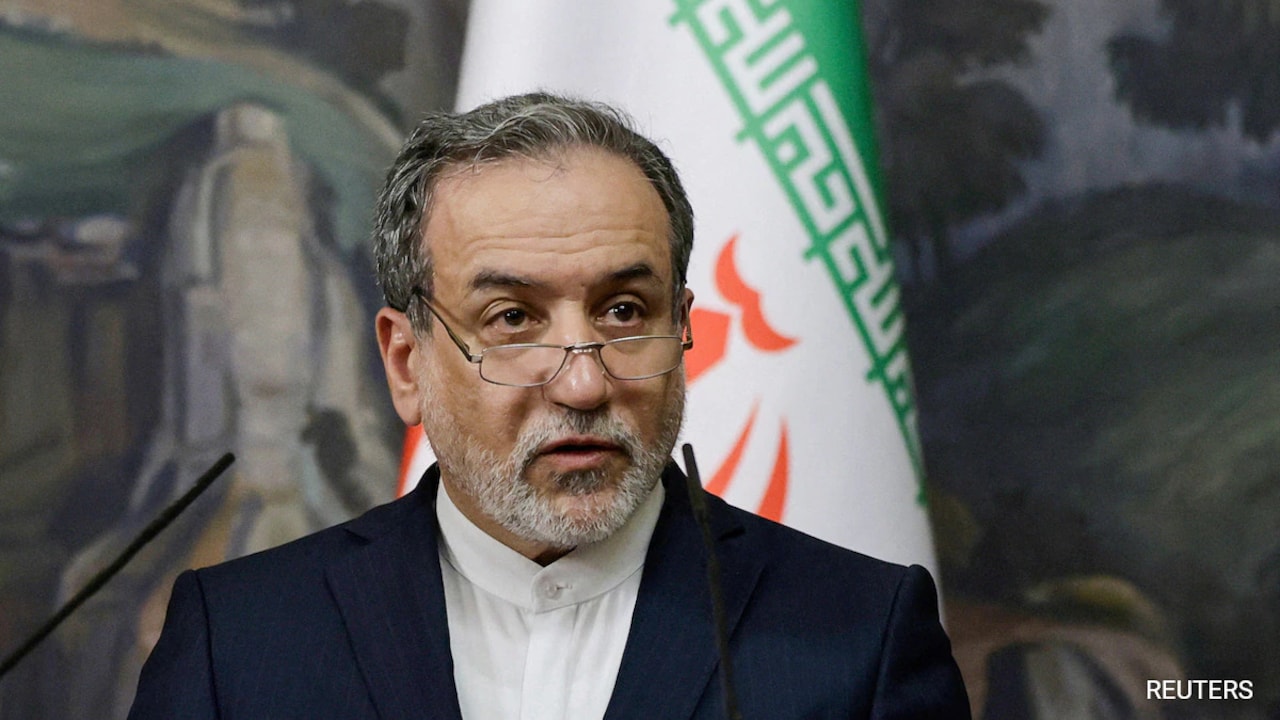
Tehran wants a ceasefire, just not on American terms. When Iranian officials urge Washington to "engage in diplomacy" and meet a specific list of demands to end the war, they are executing a calculated diplomatic gambit rather than signaling sudden capitulation. According to statements from Iranian leadership and reporting across international wire services, Tehran's core conditions center on an immediate halt to military strikes, the lifting of crushing economic sanctions, and formal guarantees against future regime-change operations. The fundamental friction lies in sequencing: Iran demands concessions before laying down arms, while the United States insists on verifiable de-escalation before offering relief.
To understand why these negotiations remain deadlocked, you have to look past the public posturing at the podium. Diplomatic rhetoric in the Middle East rarely reflects the actual bargaining table. Instead, public demands serve dual purposes—establishing an opening anchor for backchannel mediators in Oman or Qatar while reassuring hardline domestic factions that the leadership is not surrendering under fire.
The Anatomy of Tehran's Negotiating Playbook
Diplomacy under active military pressure follows a rigid, predictable script in the Islamic Republic. Whenever external force threatens the stability of the state, Tehran deploys what veteran regional analysts call "heroic flexibility"—a doctrine formally articulated by Supreme Leader Ali Khamenei during the 2013 nuclear talks, though its roots stretch back to Ayatollah Khomeini's acceptance of the 1988 ceasefire with Iraq.
The strategy operates on a simple premise. You never negotiate from a posture of visible weakness. By framing its willingness to talk as an ultimatum for Washington to meet specific demands, Tehran attempts to invert the power dynamic on paper, even when its military infrastructure is absorbing heavy kinetic damage.
Consider the structural components of Iran's typical pre-negotiation demands:
- Immediate Cessation of Hostilities: Tehran consistently demands a unilateral pause in American and allied military operations before formal talks begin, aiming to stop the degradation of its missile stockpiles, air defenses, and command-and-control networks.
- Sanctions Relief and Asset Unfreezing: Economic survival remains the regime's most acute vulnerability, making access to frozen foreign currency reserves and relief from secondary banking sanctions non-negotiable pillars of any settlement.
- Regional Non-Interference Guarantees: Iranian negotiators routinely seek explicit assurances that Washington will abandon efforts to isolate Tehran regionally or support internal opposition movements.
- Recognition of Sovereign Deterrence: Tehran refuses to put its domestic ballistic missile program on the bargaining table, viewing asymmetric warfare capabilities as the ultimate insurance policy against invasion.
Washington views these preconditions as non-starters. From the perspective of the White House and the Pentagon, agreeing to lift sanctions or halt military pressure upfront hands Tehran time to regroup, rearm its regional proxy network, and rebuild damaged facilities without offering verifiable security guarantees in return.
Why Washington and Tehran Cannot Agree on Sequencing
Every major diplomatic breakdown between the United States and Iran over the past four decades has ultimately tripped over the same wire: who moves first.
In classic international relations theory, mutually hurting stalemates produce negotiated settlements when both sides realize the cost of continued conflict exceeds the price of compromise. Yet in the U.S.-Iran dynamic, deep institutional distrust turns every preliminary step into an existential gamble. American policymakers point to the aftermath of the 2015 Joint Comprehensive Plan of Action (JCPOA), arguing that sanctions relief freed up capital that Tehran subsequently funneled into regional militias in Lebanon, Iraq, Syria, and Yemen. Conversely, Iranian officials point to the unilateral U.S. withdrawal from that exact agreement in 2018 as proof that Washington's word cannot be trusted across presidential administrations.
This mutual skepticism creates a verification trap. If the United States lifts sanctions first, it loses its primary non-military lever of coercion immediately, while Iran's compliance can be reversed within months. If Iran dismantles its forward military posture or halts regional operations first, it exposes itself to potential regime-change pressure without any guarantee that Congress or a future White House will actually deliver economic relief.
The Economic Reality Driving the Diplomatic Push
Behind the defiant speeches about meeting demands lies an economy stretched to its absolute breaking point. Years of maximum-pressure sanctions, compounded by the immense financial drain of active warfare, have hollowed out Iran's domestic purchasing power.
Inflation has persistently hovered above 40 percent in recent years, eroding the savings of the urban middle class and fueling sporadic, widespread domestic protests. The Iranian rial has suffered catastrophic devaluation, making basic imports—from industrial machinery to specialized pharmaceuticals—prohibitively expensive. Oil exports, the lifeblood of the state budget, rely heavily on discounted sales through complex shadow-fleet networks primarily destined for Asian refineries, yielding far less revenue than open-market rates would provide.
War accelerates this fiscal bleed. Replacing intercepted drones, expended ballistic missiles, and destroyed radar installations requires hard currency that the Central Bank of Iran simply does not possess in abundance. When Iranian diplomats call on Washington to engage in diplomacy, they are racing against an internal economic clock. The leadership knows that prolonged military conflict risks triggering severe domestic unrest that security forces may struggle to contain alongside external threats.
The Domestic Tightrope in Both Capitals
Neither side negotiates in a political vacuum. Both the White House and the leadership in Tehran are constrained by fierce internal politics that punish any hint of unilateral concession.
In Tehran, power is fractured across competing centers of authority. While the foreign ministry and pragmatic technocrats understand the urgent need for economic normalization and diplomatic off-ramps, the Islamic Revolutionary Guard Corps (IRGC) wields decisive influence over national security and regional strategy. Any diplomatic outreach must be carefully calibrated so it does not alienate the IRGC's hardline base or signal vulnerability to domestic critics. Calling on Washington to "meet its demands" allows Iranian diplomats to pursue a ceasefire while maintaining an aggressive public posture acceptable to security hardliners.
Washington faces its own political constraints. Successive American administrations have faced intense bipartisan scrutiny regarding any engagement with Tehran. Critics in Congress routinely argue that negotiating with Iran while its forces or regional proxies remain active rewards aggression and undermines deterrence. For a sitting U.S. president, accepting Iranian preconditions to end a conflict carries severe political risk, opening the administration to charges of appeasement from domestic opponents and unsettling key regional allies like Israel and the Gulf Arab states.
What Happens When Public Demands Meet Backchannel Reality
History shows that the loudest public ultimatums often precede quiet, pragmatic compromises behind closed doors. During the 1980–1981 hostage crisis, public rhetoric from Tehran demanded massive financial transfers and sweeping political apologies before releasing American diplomats; the final Algiers Accords quietly settled financial claims through international arbitration tribunals without the dramatic political concessions originally demanded. Similarly, secret backchannel talks in Muscat, Oman, laid the groundwork for the 2015 nuclear deal long before either government publicly softened its official talking points.
If a viable off-ramp emerges from the current crisis, it will not look like Washington publicly capitulating to Tehran's list of demands, nor will it look like Iran surrendering unconditionally. Instead, experienced diplomats look for incremental, synchronized steps brokered by third-party intermediaries—such as localized de-escalation zones, quiet maritime ceasefires in critical waterways like the Strait of Hormuz, or humanitarian exemptions tied to verifiable pauses in military strikes.
Until both capitals find a mechanism to synchronize those first steps without losing face at home, the war of words will continue alongside the kinetic conflict, leaving regional stability hanging on the fragile threads of backchannel diplomacy.