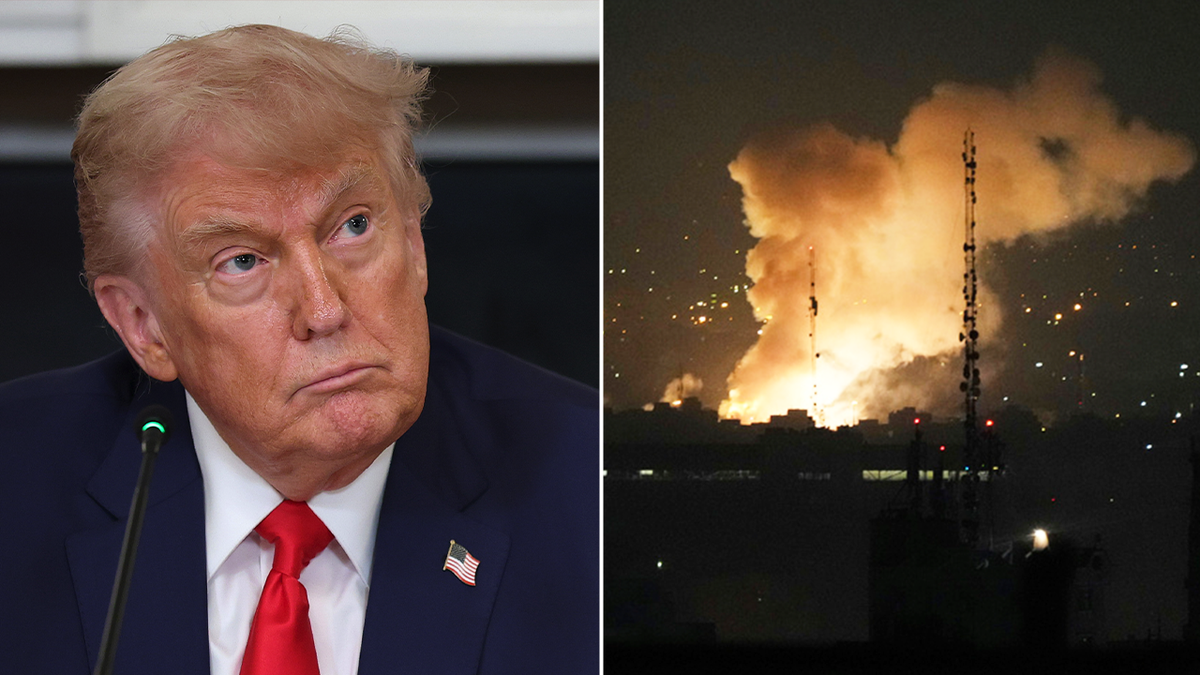
Donald Trump’s recent claims that the Iranian government is "seriously fractured" didn't sit well in Tehran. In fact, they triggered a sharp, public rebuttal that basically calls the U.S. President a liar. Iranian officials didn't just disagree; they accused him of weaving a narrative out of thin air to suit his own political agenda. This isn't just a war of words. It’s a sign that the bridge between Washington and Tehran hasn't just burned—it’s been vaporized.
Tehran Calls Out Trump for Weaving Lies
The Iranian Foreign Ministry isn't mincing words right now. After Trump suggested that Iran's leadership is falling apart under the weight of U.S. sanctions and internal dissent, Tehran fired back with a heavy dose of skepticism. They’re calling these claims "pure imagination" and "hallucinations." Honestly, this is classic geopolitical theater, but with much higher stakes.
Iranian spokesperson Abbas Mousavi took the lead on this. He pointed out that Trump’s habit of using Twitter to dismantle foreign governments rarely matches the reality on the ground. According to the Iranian side, the "fractured" leadership Trump describes is actually a unified front against what they call "economic terrorism." They think Trump is trying to project his own internal political struggles onto them. It’s a bold move.
The Iranian leadership knows that Trump relies on a "maximum pressure" campaign. By claiming they’re falling apart, Trump tries to justify that the sanctions are working. Iran’s strategy is simple: deny everything, show strength, and wait him out. They want the world to see a stable Iran, even as the rial struggles and the oil exports drop. It’s about optics as much as it’s about power.
Why the Fractured Narrative Fails to Stick
To understand why Iran is so annoyed, you have to look at how they view their own internal structure. Is there tension? Sure. There's always friction between the hardliners and the "moderates" led by President Hassan Rouhani. But "fractured" implies a total breakdown of the system. That's a huge stretch.
Most analysts who actually spend time studying the Islamic Revolutionary Guard Corps (IRGC) and the clerical establishment know that pressure from the outside usually has the opposite effect. It forces these groups to huddle together. When Trump says they're falling apart, he’s actually giving them a common enemy to rally against. It’s the oldest trick in the book for a regime under fire: point at the guy in the White House and tell the people that he’s the reason they can’t buy bread.
Trump’s claims often cite "intelligence reports," but we’ve seen this movie before. Intelligence is frequently filtered through a political lens. If you want to see a fractured Iran, you’ll find evidence for it. If you want to see a resilient Iran, you’ll find evidence for that too. Right now, the Iranian government is using Trump’s own rhetoric to prove to their citizens that the U.S. isn't interested in diplomacy, only in regime change.
The Reality of Maximum Pressure on the Ground
Let’s be real about the sanctions. They're hitting hard. You can’t cut off a country’s main source of income—oil—and expect everything to be fine. Inflation in Iran has spiked, and the middle class is feeling the squeeze. But does a bad economy mean a fractured leadership? Not necessarily.
I’ve seen plenty of countries endure decades of economic misery without the government collapsing. Look at Cuba or North Korea. Iran has a very sophisticated security apparatus designed specifically to prevent the kind of "fracture" Trump is talking about. The IRGC isn't just a military; it’s a massive business conglomerate. They have a vested interest in keeping the current system alive because they own a huge chunk of it.
The Misconception of Public Protests
People often point to the protests in Iran as proof of a crumbling state. It’s true that Iranians are frustrated. They’ve taken to the streets over fuel prices and government mismanagement. But don't confuse popular anger with a split in the ruling elite. The guys at the top might argue about how to fix the economy, but they’re not about to hand over the keys to the kingdom just because Trump says they’re divided.
Tehran views these protests as an internal matter exacerbated by foreign interference. By labeling Trump’s claims as "lies," they’re telling their own people that the West is actively trying to destabilize their homes. It’s a powerful narrative that works better than most Westerners realize.
Trump and the Art of the Geopolitical Deal
Trump’s approach to Iran is consistent with his approach to everything: talk big, apply pressure, and wait for the other side to buckle so he can swoop in for a deal. The problem is that Iran doesn't play by those rules. They have a long memory. They remember the 1953 coup. They remember the Iran-Iraq war. They don't see Trump as a businessman; they see him as another American leader trying to dictate their destiny.
The "fractured" comment was likely intended to embolden Iranian protesters and rattle the leadership. Instead, it seems to have just hardened Tehran's resolve. Foreign Minister Javad Zarif has been vocal about this, essentially telling the U.S. to look in the mirror before talking about leadership crises. He often brings up the chaos in U.S. domestic politics as a counter-punch. It’s messy, and it’s not getting better anytime soon.
Moving Beyond the Rhetoric
If you're looking for a peaceful resolution, this isn't it. The current cycle of "he said, she said" only serves to increase the risk of a miscalculation in the Persian Gulf. When both sides stop talking and start shouting accusations of lying and fracturing, the space for diplomacy shrinks to zero.
Iran is waiting for the U.S. to return to the JCPOA (the nuclear deal) before they even consider a conversation. Trump wants a new, broader deal that covers their missile program and regional influence. They’re at a total stalemate. The "lies" accusation is just the latest brick in the wall.
Keep an eye on the internal Iranian elections and the IRGC's movements. That’s where the real story is. Ignore the Twitter spats and the grandstanding at the UN. If the Iranian leadership were truly fractured, you’d see it in the way they handle the Strait of Hormuz or their proxy networks in Lebanon and Yemen. So far, those operations remain as coordinated as ever.
Stop expecting a sudden collapse of the Iranian state based on White House briefings. Instead, watch the price of oil and the diplomatic moves of Europe and China. Those are the players that actually have the leverage to change the dynamic. For now, expect more "hallucinations" and "lies" to be traded back and forth across the Atlantic. The status quo is a stalemate, and both sides seem weirdly comfortable staying right where they are.