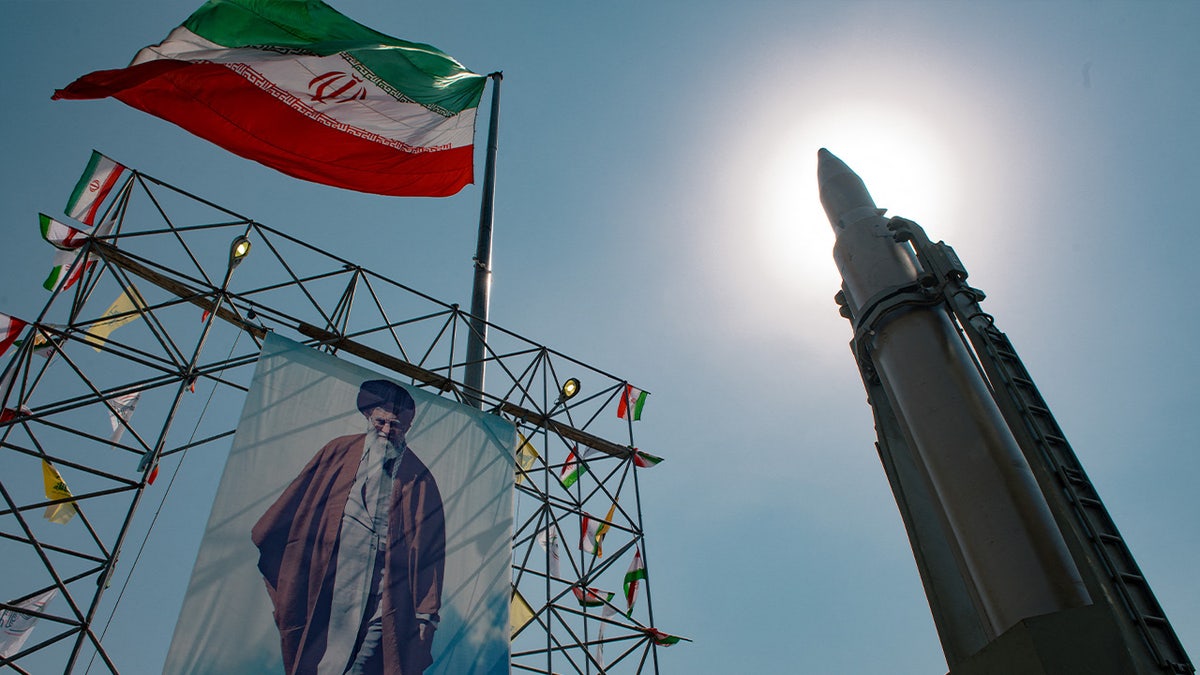
Don’t let the headlines about a "decapitated" Iranian leadership fool you. Even after the heavy losses of Operation Epic Fury in February, the Islamic Revolutionary Guard Corps (IRGC) isn't backing down. They’re back at it with a fresh round of threats, claiming they’ll "burn US warships" if the American naval presence in the Persian Gulf continues to squeeze their economy.
It’s easy to dismiss this as empty talk from a bruised military, but that would be a mistake. The IRGC has spent decades preparing for exactly this kind of lopsided fight. They aren't trying to win a traditional naval battle; they're trying to make the cost of staying in the Gulf so high that the US eventually leaves.
The Reality of Asymmetric Warfare in the Strait
The IRGC knows it can’t go toe-to-toe with a US carrier strike group in open water. That’s why they focus on "swarming" tactics and suicide sea drones. While President Trump recently claimed the Iranian Navy is "largely destroyed," the IRGC’s specialized naval branch operates differently. They rely on hundreds of small, fast, and heavily armed boats that are incredibly hard for large destroyers to track and hit all at once.
The threat to "burn" ships isn't just poetic. It refers to the use of:
- Zulfiqar-class speedboats equipped with anti-ship missiles.
- One-way "suicide" drone boats packed with explosives.
- Advanced sea mines designed to disable hulls in the shallow, narrow waters of the Strait of Hormuz.
Why This Threat Hits Differently in 2026
The current crisis is far more dangerous than the typical saber-rattling we saw in the 2010s. Since the US and Israel launched strikes on February 28, 2026, which resulted in the death of Supreme Leader Ali Khamenei, the IRGC has been operating under a "nothing to lose" mentality.
Right now, the Strait of Hormuz is effectively a "dual blockade" zone. The US Navy is trying to stop Iranian oil from leaving, and the IRGC is trying to stop everyone else’s oil from leaving. This has sent global energy prices into a tailspin. If you’ve noticed your gas prices spiking this week, this is why. Roughly 20% of the world’s oil flows through that narrow gap between Iran and Oman. When the IRGC threatens to "burn" ships, they’re threatening the global economy, not just the US Navy.
The "Quiet Death" of the IRIS Dena
A lot of people missed the significance of the sinking of the IRIS Dena off the coast of Sri Lanka on March 4. The US used a submarine to take it out with a torpedo—what Defense Secretary Pete Hegseth called "quiet death."
This was a clear message from the Pentagon: We can see you anywhere, even 2,000 miles from your coast. But instead of backing off, the IRGC responded by seizing commercial tankers and ramping up the rhetoric. Honestly, it’s a cycle of escalation that doesn't have an easy exit ramp. The IRGC has already claimed to have hit a US oil tanker, the Louis P, and they’re showing no signs of slowing down despite their heavy hardware losses.
The Human and Economic Toll
We’re not just talking about ships and missiles. There are real lives at stake.
- Over 2,000 sailors are currently stranded in the Persian Gulf because of the IRGC’s closure of the Strait.
- Shipping firms have largely suspended operations, with traffic dropping nearly to zero in late March.
- US weaponry stockpiles are being drained at an alarming rate to maintain the blockade and protect allies.
The IRGC is betting that the US will blink first. They think that as American consumers feel the pinch at the pump and the military gets stretched thin between the Middle East and other global hotspots, the political will in Washington will crumble.
What Happens if the Ceasefire Fails
The fragile truce that started in early April is hanging by a thread. Both sides are accusing each other of violations. The US just moved a third aircraft carrier strike group into the region—the biggest buildup since 2003.
If the IRGC actually attempts to follow through on its threat to "burn" a US destroyer or carrier, the response won’t be "proportional." It’ll be total. We’re looking at the potential destruction of Iran’s entire civilian infrastructure, something the White House has already hinted at.
If you’re tracking this for business or travel, keep a close eye on the maritime insurance markets. Most insurers have already dropped "war risk" protections for the Gulf. That’s usually the first sign that the experts on the ground expect things to get much worse before they get better. Stay clear of the region if you can, and prepare for continued volatility in energy and shipping costs through the summer.