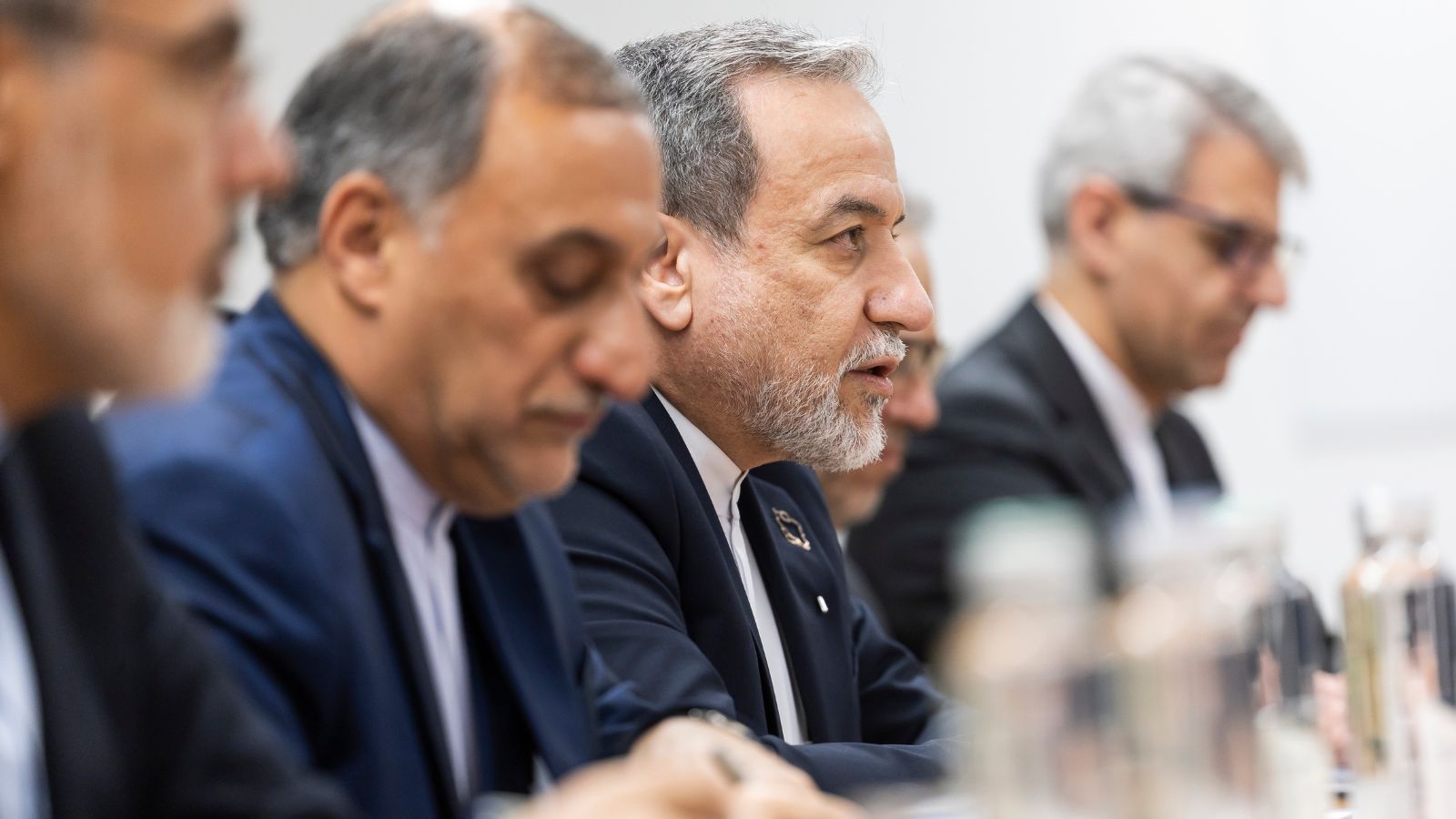
Geopolitics is a theater of the absurd where the script is written for the masses and the real business happens in the wings. When Tehran’s foreign ministry issues a stiff-necked "no meeting is planned" regarding direct talks with the U.S. in Islamabad, the mainstream press eats it up as a sign of frozen relations. They’re looking at the wrong map.
The "lazy consensus" dictates that because there is no handshake on a podium, there is no progress. This logic is a relic of 20th-century diplomacy. In the modern era, "direct talks" are an outdated KPI. If you’re waiting for a summit in Islamabad to signal a shift in the Middle East, you’ve already missed the trade. The denial itself is the most reliable indicator that the backchannel is white-hot.
The Proxy Paradox
The diplomatic press treats Pakistan as a mere "messenger." This is a fundamental misunderstanding of regional leverage. Pakistan isn't a postman; it’s a clearinghouse. When Iran asserts they will engage "via Pakistan," they aren't avoiding the U.S. They are utilizing a structured buffer that allows both sides to trade concessions without the political suicide of a public photograph.
I’ve watched analysts waste years waiting for "rapprochement" while ignoring the tactical synchronization happening on the ground. Think of it like a high-stakes corporate acquisition where the CEOs claim they aren't talking while their legal teams are literally sharing a suite at the Four Seasons. The public denial is the "Non-Disclosure Agreement" of the geopolitical world.
Why the "Direct" Label is a Trap
The obsession with "direct talks" ignores the reality of internal Iranian politics and the U.S. election cycle. For the Biden administration, a direct photo-op with Iran is a domestic liability. For Tehran, it’s a betrayal of the revolutionary hardliners.
- The Deniability Dividend: By using Islamabad as a conduit, both parties maintain "strategic ambiguity."
- The Verification Loop: Third-party mediation allows for a "trust but verify" framework that direct emotional engagement often ruins.
- The Quiet Earn-Out: Specific concessions—sanctions waivers for oil debt, prisoner swaps, or regional de-escalation—are easier to bake into the cake when the public thinks nothing is happening.
The Myth of the Frozen Conflict
Stop asking when the "freeze" will end. The conflict isn't frozen; it’s being managed with surgical precision. The competitor article frames the lack of a meeting as a stalemate. It isn't. It’s a deliberate pacing mechanism.
In the world of high-stakes negotiation, silence is a tool, not a void. When Iran says "no meeting is planned," they are technically telling the truth. You don't "plan" a meeting that is already effectively happening through intelligence channels, digital signaling, and Swiss-brokered document exchanges.
The Logistics of Shadow Diplomacy
Let’s dismantle the "no contact" fantasy. We are talking about two nations whose interests overlap in more ways than their rhetoric admits. From the security of the Strait of Hormuz to the stability of the Afghan border, the technical-level coordination is constant.
- Technical Committees: Civil servants and military attaches don't stop working because a minister says "no."
- The Energy Arbitrage: Despite the headlines, Iranian molecules find their way into global markets. This requires a level of tacit understanding between Treasury officials and regional hubs that "direct talks" would only complicate.
- The Omani/Qatari/Pakistani Circuit: These aren't just mediators. They are the infrastructure.
The Failure of "People Also Ask" Logic
If you search for "Will the US and Iran talk?", you get answers focusing on the JCPOA or nuclear enrichment levels. This is the wrong lens. The nuclear issue is a scoreboard, not the game itself. The real game is regional hegemony and economic survival.
People ask: "Why won't Iran talk to the U.S. directly?"
The brutal truth: Because they don't have to.
They are getting what they need—slow-drip sanctions relief and regional influence—without the domestic cost of "submitting" to Washington. Conversely, the U.S. gets to claim it is "holding the line" while avoiding another hot war in the Middle East. The status quo of "no direct talks" is actually the most profitable outcome for the leadership on both sides. It keeps the hawks at home fed and the actual business moving.
The Islamabad Red Herring
Choosing Islamabad as the site for this "non-meeting" is a masterclass in distraction. Pakistan is currently juggling its own economic crisis and a delicate balancing act with Beijing. By floating Islamabad as a potential site and then "denying" it, Iran signals to China that it remains an independent actor while signaling to the West that the door is ajar—but only if you know how to knock.
I've seen diplomats spend months arguing over the shape of a table while the real deal was signed on a napkin in a hotel bar three weeks prior. The Islamabad "denial" is the table. The "via Pakistan" engagement is the room.
The Real Metrics to Watch
If you want to know what’s actually happening, ignore the foreign ministry spokespeople. Watch these three indicators instead:
- South Asian Port Traffic: Increased coordination in Gwadar or Chabahar.
- Currency Fluctuations: Watch the Rial’s movement in unofficial markets immediately following these "denials."
- The Frequency of "Indirect" Statements: The more often a country insists they aren't talking, the closer they are to a deal.
Tactical Reality Check
The "contrarian" take isn't that a deal is coming. It's that the deal is already in motion, and "direct talks" would actually ruin it. Transparency is the enemy of progress in the Middle East. If you want results, you want shadows.
The competitor article wants you to believe there is a wall between Washington and Tehran. I’m telling you there’s a revolving door, and Pakistan is just the security guard holding it open.
Direct talks are for the ego. Indirect engagement is for the win.
Stop waiting for the handshake. Start watching the money and the munitions. That’s where the real conversation is happening.
The most effective way to communicate with an enemy is to pretend you aren't talking at all. Everyone in the room knows the "no meeting" headline is a lie. The fact that they are both willing to tell the same lie at the same time is the first sign of a successful negotiation.