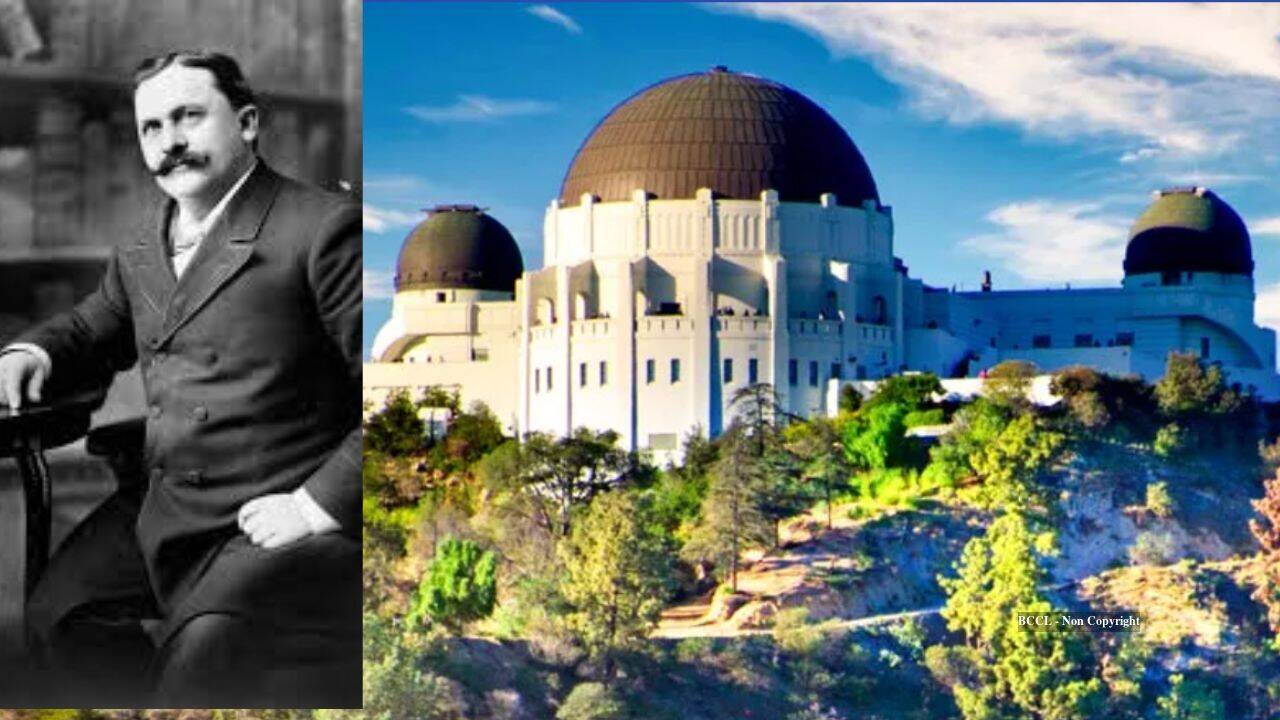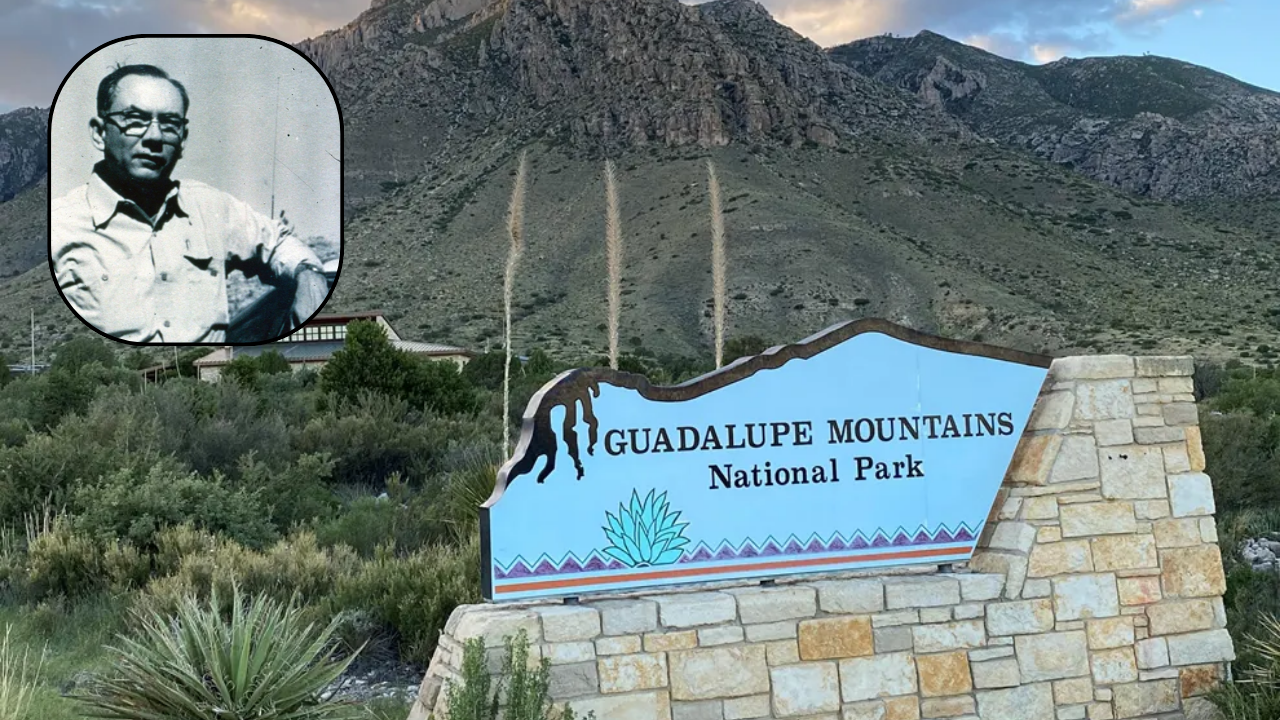
Real estate history is full of bad trades. People sell too early. They panic. They take cash when they should hold dirt. But the story of J.C. Hunter and his massive West Texas ranch lands hits different. Back in 1934, amidst the economic wreckage of the Great Depression, Hunter offered a staggering 43,200 acres for just $237,600. That breaks down to about $5.50 an acre.
Thirty-five years later, that exact property flipped for $1.5 million.
Most people look at numbers like that and groan. They think about missed fortunes. They sigh at the cruelty of timing. You're probably sitting there doing the math in your head. It hurts. Yet, blaming Hunter for a bad deal misses the real point entirely. Markets change. Cash flow matters more than acreage when the bank is breathing down your neck. If you want to understand how land values actually move over decades, you have to look past the headline numbers and study the actual mechanics of long-term asset holding.
The Brutal Reality of 1934 Economics
We forget how tight money was back then. Banks weren't handing out loans. They were closing their doors. If you owned land in the 1930s, you owned an asset that couldn't buy you a loaf of bread if nobody had cash to trade. J.C. Hunter wasn't stupid. He was practical.
Liquidity is oxygen. When cash dries up, land becomes an anchor rather than a ship.
Think about what $237,600 meant during the Depression. That wasn't pocket change. It was a lifeline. People lose fortunes today because they hold out for a peak that never arrives while their overhead eats them alive. Hunter needed to move. He needed to survive. Survival always beats speculation. If you hold a multi-thousand-acre ranch and you can't pay the taxes or service your debts, the title deed is just expensive wallpaper.
Why Long-Term Land Value Defies Intuition
Land doesn't appreciate in a straight line. It stays flat for decades and then explodes when infrastructure, oil, or urban sprawl finally catches up to it. The person who buys the dirt usually makes the modest gains. The person who holds it through the awkward middle phase takes the punishment.
Here is what most investors misunderstand about historical land flips.
- Inflation does heavy lifting: Thirty-five years of currency devaluation changes what a million dollars actually buys.
- Scarcity compounds silently: Nobody is making more West Texas dirt. Every year that passes makes large contiguous tracts harder to assemble.
- Carrying costs drain margins: Property taxes, fence maintenance, and liability insurance bleed your returns long before you ever see a payout.
When that ranch sold for $1.5 million later on, the new owners weren't just buying dirt. They were buying a consolidated piece of geography that took decades to become rare. Hunter provided the raw assembly. Someone else collected the maturity dividend.
The Cost of Selling Too Soon
We love stories of generational wealth built on diamond-hands holding strategies. We ignore the graveyard of people who held onto worthless assets until they went bankrupt. Hunter's sale teaches a harsh lesson about timing and risk tolerance.
You can't eat potential equity.
If you're looking at property investments today, stop obsessing over what a parcel might be worth in the year 2060. Ask yourself if you can survive the next thirty-six months without selling at a loss. If the answer is no, your timeline is broken. Hunter let go of 43,200 acres because his present demanded it.
Look at your own portfolio right now. Are you holding something just because you're afraid of missing out on a future spike, while it drains your daily capital? Evaluate your assets based on current cash requirements, not romantic historical regrets. Real estate rewards patience, but only if you have the staying power to outlast the bad years.