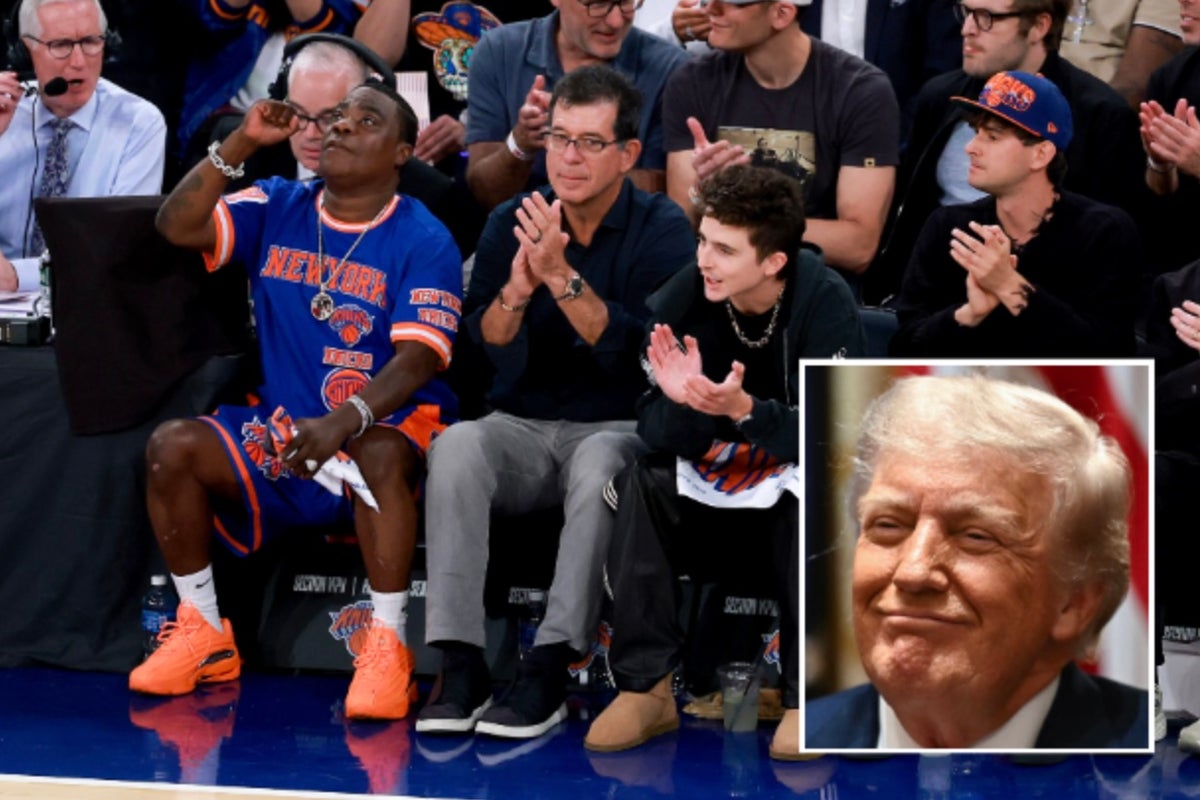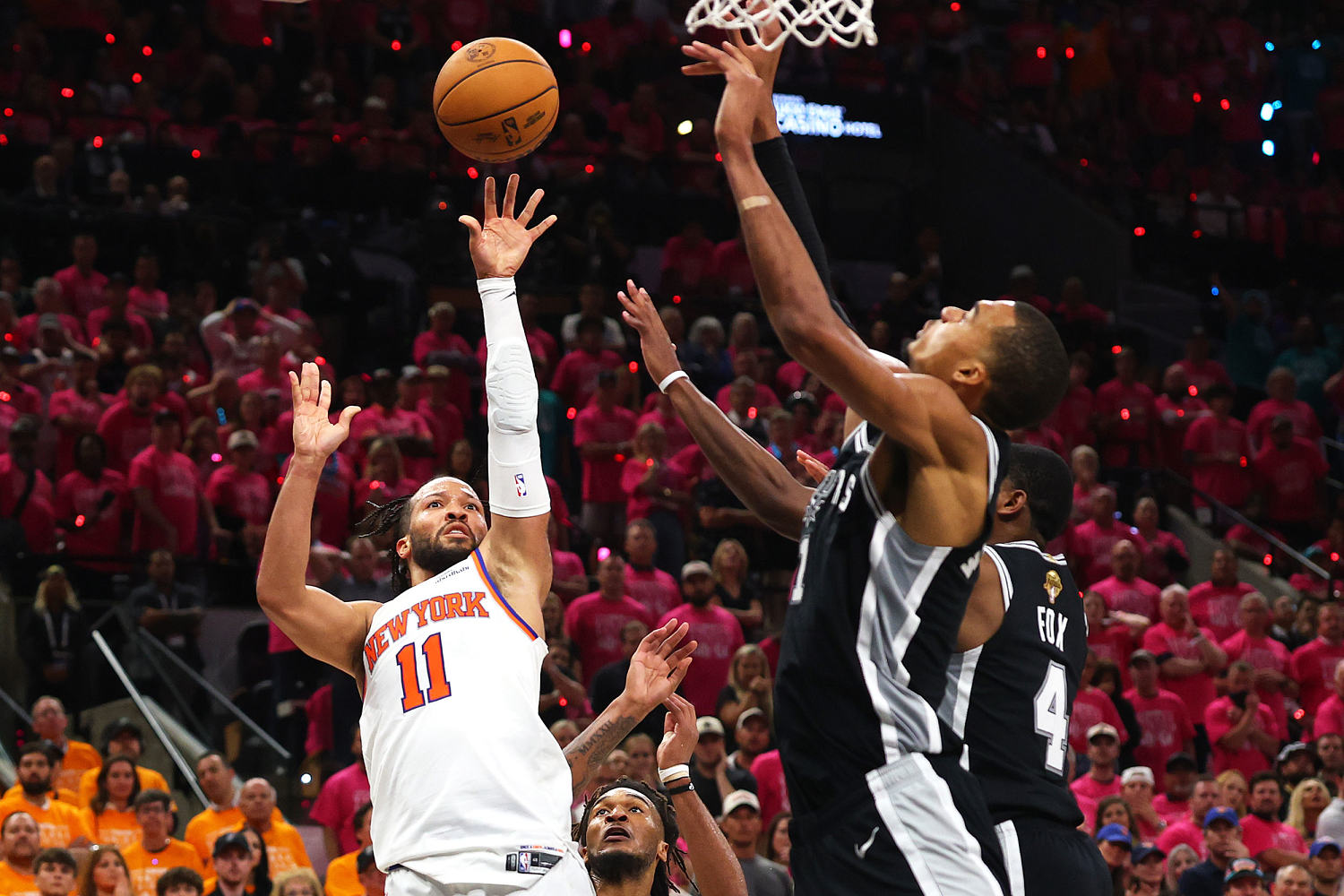
The modern sports media apparatus thrives on a simple, comforting narrative: the lone warrior, the cold-blooded assassin, the "Captain Clutch" who single-handedly carries a franchise across the finish line. Following Game 1 of the New York Knicks' playoff series, the press boxes chanted in unison, crowning Jalen Brunson as the latest deity in this pantheon of isolation basketball. They pointed to the fourth-quarter point totals, the contested mid-range jumpers, and the theatrical fist pumps as definitive proof of superstar transcendence.
They are selling you a lie.
What the consensus labeled a masterclass in clutch execution was actually a terrifying symptom of systemic offensive fragility. The narrative that Brunson "iced" the game obscures a much darker reality for New York. Relying on high-usage, isolation-heavy hero ball in the postseason is a statistical death sentence. It feels good in the moment. It makes for great television. But it is fundamentally broken basketball that historically collapses long before the Conference Finals.
We need to stop pretending that grinding an offense to a halt so one guy can hunt tough twos is a sustainable championship strategy. It isn’t. It’s a trap.
The Cold Math of the Mid-Range Obsession
Let’s dismantle the "clutch" performance using tracking data rather than raw emotion. When the game tightens in the final six minutes, the Knicks’ offensive menu shrinks to a single item: the Brunson high pick-and-roll or straight isolation.
On paper, the results look heroic when the shots fall. But look closer at the shot quality. Brunson is generating an Expected Shot Quality (xSQ) that ranks in the bottom percentile of playoff shot-creators. He is making highly contested, off-balance, mid-range pull-ups.
In basketball, there is a massive difference between a repeatable process and a hot shooting night. Relying on a 6-foot-2 guard to consistently convert heavily contested floater-range looks against length is a losing proposition over a seven-game series.
- The Efficiency Illusion: A 45% shooting night on heavy isolation looks looks great on a box score. But it yields roughly 0.90 points per possession (PPP). In the modern postseason, elite offenses need to push past 1.15 PPP to survive.
- The Fatigue Factor: Carrying a usage rate north of 40% in the first three quarters drains the legs. By the time the fourth quarter peaks, that short-range push shot starts hitting the front rim.
- The Defensive Adjustment: Elite coaching staffs do not get beat by the same trick four times. They adjust their drop coverage, send late help from the weak side, and force the ball out of the star's hands. If the rest of the roster has spent 42 minutes standing in the corners watching the show, they will not be ready to hit the catch-and-shoot looks when the trap finally comes.
I have spent years analyzing playoff shot charts, and the data is unforgiving. Teams that rank in the top third of playoff isolation frequency almost never lift the Larry O'Brien trophy. The Golden State Warriors won championships by weaponizing movement. The Denver Nuggets won through relentless, read-and-react synergy between Nikola Jokic and Jamal Murray. Even LeBron James’ most dominant teams prioritized paint touches and kick-outs over stagnant isolation. The Knicks are running an offense built for 2001, expecting it to win in the modern era.
Why People Also Ask the Wrong Questions About Playoff Basketball
Look at any sports forum or search engine during the playoffs, and you will see variations of the same flawed question: Is Jalen Brunson a top-five playoff closer?
This question is fundamentally broken because it values the aesthetic of the shot over the efficiency of the offense. We worship the player who hits a contested fadeaway over two defenders while ignoring the player who makes the extra pass to generate a wide-open corner three. The latter is objectively better basketball, but it doesn't get a nickname like "Captain Clutch."
Another common question: Can the Knicks win a title with Brunson as their number one option?
The answer is yes, but only if they completely redefine what it means to be a "number one option." Being the primary option cannot mean monopolizing the basketball for 20 seconds of every possession. It must mean acting as the initial domino that collapses the defense to create advantages for others. Right now, Brunson is playing like a finisher rather than a creator, even when his assist numbers look decent on paper. The assists are often late-clock bailouts rather than intentional, rhythm-generating passes.
The Hidden Cost of Stagnant Offense
When one player dominates the ball to this extent, it inflicts a hidden tax on the rest of the roster. Basketball is a game of rhythm and psychological engagement. Human beings do not defend with the same intensity when they are completely excluded from the offensive side of the floor.
Imagine a scenario where Josh Hart, Donte DiVincenzo, and OG Anunoby spend five consecutive possessions sprinting to the corners, spacing the floor, and watching Brunson dance at the top of the key. They don’t touch the ball. They don’t register a pass. Then, a turnover happens, and they are expected to sprint back in transition and play lockdown, elite defensive possessions.
It defies human psychology.
The Knicks' identity is built on grit, offensive rebounding, and defensive execution. But that defensive intensity is directly fueled by offensive connectivity. When the offense turns into a one-man monologue, the defensive shell inevitably starts to crack. Players miss rotations by half a second. They don't block out with the same ferocity. The "grit" vanishes because the collective ownership of the game has been stripped away.
The Anatomy of an Isolation Collapse
| Metric | Flow Offense (Early Game) | Hero Ball (Clutch Time) |
|---|---|---|
| Passes Per Possession | 4.2 | 1.8 |
| Average Touch Time | 2.4 seconds | 6.1 seconds |
| Potential Assists | 12.0 | 3.0 |
| Contested Shot % | 32% | 68% |
This table illustrates the stark transition that occurs when the Knicks pivot from their standard operating procedure to the Brunson-centric isolation package. The ball stops moving, the touch time triples, and the shot quality plummets. This isn't "icing" the game; it is surviving an offensive trainwreck through sheer individual talent. Survival is not a strategy.
The Counter-Intuitive Blueprint for Real Success
If New York wants to make a legitimate run at a championship, they must intentionally diminish the aesthetic brilliance of Jalen Brunson. They need less heroism and more automation.
First, the ball must change sides of the floor within the first six seconds of the shot clock. Brunson is deadly when he attacks a shifting defense that is already recovering from a previous action. He is far less effective when he has to break down a set, five-man wall that has been staring at him for ten seconds.
Second, Tom Thibodeau must implement strict "second-side" actions in the fourth quarter. If the initial Brunson pick-and-roll does not yield an immediate advantage, the ball must be swung to the weak side for a secondary drive-and-kick. This keeps the defense moving, forces weaker perimeter defenders into help positions, and opens up the offensive glass for Mitchell Robinson or Isaiah Hartenstein to dominate.
The downside to this approach is obvious: it will lead to more turnovers in the short term. It requires players with limited self-creation skills to make quick decisions under immense playoff pressure. It is terrifying to take the ball out of your best player's hands and trust a role player to make a read. But that is the exact tax every championship team has to pay. You either develop your role players' decision-making in the fires of the playoffs, or you watch your superstar burn out in the second round.
Stop celebrating the tough shots. Start worrying about why they have to be so tough in the first place. The Knicks do not need a hero. They need an offense.