Everyone is yelling about a bar card. They should be yelling about why a law school graduate who never passed a bar exam gets booked on cable news as an authority in the first place.
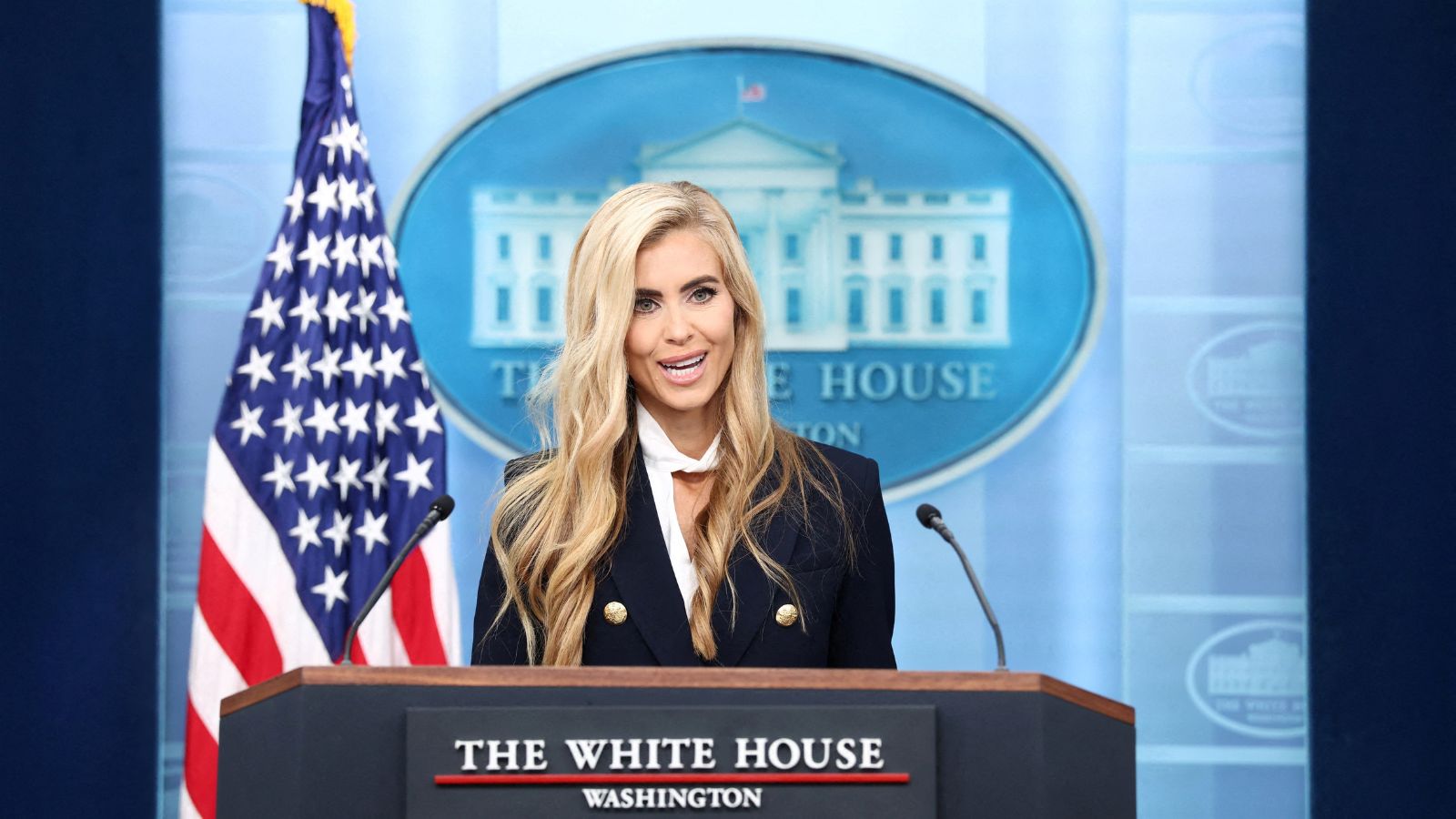
That is the lazy consensus surrounding the uproar over former White House press secretary Katie Zacharia. Standard coverage treats her brief October 2026 stint at the podium—five days in office, a single 15-minute briefing, a swift exit—as a straightforward story about credential inflation and an ethics complaint filed with the State Bar of California. One side treats calling yourself a lawyer without a license as a slam-dunk statutory crime. The other side shrugs, calls it political persecution, and points to a Juris Doctor from Pepperdine as proof enough.
Both sides are fighting yesterday's skirmish while ignoring the structural rot that put her on television in the first place.
The Bar Exam Obsession Is a Distraction
Let's get the terminology straight before anyone waves a statute book. A Juris Doctor, or J.D., is a graduate degree. Passing it makes you a law school graduate. It does not make you a lawyer, an attorney, or an attorney-at-law. Licensure—passing a state bar exam, clearing character and fitness review, and taking an oath—is what authorizes someone to practice law in a given jurisdiction.
In the United States, state bars exist primarily to protect the public from unqualified legal representation and unauthorized practice of law. Look at the facts that surfaced during the scrutiny of Zacharia: she earned her J.D. from Pepperdine in 2011, sat for the California bar exam, and did not pass. When pressed on where she was barred, she offered vague references to moving to China and working in international transactions, even though Chinese bar qualification rules are restricted to Chinese nationals. Meanwhile, social media bios and television appearances framed her as an attorney, prompting accountability groups to petition California regulators.
If you stop there, you get a neat morality play: ambitious operative stretches title, gets caught, gets booted after five days. Clean. Tidy. Forgettable.
Here is the contrarian truth: a bar license is a terrible proxy for public credibility, and the lack of one is rarely the reason a spokesperson flames out.
I have spent years watching organizations—corporate, nonprofit, and political—burn millions of dollars on communications hires and outside consultants who looked great on paper. I have seen companies hire general counsels who barely knew the business, and I have watched smooth talkers with pristine credentials bomb on live camera because they treated a press briefing like a friendly podcast. Credentials do not confer judgment. A bar number does not teach you how to handle a hostile room when Marine One is idling outside and a reporter asks a question you didn't rehearse.
Why Cable News Loves Unlicensed "Experts"
Ask yourself a basic question: why did producers put someone without an active U.S. law license on air to talk legal topics?
Because television does not select for legal precision. Television selects for certainty, camera presence, and ideological alignment.
Consider a thought experiment. Imagine a scenario where a media producer has two guests waiting in the green room:
- Guest A passed the bar twenty years ago, practices appellate law, and answers every question with caveats, jurisdictional footnotes, and "it depends on the circuit."
- Guest B holds a law degree, skips the footnotes, speaks in crisp declarative sentences, and tells the host's audience exactly what they want to hear.
Which guest gets booked next week? Guest B every single time.
The bar exam tests baseline competence to enter a regulated profession. It does not test whether someone understands geopolitical trade law, regulatory enforcement, or White House press mechanics. In fact, many licensed attorneys spend their careers doing narrow doc review, real estate closings, or compliance checklists—areas that give them zero insight into executive-branch messaging or international commercial risk.
Conversely, plenty of smart people work alongside lawyers, manage legal vendors, or coordinate outside counsel without holding a license themselves. When critics treat a bar omission as the original sin of Zacharia's five-day press secretary run, they miss the actual failure: putting an inexperienced spokesperson in the Brady Briefing Room with almost no runway and expecting magic.
The Real Failure Was Operational, Not Credentialary
Look at what actually happened during that five-day stretch in October 2026. A former communications adviser at the Department of Homeland Security and Trump Media and Technology Group stepped up to the White House podium for a brief session that drew criticism across the aisle and from media commentators alike. Within days, the credential controversy snowballed, a bar complaint landed, and her tenure ended faster than any press secretary in U.S. history—beating even the infamous brevity of Anthony Scaramucci's communications turn in 2017.
Heavy hitters in crisis communications—people like former White House press secretaries Joe Lockhart, Ari Fleischer, and Dee Dee Myers—have spent decades hammering home one rule: the press room is not a training ground. Even seasoned communicators with deep policy fluency and years of prep take bruises at that podium. Walking in cold, with thin institutional seasoning and an unvetted bio, is a recipe for humiliation.
Why did the vetting miss something as basic as bar admission before a high-profile appointment?
Because loyalty and speed often crowd out basic due diligence in fast-moving political orbits. When a leadership team prioritizes ideological alignment and rapid hiring over routine background checks, small discrepancies in a resume—calling yourself a lawyer after earning a J.D. without passing the bar—sit right out in the open until someone googles the bar directory.
Answering the Questions People Actually Search
When a story like this breaks, search engines fill up with the same predictable questions. Let's strip away the noise and answer them without euphemism.
Is calling yourself a lawyer without passing the bar illegal?
Usually, yes—if you cross the line into holding yourself out as authorized to practice law or actually practicing it without a license. State statutes vary, and bar regulators look closely at context, disclaimers, and whether a reasonable person would believe the speaker is licensed to represent clients in that jurisdiction. A social media bio or casual TV phrasing can trigger bar inquiries, even when no courtroom appearance ever occurred. That said, regulatory complaints are investigations, not automatic convictions, and plenty of bar inquiries go nowhere once facts are sorted out.
Does having a Juris Doctor mean someone is lying if they say they studied law?
No. Saying "I went to law school" or "I have a J.D." is factual if true. Saying "I'm a lawyer" or "I'm an attorney" when you never passed a bar exam is imprecise at best and misleading at worst. Precision matters in public life. If you didn't pass the bar, say you have a law degree or legal training. Don't borrow a title you didn't earn through licensure.
Why do public figures keep getting caught inflating credentials?
Because incentives reward it right up until the moment they punish it. In media ecosystems driven by clips and outrage, nobody checks a state bar database when booking a pundit for a three-minute segment. The risk only spikes when a person steps into a high-visibility role where opponents, journalists, and watchdog groups put every line of their history under a microscope.
Where My Contrarian Take Can Backfire
Let's be honest about the downside of arguing that bar credentials matter less than competence and candor.
If you downplay licensing rules too far, you give cover to genuine misrepresentation. Consumer protection laws and bar admission standards exist for a reason: the public deserves to know whether someone giving legal commentary or handling legal matters actually meets the baseline standards of the profession. When a public figure blurs the line between a law degree and an active law license, brushing it off as "just media theater" can look like excusing dishonesty.
There is also a second risk: over-indexing on "authenticity" or "scrappiness" can blind leaders to real governance gaps. A spokesperson doesn't need to try cases in federal court to brief reporters, yet accuracy, discipline, and truthfulness under pressure are non-negotiable. If you lose trust on a basic factual question—like your own professional credentials—every word you say from a podium gets discounted.
Unconventional Moves That Actually Work
If you run an organization, manage communications, or advise leaders in high-stakes environments, skip the performative outrage and take four practical steps:
- Audit titles like balance sheets. Before anyone takes a public-facing role, verify every degree, license, active standing, and prior title in writing. Fix sloppy bios before a journalist does it for you.
- Ban credential inflation in talking points. Train spokespeople to state exact qualifications plainly. "I have a law degree" invites zero gotchas; claiming a license you don't hold hands critics a loaded weapon.
- Test communicators under hostile pressure. Never let someone's first major briefing happen live in front of seasoned reporters. Run brutal mock sessions with tough follow-ups and zero softball questions.
- Measure credibility by corrections, not volume. A spokesperson who admits an error cleanly and moves on builds durability. One who tries to bluff through a credential gap turns a five-day stint into a permanent punchline.
The Katie Zacharia episode wasn't a grand constitutional crisis, and it wasn't a simple case of a misunderstood newcomer. It was a textbook collision between sloppy credentialing, high-pressure media exposure, and an audience tired of watching people play experts on television.
Fix the vetting, speak plainly, and stop confusing a TV appearance with authority.