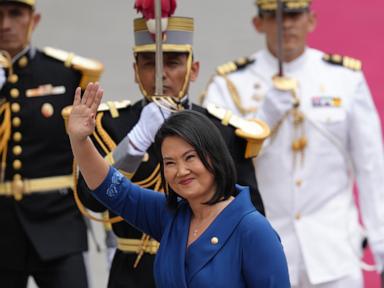
Peru just swore in its ninth president in a single decade. Conservative leader Keiko Fujimori took the oath of office after surviving a grueling, nail-biting election cycle that squeezed past her left-wing rival, Roberto Sánchez, by fewer than 50,000 votes out of more than 18 million cast.
If you've followed Peruvian politics for any length of time, you know the script. Extreme polarization, fragile state institutions, and an electorate desperate for safety. This time, after three prior heartbreaking losses in 2011, 2016, and 2021, the 51-year-old politician finally clinched the top office on her fourth attempt. She also makes history as the country's first truly elected female president.
Let's break down how she won, the heavy baggage she carries, and whether her iron-fist promises can actually fix a broken system.
The Margin That Changed South America
Winning by roughly 42,000 to 43,000 votes means every single ballot section mattered. Overseas voters living in places like the United States tipped the scales in her final tally, offsetting tight domestic numbers.
Sánchez and his supporters immediately cried foul, challenging ballots and promising ongoing protests. But the election authority certified the results, sealing a 50.1% to 49.8% win.
This outcome isn't just about domestic politics. It cements a broader regional shift across South America. Conservative and right-wing figures are surging back into power, feeding on public exhaustion with economic stagnation and rising crime rates. Fujimori joins a growing wave of right-leaning leaders taking office across the continent.
Why Voters Broke for Fujimori Now
Crime drove this election. Extortion rackets, contract killings, and violent street gangs have terrorized neighborhoods across Peru for years. People are sick of feeling unsafe in their own shops and homes.
Fujimori ran a campaign built around absolute security. She promised an "iron-fist" approach, openly pointing to Salvadoran President Nayib Bukele's hardline methods as inspiration. Her platform includes building a massive prison modeled after El Salvador's notorious Cecot facility and temporarily deploying the military to take charge of security in high-crime zones.
She also pledged to hide the identities of judges handling dangerous criminal trials to protect them from cartel retaliation. For millions of voters exhausted by daily extortion threats, these aggressive promises sounded like the only way out.
The Heavy Legacy of the Fujimori Name
You cannot talk about Keiko Fujimori without talking about her father. Alberto Fujimori ruled Peru in the 1990s, crushing the violent Shining Path extremist group and stabilizing hyperinflation before his administration imploded into corruption and human rights abuses. He died in September 2024 after a pardon, leaving behind a legacy that still divides the nation down the middle.
Anti-Fujimorismo—a powerful social movement dedicated to keeping her family out of power—mobilized hard against her. Opponents dragged up past authoritarian abuses, warned of democratic backsliding, and pointed to her party's alliances in congress.
Yet, her persistence beat back that opposition by the slimmest margin imaginable. She didn't win by changing her family brand; she won because a massive block of voters decided that economic survival and physical safety outweighed historical grievances.
Immediate Hurdles Facing the New Government
Taking office is the easy part. Governing a deeply split country is where things get messy.
Fujimori's party, Popular Force, along with its ally Popular Renovation, controls half of the senate seats in the incoming legislature. That legislative block will shield her from the rapid-fire impeachment cycles that destroyed her predecessors. However, it also hands her total political accountability.
She has promised to:
- Raise the national minimum wage by 15%.
- Reorganize social programs to tackle rural malnutrition.
- Prepare infrastructure for upcoming severe weather patterns tied to El Niño.
At the same time, human rights groups and opposition leaders are demanding that she repeal recent congressional laws that critics argue weaken anti-corruption investigations. Families of those killed during civil unrest in late 2022 and early 2023 are also demanding accountability, refusing to recognize her legitimacy from day one.
Peru has burned through eight presidents in ten years. If Fujimori wants to break that curse, her security promises have to yield real results fast, without dragging the country back into the dark authoritarian playbook of the past.