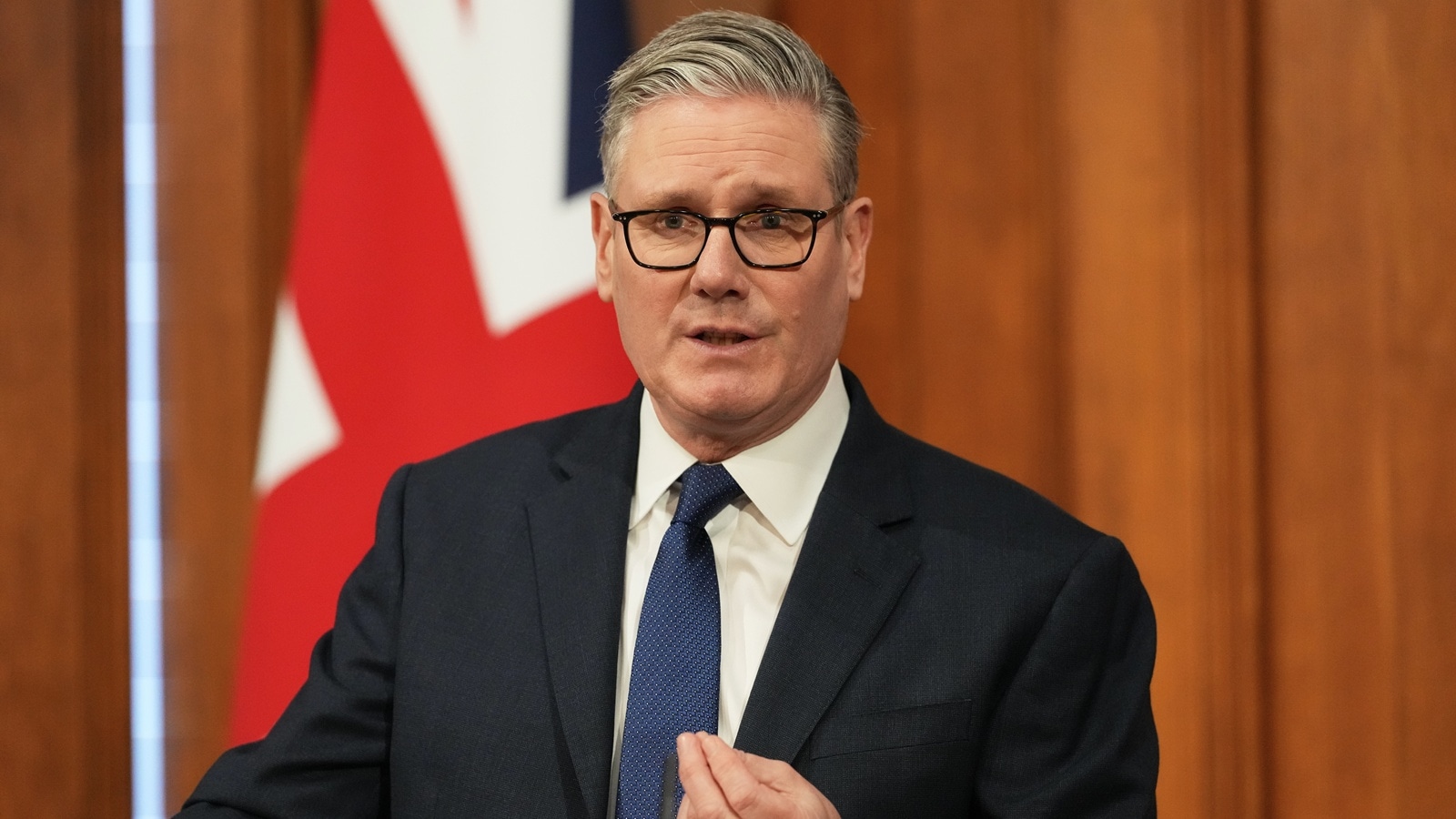
Politics moves fast, but the floor dropping out from under a Prime Minister usually takes a bit longer than this. Keir Starmer is currently staring at a map of the UK that has turned a bruised shade of Reform turquoise and Green, while his own party's red wall is looking more like a pile of loose bricks. If you’re looking for the reason why Westminster is suddenly whispering about "orderly transitions" and leadership letters, look no further than the May 2026 local election results.
It wasn't just a bad night. It was a historic drubbing. Labour didn't just lose seats; they lost the narrative that they're the only grown-ups in the room. When you lose control of councils in Hartlepool, Tameside, and Redditch all in one go, you're not just dealing with "midterm blues." You're dealing with a fundamental rejection.
The numbers that should keep Number 10 awake
Let’s be blunt about the scale of this mess. Labour shed over 1,300 seats across England. Think about that for a second. That's over a thousand local representatives—the boots on the ground—gone. They lost 35 councils. Even in London, where Starmer usually feels safe, the party lost control of Wandsworth and Westminster.
While Starmer tries to play it cool, the reality is that his personal approval ratings have cratered. YouGov data from late April 2026 showed his net favourability at a dismal -45. To put that in perspective, nearly 70% of the public now views him unfavourably. Even among people who voted Labour less than two years ago, almost half now say they're unhappy with the job he's doing.
The "why" isn't a mystery. People feel like nothing has changed. Prices are still high, the NHS is still struggling, and the "change" promised in 2024 feels like a marketing slogan that's expired. Voters aren't just angry; they're looking elsewhere.
The Reform wave and the Green surge
The biggest shock to the system hasn't come from the Conservatives—who are busy having their own identity crisis—but from the edges. Nigel Farage’s Reform UK didn't just participate; they dominated. They picked up more than 300 seats early on, even taking control of Havering council in London.
It’s easy to dismiss Reform as a protest vote, but when they’re winning in "Red Wall" heartlands, it’s a sign that the traditional Labour voter feels abandoned. On the other side of the aisle, the Greens are gobbling up the progressive vote in cities. The result? A fractured political landscape where Labour's old-school majority is being eaten from both ends.
The mutiny inside the house
Starmer says he's not going anywhere. He says he won't "plunge the country into chaos." But the chaos is already inside the building. Behind the scenes, Labour MPs aren't asking if he should go; they're asking how.
Names are already being floated. Andy Burnham remains the most popular figure in the party with a positive net favourability rating of +9. While he’s technically outside the Westminster bubble as Mayor of Greater Manchester, his "king across the water" status has never been more potent. Inside the Commons, figures like John McDonnell and even backbenchers like Jonathan Brash are calling for a departure timetable.
The current strategy from Starmer’s camp is "humility." They're planning a speech to "acknowledge the message." But honestly? Voters have heard enough speeches. They want to see their bills go down and their waiting lists shorten. Humility doesn't pay the rent.
Is the pilot the problem?
Deputy PM David Lammy defended Starmer by saying, "You don't change the pilot during a flight." It’s a classic line, but it only works if the passengers think the pilot knows where the airport is. Right now, most of the country thinks the plane is circling a dark cloud with no fuel left.
The internal party rules make it hard to oust a sitting PM without a full-blown revolt, but the pressure is building. If the King’s Speech this Wednesday doesn't offer something radical—something that actually makes people feel like their lives are improving—the trickle of resignations could become a flood.
The most dangerous thing for Starmer isn't Nigel Farage or the Green Party. It's the sense of "inevitability" that is starting to surround his exit. Once a party decides its leader is a loser, it’s very hard to change that mind.
What happens next
If you're watching this play out, don't expect a sudden resignation tomorrow. Politics at this level is about the slow grind of losing support. Watch the junior ministers. If they start stepping down to "focus on their constituencies," that's the signal that the "cover" is being built for a bigger move.
Labour is currently facing a three-way split between the loyalists who want to stay the course, the left who want a return to radicalism, and the pragmatists who just want someone—anyone—who can win a poll.
Stop waiting for a "moment" of clarity. The clarity is in the council losses. The UK is moving toward a multi-party future, and the current Labour leadership looks like it's stuck in 1997. If Starmer wants to survive midsummer, he needs to stop talking about "difficult decisions" and start delivering actual results. Otherwise, the "orderly transition" the rebels are whispering about will become the only headline in town.
Watch the cabinet's body language during the King's Speech. If the support looks performative, it probably is. The countdown hasn't just started; it's already at the final digits.
Starmer's leadership struggle
This video provides a direct look at the scale of the 2026 local election losses and the immediate reactions from both Keir Starmer and his political rivals.