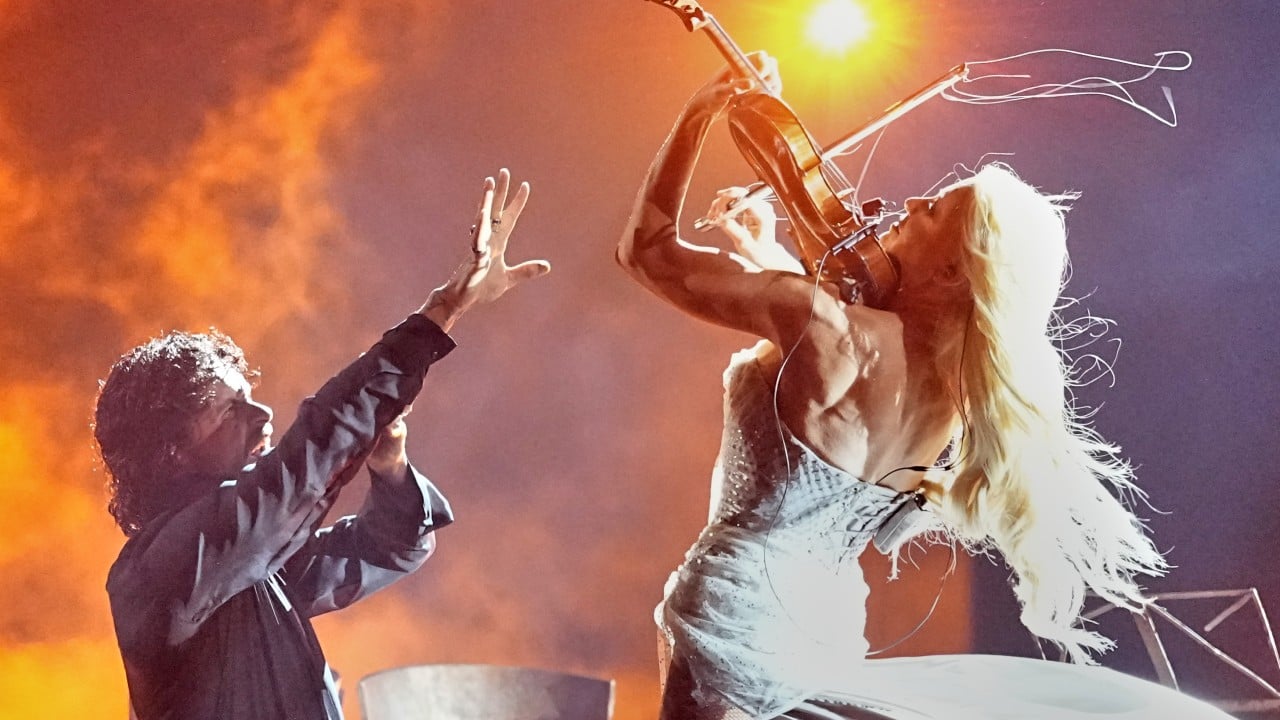
When a cultural landmark sues a local jazz artist for a million bucks, people notice. When that same lawsuit gets tossed out and the institution gets slapped with a massive six-figure legal bill, it becomes a textbook case of overreach.
A Washington, D.C. judge just ordered the John F. Kennedy Center for the Performing Arts to fork over $252,479.70 in legal fees and court costs to jazz drummer and vibraphonist Chuck Redd. If you missed the chaos leading up to this, let's break down what actually happened.
The Canceled Christmas Eve Gig
Chuck Redd spent nearly twenty years hosting the traditional Christmas Eve concert at the Kennedy Center. It was a holiday staple. Then December rolled around, and the venue's leadership added Donald Trump's name to the building's facade following a controversial board vote.
Redd refused to play. He pulled out of the performance, pointing directly to the contested rebrand as his breaking point.
Management didn't take it well. The arts center threatened a million-dollar lawsuit and eventually hit Redd with a formal breach-of-contract claim. They argued he had agreed in writing to play the $6,500 gig.
There was just one glaring problem. Redd never signed the contract.
Throwing Out the Book
In June, D.C. Superior Court Judge Tanya M. Jones Bosier didn't just dismiss the case—she dismantled it. The judge applied the district's anti-SLAPP statute, which is built to shield individuals from retaliatory lawsuits designed to silence public interest speech and expression.
The court pointed out the obvious truth: no signed agreement existed. You can't breach a contract you never put your name on.
Redd's legal team, led by attorney Lisa J. Banks, called the whole ordeal a politically motivated attempt to muzzle a dissenting artist. The latest ruling orders the institution to cover Redd's steep defense expenses within 45 days, capping a humiliating legal defeat for the venue's administration.
The Kennedy Center announced plans to appeal the order, but the damage is already done. Public trust is fractured, ongoing programming remains largely suspended, and federal courts are actively monitoring the venue's chaotic structural and administrative updates.
If you are an artist booking a gig or a venue manager drafting a seasonal lineup, take note. Pushing retaliatory legal threats over political disagreements is an expensive mistake. Contracts require actual signatures, and attempting to silence performers through the court system usually backfires in public.