Sending your kid to a boarding school shouldn't feel like gambling with their life. Yet, for parents in Kenya, it does. The recent horror at Utumishi Girls Academy in Gilgil, Nakuru County, proves that nothing has changed. A massive dormitory fire broke out just before 1:00 AM, trapping young girls inside a building that was supposed to protect them. Sixteen children are dead. Dozens more are severely injured.
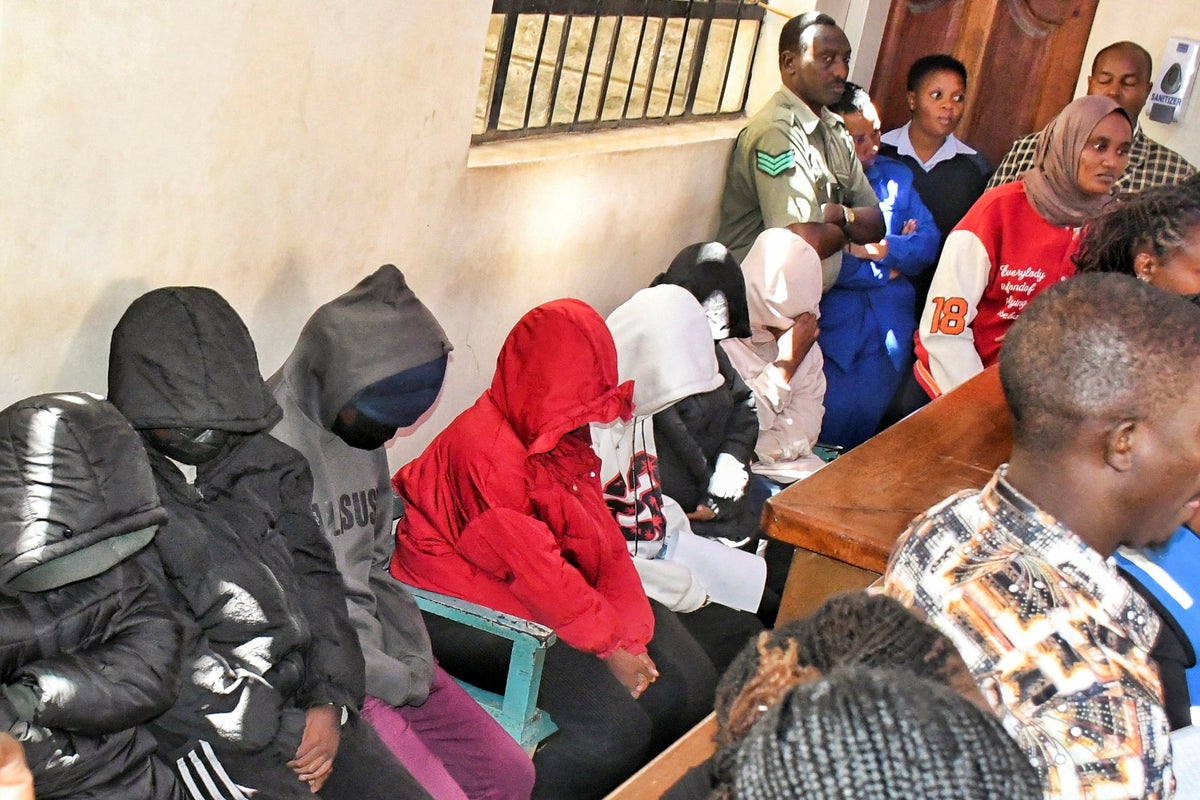
Right now, eight female students are in police custody under heavy suspicion of arson. Let's be blunt here. The immediate finger-pointing at teenage suspects avoids the bigger, uglier reality. The real crisis isn't just about who lit the match. It's about a broken system where school administrators consistently lock students inside firetraps, ignoring basic safety protocols until bodies start piling up.
Why Do Kenyan Dormitories Keep Burning
If you look at the statistics, school fires in Kenya are a recurring nightmare, not an isolated glitch. We keep seeing the exact same pattern. A fire breaks out, the structure crumbles instantly because it's poorly built, and children get trapped because emergency exits are blocked or completely non-existent.
At Utumishi Girls Academy, investigators discovered that the dormitory was heavily congested. Worse, one of the primary exit doors was locked from the outside. When the fire started ripping through mattresses, the panic must have been absolute. Imagine dozens of young girls rushing toward a door in pitch darkness, only to find it bolted shut.
Education Minister Julius Ogamba dropped another bombshell: two teachers knew the students were planning "something" but chose to do absolutely nothing. That's not just administrative failure. That's criminal negligence. The school board has been dissolved, and the principal faces disciplinary action, but for the parents who lost their daughters, this bureaucratic cleanup is too little, too late.
The Agony of the DNA Waiting Game
Step into the shoes of the parents gathering at the hospital morgue in Naivasha. Because the fire was so intense, many of the bodies were recovered in a completely charred, unrecognizable state. Pathologists have collected DNA samples from distraught family members, but they've made it clear that matching these samples will take time.
"They have just been doing some sideshows, trying to prevent us from knowing the truth, but the reality we have come to know is that we have lost our children," shared John Muiruri, a father searching for answers. "What we want to know is where are the remains of our daughters."
The official communication from the state has been messy, leaving families in agonizing limbo. Some parents didn't even know if their daughters were dead, hospitalized, or among those arrested by the police. Leila Matura, another parent, described the hopelessness of visiting hospitals only to be told her 18-year-old daughter was simply "missing."
Coping With the Police Angle
Here is an ironic twist that makes this specific tragedy even harder to swallow. Utumishi Girls Academy is managed and sponsored by the National Police Service. A huge chunk of the students enrolled there are daughters of police officers.
You'd think a school run by law enforcement would enforce strict compliance with national safety guidelines. Instead, they fell into the same lazy traps as civilian boarding schools. Congested rooms, poor emergency readiness, and locked doors. If the police can't keep their own children safe within their own sponsored institutions, what hope do ordinary Kenyan citizens have?
Civil society groups like the Elimu Bora Working Group are furious, demanding the immediate resignation of Education Minister Ogamba. They point out that while the ministry boasts about closing 350 schools since 2024 for safety violations, the quality assurance departments are chronically underfunded and can't handle regular inspections.
Moving Beyond the Blame Game
Arresting eight teenagers might satisfy the public's immediate desire for a scapegoat, but it won't fix the underlying rot. Kenya has been through this before. In 2024, 21 boys died at Hillside Endarasha Academy. Go back to 2017, and 10 students died at Moi Girls High School. In 2001, a horrific fire at Kyanguli Secondary School claimed 67 lives.
Every single time, we hear promises of tighter regulations, routine drills, and zero tolerance for safety breaches. Then the news cycle moves on, and school administrators go right back to locking exit doors to stop students from sneaking out at night.
If you are a parent with a child in a boarding school right now, don't wait for the government to do its job. Take matters into your own hands during your next school visit.
Demand to see the dormitories yourself. Check if the windows have restrictive iron grills that would block an escape. Look at the exit doors and ask the matrons directly if those doors stay unlocked throughout the night. If the school administration gives you pushback or refuses to show you the living quarters, consider it a massive red flag and take your child out. Pressure your local school boards to install functional fire extinguishers and smoke detectors in every single room. Relying blindly on institutional promises is no longer an option.
This Utumishi Girls Academy news update covers the early moments of the police investigation and shows the scale of the destruction at the Gilgil facility.


