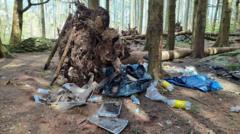
Summer in the Lake District used to mean crisp morning walks, quiet village pubs, and the occasional polite nod to a fellow rambler. Now? It looks more like a festival car park after a weekend of heavy rain. You pull up to popular spots like Derwentwater or Windermere on a sunny July morning, and reality hits hard. The verges are chewed into mud. Human waste litters popular beauty spots. Campervans block narrow rural lanes because drivers refuse to pay for proper pitches.
People visit the Lake District to escape the noise of modern life. Instead, they drive straight into a different kind of chaos.
Let's talk about what is actually going wrong during peak season and how the landscape is buckling under pressure.
The Parking Nightmare on Narrow Country Lanes
If you have ever tried to navigate Honister Pass or the winding roads around Wasdale during peak summer, you know the blood-pumping panic of facing a massive SUV or a rented campervan coming the wrong way.
Local authorities and National Park officials face a relentless battle against bad parking. Drivers abandon vehicles on fragile grass verges, block farm gates, and obstruct emergency access routes just to save a few pounds on car park fees. This isn't just annoying for locals trying to move livestock or get to work. It destroys delicate habitats. Rare plant species get crushed beneath tyres, and soil erosion scars hillsides that took centuries to form.
The infrastructure simply wasn't built for this volume of traffic. Local councils have increased fines and deployed more civil enforcement officers, but the sheer volume of visitors overwhelms them.
Want to avoid the worst of it? Stop aiming for the honey-pot locations at mid-day. If you arrive at Scafell Pike or Tarn Hows by seven in the morning, you might find a legal space. Better yet, leave the car behind and use local bus networks like the seasonal Honister Rambler.
The Human Waste Crisis in Britain's Favorite National Park
Let's address the most uncomfortable part of the summer rush. Human waste.
When visitor numbers surge past local infrastructure capacity, public toilets face impossible queues, closures, or total breakdown. The grim consequence is that popular walking tracks now double as open-air toilets. Walkers find discarded wet wipes, toilet paper, and worse tucked behind drystone walls and popular boulder problems.
This creates a public health hazard and a foul experience for everyone else. Sheep and native wildlife ingest discarded plastics and contaminated paper, leading to severe illness and death.
Landowners and volunteer groups spend countless hours clearing trash and human waste from places like Catbells and Helvellyn. It is exhausting work that shouldn't be necessary. If you are heading out for a day on the fells, pack out what you pack in. Bring a trowel if you are caught short in the backcountry, or stick strictly to established facilities. There is zero excuse for treating a UNESCO World Heritage site like a landfill.
Poor Pitching and the Rise of Illegal Camping
Wild camping has a long, proud history in British outdoor culture. But what happens during July and August bears zero resemblance to traditional, low-impact wild camping.
Instead, we see mass illegal camping. People pitch massive festival tents directly on fragile shorelines, light open fires during dry spells, and leave mountains of beer cans behind when they pack up to leave. Local farmers frequently wake up to find gates broken, livestock spooked by loud music, and litter scattered across grazing land.
The distinction between wild camping and fly-camping matters. True wild camping means pitching late, leaving early, staying high up away from roads, and leaving no trace whatsoever. Pitching an eight-man tent next to a pristine tarn while running a generator falls under pure anti-social behavior.
Communities across Cumbria push back hard against this behavior. Ranger patrols have stepped up enforcement, issuing hefty fines and moving illegal campers on. If you want to sleep under the stars, book a proper campsite with facilities. Many local farms open temporary summer fields specifically for this reason. Support them instead of destroying the open fells.
How to Visit the Lakes Without Being Part of the Problem
You don't need to boycott the Lake District entirely. The local economy relies heavily on tourism, and many businesses depend on a strong summer season to survive the lean winter months. But you do need to change how you approach your trip.
Shift your focus away from the famous hotspots. Windermere and Grasmere will always be crowded, but the Western and Eastern fells offer absolute solitude even in peak season. Explore the quiet valleys around Eskdale or the rugged ridges of the Far Eastern Fells.
Respect the local communities. Wave to farmers, close gates behind you, support local independent pubs, and buy your supplies from village shops rather than bringing a boot full of supermarket processed food that ends up in local bins.
Treat the landscape with the respect it demands. The Lake District isn't a theme park designed for your convenience. It's a living, working landscape that requires care and attention from everyone who walks its paths. Next time you plan a summer trip, pack your patience, respect the rules, and leave the fells cleaner than you found them.