For years, standing up for the Amazon rainforest meant signing your own death warrant. The state looked away. Loggers and drug traffickers operated with total impunity.
That grim reality shifted when a Peruvian court handed down prison terms ranging from 15 to 35 years for the murder of Kichwa leader Quinto Inuma Alvarado. It is a rare moment of accountability in a region where violence against environmental defenders usually fades into silence.
If you want to understand how deep the crisis runs and what this historic ruling means for the future of Indigenous protection, look closely at what happened in San Martin and why activists say the fight is far from over.
The Cost of Defending the Forest
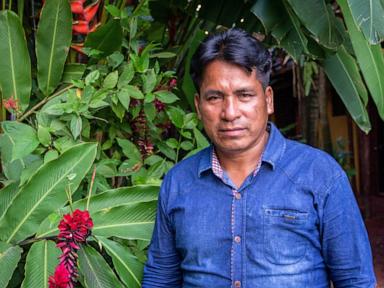
Quinto Inuma Alvarado knew he was a target. As a prominent leader of the Santa Rosillo de Yanayacu community in Peru's northern Amazon, he spent years fighting off illegal logging, land grabbing, and drug trafficking operations that encroached on ancestral lands.
He didn't stay quiet about it. Between 2016 and 2023, members of his community filed 13 separate formal complaints with prosecutors detailing environmental crimes. The warning signs were obvious. Peru's Justice Ministry even classified Inuma as a high-risk individual back in 2021, ordering police protection for him and his family.
Protection on paper means nothing in the remote jungle. Police later admitted they lacked the fuel, boats, and geographical reach to carry out regular patrols in the area. On November 29, 2023, reality caught up with policy. As Inuma traveled home by boat after attending a national gathering of environmental defenders, gunmen ambushed and killed him. Another passenger, Axeldina Barbarán Tapullima, survived the attack with serious injuries.
Inside the Historic Verdict
The trial lasted nearly eight months, featuring extraordinary measures like judges traveling from Lima to Tarapoto to hear direct testimony from survivors and relatives.
The court ultimately convicted four men on murder-for-hire charges:
- Genix Saboya Saboya and Limber Ríos Ruiz received 35 years behind bars.
- Segundo Juan Villalobos Guevara, a local timber operator identified as the mastermind who ordered the hit, was sentenced to 28 years and four months.
- Jerly Saboya Saboya received a 15-year sentence as an accomplice.
Beyond the prison terms, the judges ordered substantial financial compensation—750,000 soles for Inuma's legal heirs and 250,000 soles for the surviving victim, pending a final ruling if appeals are filed.
Legal experts from groups like the Legal Defense Institute call this an exemplary turning point. For decades, killers of Indigenous activists walked free because local corruption and bureaucratic inertia choked investigations. This verdict proves that systemic impunity is not entirely invincible.
Why the Danger Persists Across the Amazon
Despite the courtroom victory, the mood among local families remains heavy with fear. Justice arrived nearly three years after Inuma's death, a delay that highlights how slowly the legal gears turn while threats continue in real time.
The fragility of these protections became starkly obvious just days before the verdict. Américo Pascuala Tomisha, an Ashéninka Indigenous leader, was shot dead while patrolling his community's territory in Peru's Ucayali region after confronting outsiders illegally extracting resources.
Activists emphasize that sentencing a few individuals does not stop the wider machinery of deforestation and criminal networks operating along the borders. Governments across South America must fund physical security infrastructure, recognize formal land titles immediately, and back up judicial sentences with boots on the ground.
Community leaders continue demanding that state agencies move past symbolic gestures and establish permanent operational bases in high-risk jungle sectors to prevent further bloodshed.