If you think a trip to Lanzarote means endless lounging by the pool without a care in the world, reality is knocking. The island just pushed its official water emergency declaration all the way through to February 2027.
Local authorities aren't messing around. They have unlocked multi-million-euro injections to overhaul a leaky, failing pipeline network. Visitors usually miss the structural cracks beneath the resort gloss, but this crisis hits residents and holidaymakers where it counts.
What’s Actually Happening on the Ground
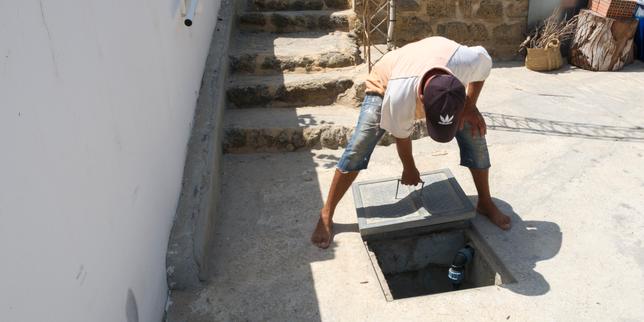
The Insular Water Council of Lanzarote didn't extend this emergency on a whim. Chronic structural failure in the integral water cycle left officials with zero choice. Pipe leakage rates on the island have historically drained precious resources before they ever reach a tap.
Instead of waiting for standard, slow-moving bureaucratic approvals, the emergency status bypasses red tape. It fast-tracks urgent hydraulic projects.
- The Timeline: Extended out to February 2027.
- The Funding: Fresh framework packages exceeding €6.4 million pump directly into network modernizations.
- The Goal: Slash catastrophic distribution losses across Lanzarote and neighboring La Graciosa.
Where the Money Goes
Pouring cash into a broken system solves nothing if you patch the wrong holes. The latest funding targets specific, high-risk trouble spots.
Contract awards under the renewed emergency framework focus heavily on pipe replacements. Neighborhoods like Argana in Arrecife are finally seeing designated capital—nearly €1 million alone—slotted into urban drainage and rainwater management. Ravines across Haría are getting cleaned out and adapted to handle severe weather events before flash floods paralyze local infrastructure.
Should Tourists Worry About Restrictions?
Vacationers love to panic over words like "emergency." You might wonder if your hotel shower will run dry or if pools will empty out.
Right now, direct personal restrictions targeting tourists haven't hit the table. Local governance knows the tourism economy keeps the lights on. However, the underlying tension remains real. High-end resorts consume massive quantities of water daily compared to the average resident.
If dry spells persist and infrastructure upgrades lag behind schedule, consumer-facing measures or tiered pricing structures could easily materialize down the road.
Conserving water during your stay isn't just an eco-friendly suggestion anymore. It's basic common sense if you want to support a fragile island ecosystem that's fighting to keep its head above water. Keep showers short, report leaks if you spot them in your accommodation, and respect local conservation appeals.