The grease on the paper is always slightly warm. The neon buzz of the local chicken shop hums a low, electric minor chord that everyone tries to ignore. For twelve years, that hum has been the background track to a very specific kind of modern public intimacy. It is the sound of awkward silences weaponized into art.
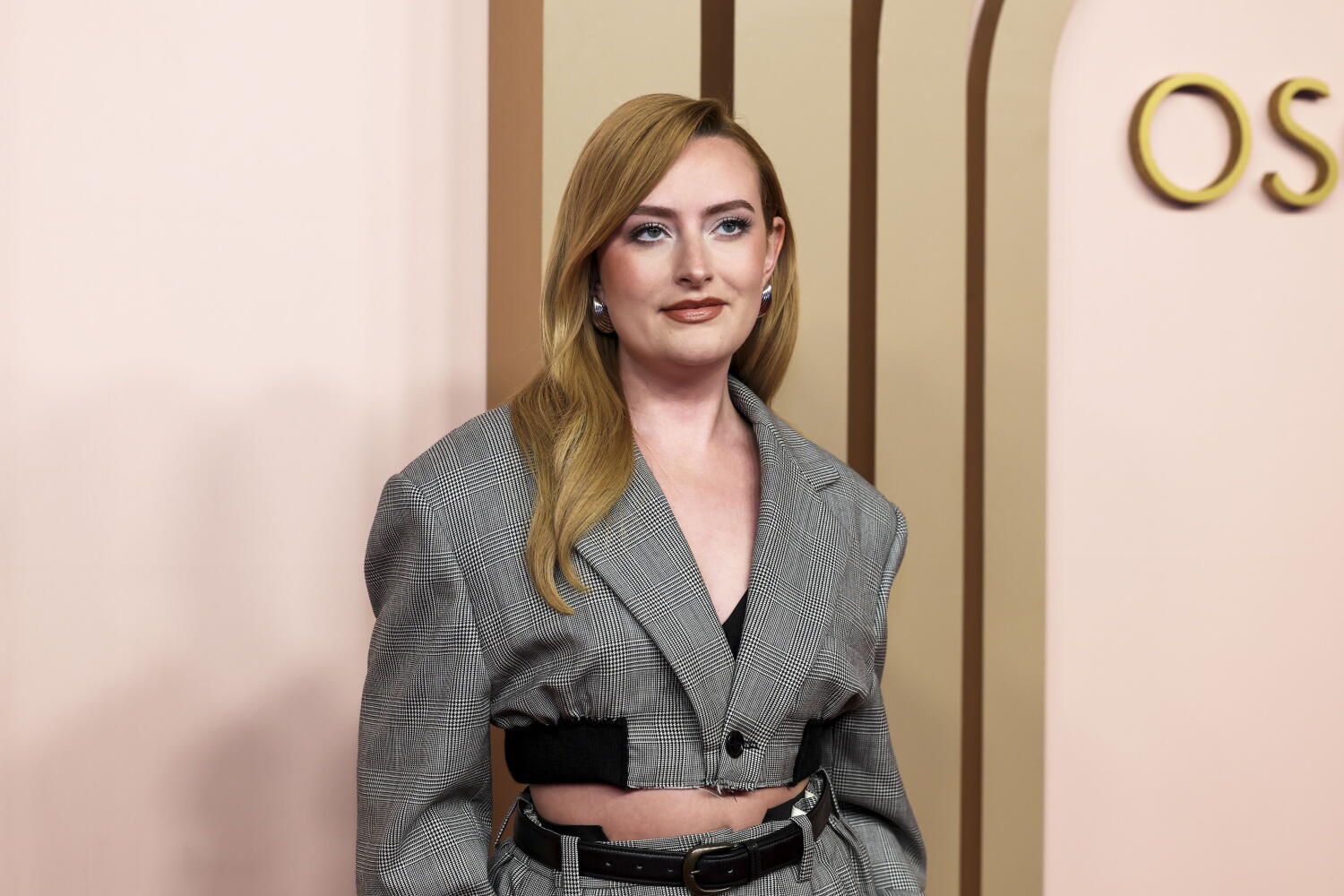
Amelia Dimoldenberg is sitting across from someone whose public persona is meticulously ironed, completely armored, and utterly terrified. A rapper with fifty million streams. An actor fresh off an Oscar nomination. They are holding cheap cardboard boxes filled with golden, sodium-drenched wings they will barely touch. They expect a standard promotional interview. They expect rehearsed soundbites about upcoming projects.
Instead, they get silence.
Then, she asks a question about their childhood bedroom or their deepest insecurities, delivered with the deadpan cadence of a coroner evaluating a routine case.
And just like that, the armor cracks.
For over a decade, Chicken Shop Date has been an underground cultural phenomenon hiding in plain sight. It started as a low-budget student film project in 2014, shot in grungy London takeaways with zero institutional backing, and grew into a global digital empire. It forced the world's most guarded megastars—from Andrew Garfield to Rosalía—to sweat under the relentless glare of fluorescent lights while chewing on lukewarm fries. It redefined celebrity interviews by stripping away the public relations gloss and replacing it with pure, unfiltered social anxiety.
Then came the announcement. Twelve years. Done. Time to move on.
To understand why this digital closure matters, we have to look at what modern fame has become. We live in an era of hyper-curated self-presentation. Every celebrity Instagram grid is a mood board of effortless perfection. Every talk show appearance is vetted by three layers of publicists, cleared by legal teams, and optimized for viral TikTok snippets where nobody says anything real. PR training turns human beings into corporate logos with heartbeats.
Amelia walked into that ecosystem armed with a notepad, a dry monotone, and an utter refusal to be impressed.
Imagine sitting in a booth with her. The camera is fixed, unblinking. There are no fast cuts to hide your discomfort. When she asks you why you think anyone loves you, you cannot pivot to your new album because the silence stretches out, heavy and suffocating, until you have to say something true just to break the tension. That is the genius of the format. It weaponized discomfort to manufacture authenticity.
Yet, formats have expiration dates. Twelve years is an eternity in the digital attention economy. Platforms rise, algorithmic moods shift, and creators either evolve or become monuments to their own past relevance.
Why walk away from a machine that prints cultural capital?
Because saturation kills mystery. When a concept becomes too successful, the guests stop showing up unprepared. They start anticipating the bit. They arrive with their own ironized defenses, ready to play the character of someone being awkward on a chicken shop date, which completely destroys the actual awkwardness. Once a mirror becomes self-aware, it stops reflecting reality and starts performing a parody of it.
Walking away requires a rare kind of institutional courage. Most creators ride a wave until it crashes on the rocks of audience fatigue. They milk the IP until the comments section turns from adoration to pity. They squeeze every last drop of ad revenue out of a decaying carcass.
Amelia chose a different path. She pulled the plug while the room was still packed.
Consider the emotional architecture of the show. At its core, it was never about the chicken. It was about the universal terror of being seen. We have all sat across a table from someone we wanted to impress, fumbling our words, dropping a napkin, terrified that our internal weirdness would be found out. When a global superstar like Jack Harlow or Maya Jama sits in that same booth, blinking nervously under the harsh lighting, the illusion of untouchable celebrity shatters. We realize they are just as fundamentally lost in social spaces as the rest of us.
That is the hidden comfort of the series. It democratized humiliation.
As the final episodes air, the internet reacts with a mixture of grief and profound respect. The comment sections are filled with eulogies for a digital artifact that made us feel less alone in our social ineptitude. People are posting their favorite deadpan exchanges, compiling supercuts of long, unbroken stares into space, mourning the end of an era where internet content felt dangerous because it relied on human unpredictability rather than algorithmic optimization.
The chicken grease cools on the table. The neon sign flickers off.
The real legacy of those twelve years is not the subscriber count or the brand partnerships or the massive guest list of A-listers. It is the reminder that beneath the polished veneer of celebrity culture, we are all just sitting in a cheap booth, waiting for someone to ask us a question we cannot escape, hoping that if we answer honestly, we might actually be understood.
And somewhere out there, under a new set of lights, the tape is rolling again on a completely different kind of silence.