Imagine opening your mail and finding a letter addressed directly to your local police precinct from an international syndicate. It says they have 1,000 shooters stationed inside your borders ready to squeeze small businesses for "taxes." It sounds like bad fiction. But it actually happened in Abbotsford, British Columbia.
Canadian law enforcement is trying to figure out how a gang boss sitting inside an Indian prison manages to coordinate a sprawling web of extortion and drive-by shootings across three major provinces. The stunning revelation surfaced during an immigration and refugee board deportation hearing. An explosive letter delivered to the Abbotsford Police Department directly mapped out a criminal network that has shaken South Asian communities in British Columbia, Alberta, and Ontario.
But there's a deeper twist to this story. As police aggressively investigate this sprawling network, they aren't just fighting one massive entity. They are fighting a messy, fractured underworld filled with opportunistic copycats who use a feared name to cash in on pure terror.
Inside the Abbotsford Police Department Threat Letter
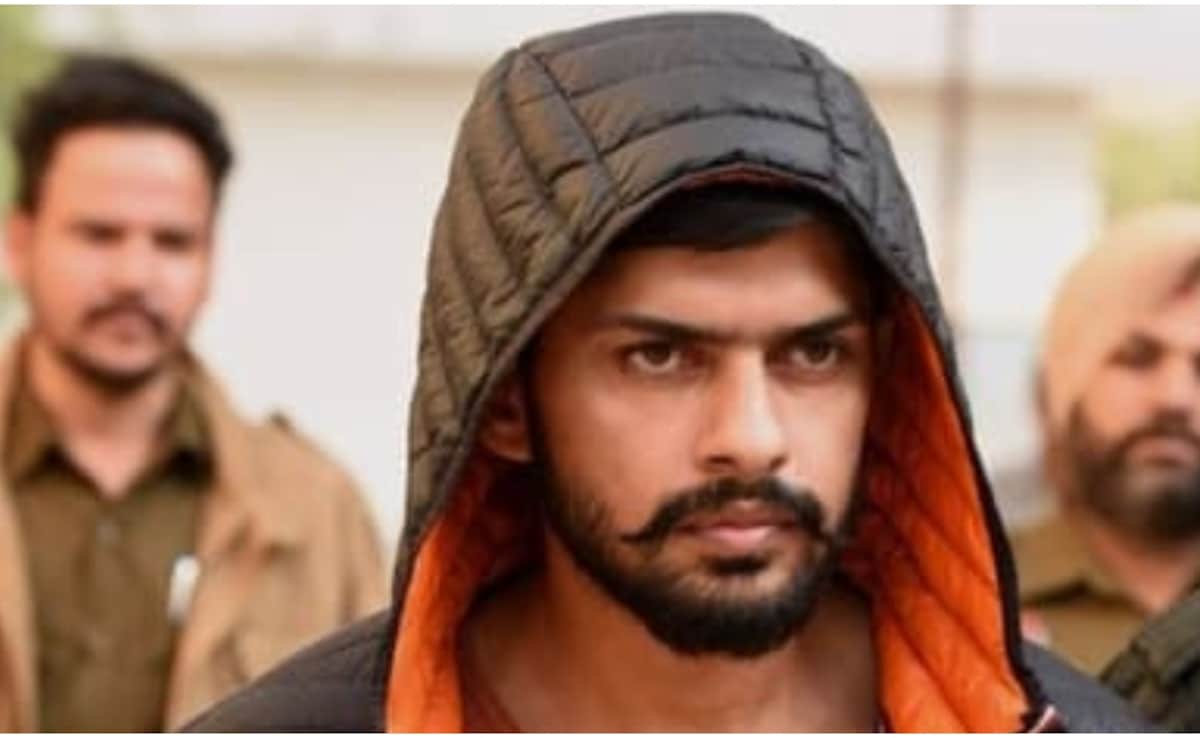
In August 2025, a physical letter arrived at an Abbotsford police station. The return address or signature belonged to the Lawrence Bishnoi gang, an organized crime group that Canada designated as a terrorist entity.
Constable Kevin St. Louis of the Edmonton Police Service testified about the exact contents of the message. The document explicitly detailed a hierarchy claiming to control upward of 1,000 individuals across Canada. These weren't seasoned international hitmen. They were foot soldiers willing to spray local homes and storefronts with bullets.
The letter explicitly stated that South Asian business owners needed to pay their "tax." If they didn't, the consequences were immediate. The syndicate backed up its threats with terrifying violence. In one instance, a foot soldier used a bodycam to film himself firing rounds into the home of a Victoria musician before splashing the footage across social media. Bullet holes have scarred local businesses like Kap's Cafe in Surrey, a spot tied to a Bollywood celebrity, signaling that no one is entirely safe from the reach of the extortion network.
The operation relies heavily on a rotating pool of young Indian nationals, mostly temporary foreign workers or students on visas who arrived recently in Canada. Local gangs actively target these vulnerable young men outside schools. They offer small cash payments for targeted shootings, but the real draw is psychological. It gives isolated kids a twisted sense of belonging and community in a new country.
The Chaos of Fractured Syndicate Networks
If you think this is a highly disciplined corporate machine, think again. The reality on the street is getting increasingly chaotic.
Investigating officers revealed that a massive rift between Lawrence Bishnoi and his former right-hand man, Goldy Brar, fractured the group. This internal war broke the traditional extortion playbook. Usually, a gang contacts a business owner, demands cash via WhatsApp, and shoots only if the victim refuses to pay.
Because of the fracture, the groups are completely disorganized. Suspects started shooting up homes and businesses first, without making any prior demands. It was mindless violence meant to establish turf, leaving victims terrified without even knowing who they owed money to or why they were being targeted.
The logistics behind these crimes show just how fluid the underworld is. Suspects, weapons, and stolen vehicles move constantly between provinces. To pull off insurance fraud and cover their tracks, the gang uses falsified reports of stolen cars. They use a vehicle to execute a drive-by shooting in one city, drive it across a provincial border, and abandon it burning on the side of a rural highway.
The technical hurdles for police are massive. Extortion demands route through untraceable international WhatsApp numbers. Constables have tracked the exact same firearm used in separate extortion incidents across Ontario, Alberta, and British Columbia within compressed windows of time.
While Bishnoi and Brar remain household names in international crime, police phone taps and voice-matching software pinpointed a different individual running the day-to-day Canadian communication lines. His name is Jora Sidhu. Operating entirely outside of Canada, Sidhu acts as the main operations manager, making cold calls and texting threats to terrified business owners safely out of reach of Canadian handcuffs.
The Rise of Opportunistic Copycat Gangs
The threat of 1,000 shooters is alarming, but the intelligence community knows that fear breeds cheap imitation. The sheer notoriety of the Bishnoi name has created an entirely new problem for Canadian law enforcement: copycat gangs.
A significant portion of the ongoing extortion crisis involves small-time local criminals who have absolutely zero ties to India or the actual syndicate. They simply buy a cheap burner phone, fire up WhatsApp, and name-drop Lawrence Bishnoi or Goldy Brar. They threaten South Asian business owners with death, banking entirely on the fact that the victim has seen the news headlines and will pay up out of sheer panic.
There is a distinct operational difference between the real network and the fakes. The copycats almost never actually pull the trigger. They don't have the logistical pipeline to move firearms between provinces, and they don't have a network of recruited students ready to handle stolen vehicles. They rely completely on psychological warfare.
This creates a brutal double-edged sword for task forces like Abbotsford's Operation Community Shield. Every single threat must be treated as a live, high-risk scenario. Police have to deploy resources, trace digital footprints, and protect families without knowing if the threat comes from an actual transnational hitman or a teenager in a basement looking for a quick payday.
Defending Your Business Against Extortion Threats
If you operate a business within the South Asian diaspora in western Canada or Ontario, you cannot afford to ignore the reality of these syndicates. There are concrete steps you must take immediately if your phone lights up with an anonymous extortion demand.
- Never engage or negotiate: The moment you reply to a WhatsApp threat or offer a partial payment, you confirm that you are vulnerable. Paying "taxes" does not buy safety; it guarantees the syndicate will return with higher demands.
- Preserve every piece of digital evidence: Do not delete the chat log or block the number immediately. Take high-resolution screenshots of the messages, the phone number, and any profiles attached to it. Record the exact date and time of incoming calls.
- Report instantly to specialized task forces: Do not call a standard non-emergency line. Contact dedicated initiatives like Abbotsford's Operation Community Shield or your local integrated organized crime units. They match voice notes and text formats against existing databases to tell you instantly if you are dealing with a copycat or a legitimate threat.
- Upgrade physical security barriers: Install high-definition security cameras that capture wide angles of your storefront and the street access points. Ensure your home and business properties have well-lit perimeters. This makes it difficult for recruited foot soldiers to approach undetected.
The joint pressure from the Canada Border Services Agency and local police forces is starting to show results. Deportation hearings for suspected gang associates are ramping up, and extortion-related shootings in hot spots like Abbotsford have dropped sharply since the winter of 2025. Staying informed, securing your digital footprints, and refusing to fund these networks is the only way to completely break the cycle of fear.