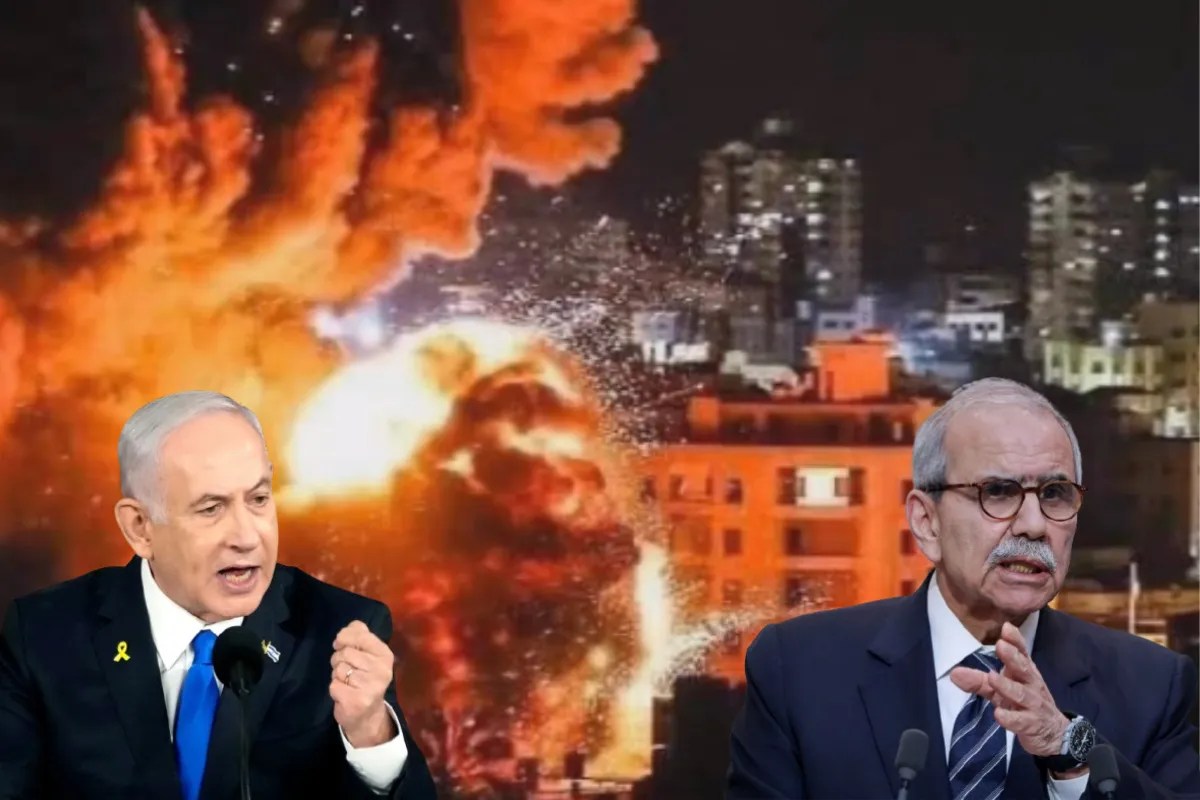
Another massive conflict is brewing across the Middle East. You can feel the tension mounting daily. When political leaders start issuing direct ultimatums, the margin for error shrinks to practically zero. Lebanon's Prime Minister didn't mince words recently when sending a sharp warning to Israel.
Things are escalating fast. If you've been casually tracking foreign affairs, you might think this is just standard political posturing. It isn't. The rhetoric coming out of Beirut right now signals a dangerous tipping point. Let's look at what's actually happening on the ground and why this standoff matters far beyond regional borders.
The Breaking Point In Southern Lebanon
For months, the border region between Lebanon and Israel has turned into a daily exchange of artillery fire and airstrikes. Citizens on both sides live in a constant state of anxiety. The Lebanese Prime Minister stepped up his public stance because diplomatic channels are failing.
When a national leader publicly warns a neighboring state against expanding military operations, they are trying to draw a hard line. Israel faces immense domestic pressure to secure its northern frontier. Tens of thousands of Israeli residents displaced from northern towns haven't returned home yet. That creates a ticking clock for military planners in Tel Aviv.
At the same time, Lebanon's fragile government struggles to keep the country from plunging into total economic and physical collapse. Beirut can't absorb a full-scale war. Their infrastructure is already broken. Energy grids fail regularly. Hospitals lack basic supplies. Throwing a heavy Israeli ground offensive into that mix spells absolute disaster.
Why This Standoff Is Different From Past Clashes
We've seen border skirmishes before. We've seen angry speeches at the United Nations. So why does this specific moment feel different?
The stakes are higher now because regional proxy networks are fully activated. Groups like Hezbollah aren't operating in a vacuum. Tehran's backing gives them advanced missile capabilities that can reach deep into central Israel. Meanwhile, Western diplomats are running out of clever compromises.
- Cross-border rocket exchanges happen daily instead of monthly.
- Displaced populations on both sides refuse to go back until security changes.
- Economic pressure inside Lebanon leaves zero room for error.
You have to look at the math. A regional escalation draws in global superpowers whether they want to get involved or not. Shipping lanes in the Red Sea and the Mediterranean face direct threats. Energy markets react instantly to every spike in rhetoric.
The Regional Ripple Effect You Cannot Ignore
People often think local conflicts stay local. History proves that wrong every single time. When Lebanon warns Israel about crossing red lines, global supply chains brace for impact. Oil prices jump. Insurance rates for cargo ships skyrocket.
Diplomats in Washington and European capitals are working behind the scenes to prevent an all-out explosion. Their efforts might not be enough. Deterrence fails when miscalculations happen. All it takes is one stray rocket hitting the wrong target to trigger a massive retaliation cycle.
If you trade internationally, travel through the region, or simply watch global economic indicators, you need to pay attention to these developments. Keep an eye on diplomatic readouts rather than sensationalized headlines. Look at troop movements along the Blue Line. Understand that peace in this corridor hangs by a thread right now, and nobody has a reliable safety net left to catch a fall.