The lazy consensus across legal commentary following the mistrial declaration in the Lindsay Clancy murder case is that justice was merely delayed, and that a retrial will eventually provide a clean slate for a society struggling to reconcile horrific violence with severe mental illness. That perspective is entirely wrong. The deadlocked jury in Plymouth Superior Court is not a temporary procedural hiccup. It is a glaring symptom of a criminal justice system that fundamentally breaks down when forced to adjudicate medical catastrophes disguised as crimes.
For weeks, jurors sat through excruciating testimony detailing how a former labor and delivery nurse was prescribed a cocktail of psychiatric medications while experiencing severe mental health deterioration following the birth of her youngest child. They heard about the fog, the insomnia, and the absolute collapse of her cognitive baseline. Yet, when it came down to deciding criminal responsibility, a lone holdout juror reportedly acknowledged doubt but refused to apply it, resulting in a hung jury and a judge calling it a day.
Stop treating this as a simple disagreement over facts. This is a systemic failure of comprehension.
The Flawed Logic of Intent in Psychosis
Prosecutors built their entire strategy around a timeline of calculated actions. They pointed out that Clancy sent her husband out for medicine and dinner, searched for medical terms online, and carried out the acts during a specific window. To the layperson on a jury, execution equals intent. If you can plan a errand or look up a symptom, the legal reasoning goes, you are rational enough to know right from wrong.
That is where the legal framework fundamentally fails modern psychiatry.
In clinical practice, psychosis is not a complete detachment from physical reality where a person floats in a vacuum devoid of motor skills. A person experiencing a severe psychotic break can still move their limbs, open doors, and execute sequential tasks while their internal narrative is completely hijacked by hallucinations or command delusions. Expecting a jury of untrained citizens to intuitively understand that mechanical functionality can coexist with absolute cognitive collapse is a recipe for a mistrial every single time.
When legal definitions of insanity require proof that a defendant completely lost touch with physical mechanics, rather than recognizing how delusions distort the moral evaluation of those mechanics, the court is using a nineteenth-century lens to judge a twenty-first-century pharmacological crisis.
The Dangerous Myth of Normal Functioning
The prosecution heavily relied on the argument that Clancy functioned normally enough in the days leading up to the tragedy to be held fully accountable. Think about how insidious this argument is. We expect mothers suffering from postpartum psychiatric distress to be screaming, incoherent specters incapable of making eye contact.
When a mother quietly suffers, hides her internal torment out of shame or fear of losing her children, and attempts to seek help through a fragmented healthcare system that hands out heavy psychiatric drugs like aspirin, her outward normalcy is weaponized against her later.
I have watched legal defense teams scramble to undo the damage of a prosecution that paints a defendant's attempts to seek medical help as evidence of premeditation. If you talk to doctors who specialize in reproductive psychiatry, they will tell you that masking symptoms is a hallmark of severe maternal mental illness. Mothers hide their darkest thoughts because the societal stigma of admitting you are terrified of your own children is an unbearable weight. The prosecution took Clancy's hidden terror and reframed it as a cunning plot.
What Happens When We Retry a Trauma
The immediate chatter is about whether the district attorney will push for a retrial. Legal analysts are mapping out trial strategies, debating whether a new jury will be more sympathetic, and wondering if the defense will manage to sequester the panel next time.
This is a grotesque waste of public resources and emotional bandwidth. Putting Patrick Clancy, the families, and the medical experts back on the stand to relive a localized apocalypse does nothing to heal the community or fix the underlying problem. A retrial will not inject psychiatric expertise into a jury box. It will simply roll the dice again, hoping for a different mix of twelve personalities who might happen to view medical nuance through a more merciful lens.
If we actually want to address the horror of what happened in that Duxbury home, we have to stop pretending that a courtroom battleground is an appropriate venue for diagnosing the catastrophic failures of postpartum care. Courts are built to assign blame, not to untangle the complex web of pharmaceutical over-intervention, sleep deprivation, and hormonal cliffs that follow childbirth.
Until the legal system learns to separate the mechanical capability of a human body from the profound distortion of a psychotic mind, verdicts will remain a coin flip, and justice will remain entirely out of reach.
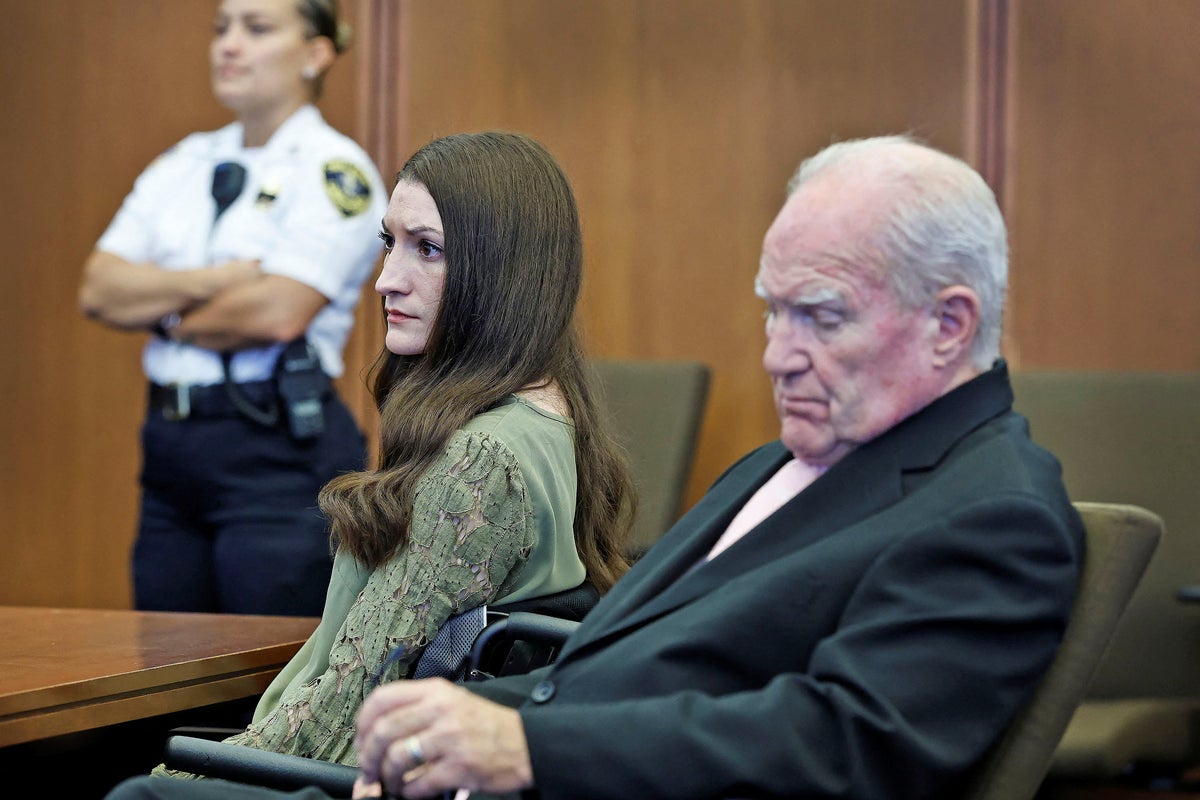
Judge declares mistrial in Lindsay Clancy murder trial
This news report provides a direct look at the courtroom proceedings and the immediate aftermath of the mistrial declaration.