Frost settles early in the high passes of the western Himalayas. Up there, where the air thins until every breath tastes like ice and metallic dust, the border is not a line drawn on parchment by colonial cartographers. It is a presence. It is a jagged ridge of slate and grey granite that dictates how men move, how nations think, and how quiet the nights are.
For years, that quiet had a razor edge.
Consider what it felt like to stand in the valleys below, watching the weather shift not just in the skies, but in the posture of two nuclear-armed giants sharing a three-thousand-kilometer frontier. In the summer of 2020, the Galwan Valley was more than a geographical coordinate; it was a scar. Tensions curdled into violence in the dark, shattering decades of fragile understandings. Patrols stopped talking. Binoculars locked onto binoculars across frozen gorges. Diplomats spoke in clipped syllables through interpreters, and the word detente sounded like a cruel joke whispered in a boiler room.
Yet history is rarely a straight line. It is a pendulum dragged down by gravity, swinging slowly back through exhaustion, economic necessity, and the sheer, grinding weight of two billion people who simply need to live.
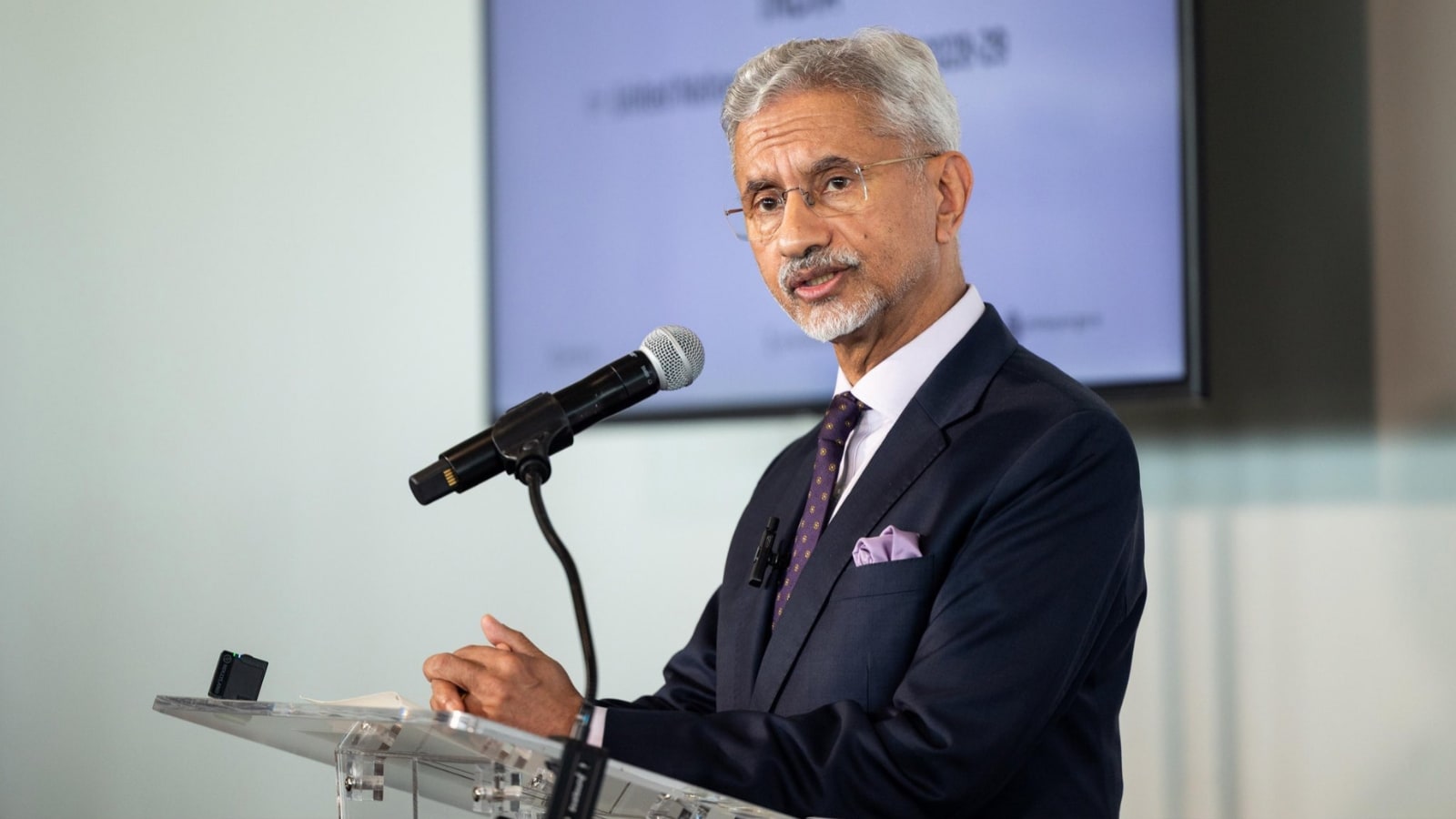
Step back into the office of India’s External Affairs Minister, Subrahmanyam Jaishankar. He is a man who speaks in measured, deliberate paragraphs, his voice stripped of rhetorical excess. When he looks at the map today, the calculus has shifted. Not into a sudden brotherhood—geopolitics does not deal in fairy tales—but into something far more mundane, and therefore far more durable: stabilization.
In recent public assessments, Jaishankar has pointed to a fundamental reality that reporters in foreign bureaus often miss. Ties between New Delhi and Beijing are, by measurable degrees, better today than they were during the bruised aftermath of 2020. Disengagement agreements along specific friction points in eastern Ladakh have pulled back the vanguard of troops. Buffer zones have formed. The immediate threat of accidental escalation—that terrifying midnight spark that could set half a continent aflame—has dimmed.
But why? And more importantly, what does it cost to look across the table at an adversary and nod rather than snarl?
To understand this, you have to leave the wood-paneled conference rooms of New Delhi and walk down into the bustling commercial alleys of Mumbai or the sprawling industrial parks outside Tianjin. Economics is the great solvent of ideology. China remains one of India’s largest trading partners, even as New Delhi erects regulatory walls to protect its domestic manufacturing and critical infrastructure. The supply chains of the twenty-first century are messy, stubborn things. You can ban apps and restrict direct foreign investment, but try telling a pharmaceutical manufacturer in Gujarat that they can no longer source the active pharmaceutical ingredients they need from Zhejiang without completely halting production lines that save lives.
Trade creates friction, yes. But absolute severance creates catastrophe.
Both capitals recognized a sobering truth: perpetual hostility is an anchor dragging down their respective ascents. India is surging toward its demographic dividend, attempting to build highways, semiconductor plants, and green energy grids at a breakneck pace. China is grappling with an economic slowdown, property market tremors, and an increasingly assertive Western coalition led by the United States. Neither Beijing nor New Delhi wanted a permanent two-front distraction on the roof of the world.
Diplomacy, in its truest sense, is the art of managing irreconcilable differences so that they do not become intolerable ones.
Imagine a hypothetical village elder in Himachal Pradesh, watching the supply trucks rumble past toward the border camps. Five years ago, every rumble carried a question mark. Is today the day? Today, the trucks carry maintenance supplies rather than reinforcement battalions. The tension hasn't vanished; it has been institutionalized, channeled back into the slow, grinding machinery of corps commander talks and diplomatic notes verbales.
Skepticism is warranted. Trust is entirely absent. In international relations, trust is a dangerous currency. What exists instead is a calculated recognition of limits. China knows that pushing India further into the arms of Western security architectures like the Quad carries strategic costs. India knows that a hot war with its northern neighbor would derail its economic ambitions for a generation.
So they talk. They patrol with new protocols. They pull back their artillery by kilometers that take days to traverse on foot.
The air in the high passes remains thin. The wind still howls down the ravines, indifferent to treaties, communiques, or ministerial press conferences. But down below, the ice is fracturing into something resembling motion. It is not peace. It is the breathing space between storms. And in a fractured world, that is enough to begin.