Reality TV casting directors clearly don't know how to use the internet.
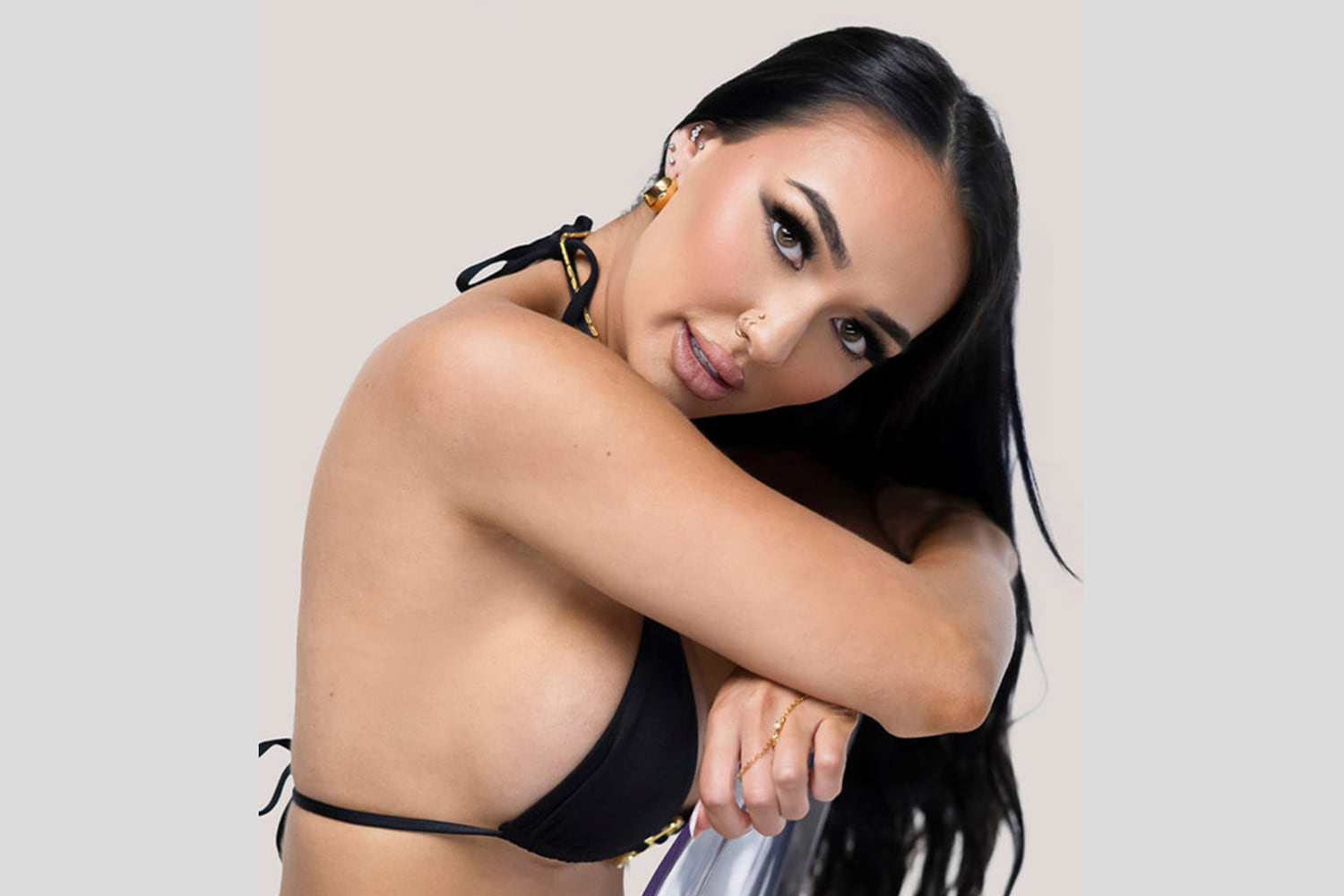
Just two days after Peacock announced the official cast for Love Island USA Season 8, the production team scrambled to erase a contestant from the lineup. Vasana Montgomery, a 25-year-old aesthetician and business owner from Oregon, got the boot before she could even step foot inside the Fiji villa.
The cause? Old videos circulated online showing Montgomery using the N-word. In one clip, she used the slur while rapping along to a song. In another, she dropped it casually during a trip to an arcade.
This isn't an isolated mistake. It's a systemic pattern. This marks the second consecutive year that Love Island USA had to panic-evict a cast member for racist language. Fans are doing the basic digital digging that a major network apparently can't handle.
The Failing Vetting System at Peacock
Production sources tried to clear their names by telling TMZ that Montgomery's videos were kept private. They claimed the clips weren't publicly accessible when the show ran its background checks.
That excuse falls flat. Internet sleuths took less than 48 hours to find the footage. If a teenager on TikTok can unearth a public figure's controversial past over a lunch break, a multi-billion-dollar entertainment machine has no excuse.
The show shoots almost in real-time. Episodes air roughly two days after filming happens. This fast production schedule means the network relies heavily on immediate fan engagement, but that engagement backfires when the audience immediately points out that the people on screen have a history of using slurs.
Look at the track record. Season 7 was a total disaster for casting integrity. First, Yulissa Escobar got cut just two days into the season after podcast clips showed her using the N-word. Weeks later, Cierra Ortega was abruptly removed just seven days before the finale. Fans found old Instagram posts where Ortega used an anti-Asian slur to describe her eyes.
The Reality Behind the Fast Apology Cycle
The blueprint for surviving a reality TV racism scandal is entirely predictable. Step one: get removed for a "personal situation" announced by the narrator. Step two: wait 48 hours. Step three: post a lengthy video wearing a plain sweatshirt talking about accountability.
When Ortega left Season 7, she wore a sweatshirt emblazoned with the word "empathy" while apologizing on TikTok. She stated she had no idea the word held so much historical pain. Escobar released a similar statement, claiming she used the word ignorantly without understanding its weight.
These statements show a massive gap between internet culture and network screening. Contestants frequently use the exact same defense: "intent doesn't excuse impact." They say the right words once the corporate crisis management teams step in, but the damage to the show's credibility is already done.
Digital Footprints are Forever
Casting teams need to change how they vet talent. Checking criminal records and running a basic Google search isn't enough in 2026. If you're casting people who have spent their entire lives building an online presence, you have to search like an adversary.
- Scour private fan forums. Casual racism often hides in old group chats, deleted secondary accounts, or deep in the comment sections of local businesses.
- Audit audio and video. Montgomery's downfall came from video clips, not text. Vetting teams must watch old live streams, podcast appearances, and background audio of TikTok posts.
- Stop relying on standard third-party background checks. Standard corporate background checks look for credit scores and criminal convictions. They don't look for cultural insensitivity or casual bigotry.
If Peacock wants to stop losing contestants mid-season and rewriting storylines on the fly, they need to hire the internet sleuths who keep exposing their cast. Until then, expect Season 9 to feature the exact same headlines.