We've all heard the political spin. When voter mood tanks right before a major election, incumbents sweat and challengers smell blood. But focusing entirely on the ballot box misses the deeper financial reality of what happens when household confidence hits historic lows. It isn't just about who wins or loses a congressional seat. It’s about a profound disconnect between macroeconomic spreadsheets and what people actually feel when they open their grocery bills.
The Real Cost of Living Squeeze
Look past the topline GDP figures and corporate earnings reports. Main Street operates on a completely different rhythm than Wall Street. When consumer sentiment index readings crater, it points directly to persistent inflation and borrowing costs that haven't given families room to breathe.
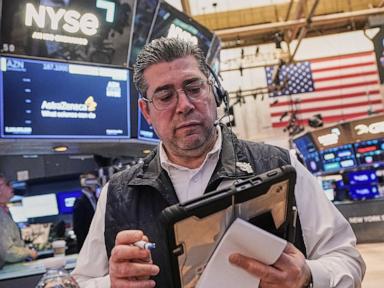
We saw this play out vividly leading up to the recent midterms. Even as equity markets posted respectable gains, everyday voters were dealing with stubbornly high prices at the pump and mortgage rates hovering well above historical averages. Economists can talk about cooling inflation rates all they want, but cumulative price hikes over previous years mean a gallon of milk or a tank of gas simply costs more than people are willing to comfortably pay. When essentials consume a massive share of household income, confidence drops. It’s that simple.
Partisan Sorting and Economic Vibe Shifts
One of the most fascinating patterns during high-stakes election cycles is how economic optimism splits along party lines. Sentiment isn't purely objective. It's heavily filtered through a political lens.
When political power shifts or a hard-fought election concludes, consumer expectations pivot overnight based on who holds office. After the polls close, partisans on the winning side suddenly feel better about their financial future a year down the road, while voters on the losing side sour on long-term business conditions. This psychological whiplash proves that consumer confidence surveys measure political tribalism just as much as they measure actual economic health.
Why Markets and Polls Miss the Mark
Relying solely on consumer sentiment to predict election outcomes or future spending habits often backfires. There is a strange phenomenon where plunging confidence doesn't immediately crash actual consumer demand. People might tell pollsters the economy is headed in the wrong direction, yet they keep swiping their cards out of sheer necessity or habit.
At the same time, financial markets often shrug off weak consumer sentiment if corporate productivity and industrial output remain strong. Understanding this gap requires looking past generic panic headlines. The real story isn't that the entire economy is collapsing. The story is that households feel structurally squeezed by the baseline cost of modern life, creating a permanent undercurrent of anxiety that flares up every time a major election forces people to think about the direction of the country.
Ignoring this anxiety is a mistake. Whether sentiment rebounds quickly after a political dust-up settles or stays depressed depends entirely on whether wages can finally outpace the permanent baseline shift in everyday expenses. Until then, expect voters and consumers to remain deeply skeptical of any politician claiming everything is fine.