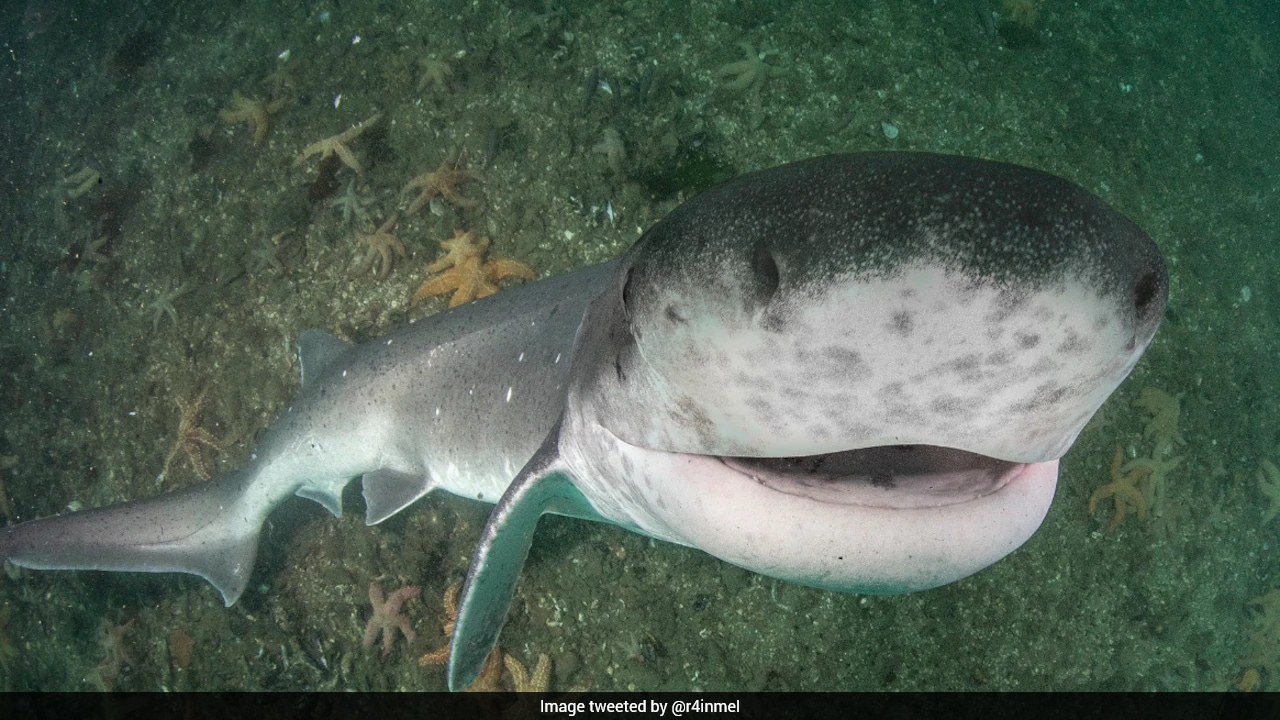
A 31-year-old spear-fisherman survives a bite from a seven-foot shark in Australia.
The media runs the exact same script they have used since 1975. "Horror attack." "Miracle survival." "Man battles apex predator."
It is lazy. It is predictable. Worst of all, it fundamentally misunderstands marine biology, risk calculation, and human behavior.
When a media outlet covers a shark encounter, they frame it as a malicious assault or a freak anomaly. They treat the ocean like a local swimming pool and the shark like a trespasser. This narrative sells ads, but it makes the public profoundly stupid about actual risk.
Let us dissect the reality of what happened off the Australian coast, why the mainstream narrative is entirely wrong, and what the numbers actually tell us about entering the marine food chain.
The Myth of the Attacking Shark
The word "attack" implies intent to destroy. When a dog attacks a human, it is often territorial or aggressive. When a human attacks another human, there is malice or motive.
When a seven-foot shark bites a spear-fisherman, it is almost never an attack. It is a predatory investigation or a dispute over resources.
Consider the mechanics of a true shark attack. A great white, tiger, or bull shark intent on consuming a 180-pound mammal does not bite once and swim away. They hit with the force of a freight train, breach, and consume. The overwhelming majority of shark encounters in Australia are "test bites." Sharks lack hands. They investigate the world with their mouths.
More importantly, look at the context of the 31-year-old diver. He was spear-fishing.
Spear-fishing involves shooting fish, causing them to bleed, and letting them emit high-frequency distress vibrations through the water column. To a shark, this is not an invitation to hunt humans; it is a dinner bell for a free meal. The diver is holding the prize. The shark goes for the prize, misses or miscalculates, and catches human flesh.
Calling this an "unprovoked attack" is like bleeding out in a lion enclosure while holding a raw steak and blaming the cat for being aggressive.
The Mathematical Illiteracy of Ocean Panic
Global media treats a shark bite as a rising trend, a sign that the oceans are suddenly teeming with man-eaters seeking vengeance.
Let us look at data from the International Shark Attack File (ISAF) managed by the Florida Museum of Natural History. Globally, there are typically fewer than 100 unprovoked shark bites per year. Out of those, fatalities usually sit in the single digits.
Compare this to almost any other human activity. More people die annually from:
- Falling coconuts
- Vending machines tipping over
- Lightning strikes while golfing
- Riding a horse
Yet, we do not see breaking news alerts reading "Man Miraculously Survives Encounter with Domestic Equine."
When you step into the ocean in Western Australia, Queensland, or New South Wales, you are entering a wild wilderness. You are no longer at the top of the food chain. The fact that millions of people swim, surf, and dive every single day in Australia, and only a fraction of a percent ever see a shark, proves that humans are actively avoided. We taste bad, we lack the fat content of seals, and we look weird.
The real danger is not the shark. It is the panic.
How Media Sensationalism Kills Marine Ecosystems
This is not just an issue of annoying headlines. The language used by major news networks has policy consequences.
Every time a "horror bite" dominates the news cycle, politicians face immense pressure from terrified voters who do not understand statistics. The result? Drum lines, shark culls, and gill nets.
Australia has used lethal shark control measures for decades. These nets do not create an impenetrable barrier. Sharks swim around them. What the nets actually do is catch and kill non-target species: green sea turtles, dolphins, rays, and harmless nurse sharks.
I have spent years analyzing wildlife management policies, and the data is clear: culling does not lower the rate of shark bites. It simply decimates the local marine hierarchy. When you remove apex predators, smaller predator populations explode, destroying commercial fish stocks. The media's need for a scary story directly drives ecological destruction.
Dismantling the Premise of Ocean Safety
People often ask: "How do we make the beaches 100% safe from sharks?"
The question itself is flawed. You cannot make a wilderness safe. If you want zero risk of a shark bite, do not go into the ocean. It is that simple.
We have developed a culture of entitlement regarding nature. We expect the ocean to be engineered for our comfort. We want the thrill of the wild without the reality of the wild.
If you choose to spear-fish in known shark territory, you are accepting a calculated gamble. You are entering their kitchen while frying bacon. If you get burned, you do not blame the stove.
The Rules of Engagement Every Diver Knows
The mainstream media loves to interview traumatized bystanders, but they rarely talk to experienced divers who coexist with these animals daily. If you want to minimize your risk, throw out the media playbook and follow the actual protocols of the water:
- Ditch the spear if a predator arrives: If you shoot a fish and a shark appears, the fish belongs to the shark. Period. Do not fight for it.
- Maintain eye contact: Sharks are ambush predators. If you track them, point your speargun or camera at them, and show you see them, they lose the element of surprise and usually move on.
- Avoid low visibility and river mouths: Bull sharks love murky water where they cannot distinguish between a foot and a mullet. If it rained yesterday, stay out of the water.
- Stop swimming at dusk and dawn: This is peak feeding time for coastal species. You are swimming during their operating hours.
The 31-year-old diver in Australia survived because he was fit, his buddies applied a tourniquet quickly, and the shark realized its mistake immediately. It was a failure of situational assessment, not a monster movie come to life.
Stop reading the sensationalist garbage that frames the ocean as a war zone. Respect the risk, understand the math, or stay on the sand.