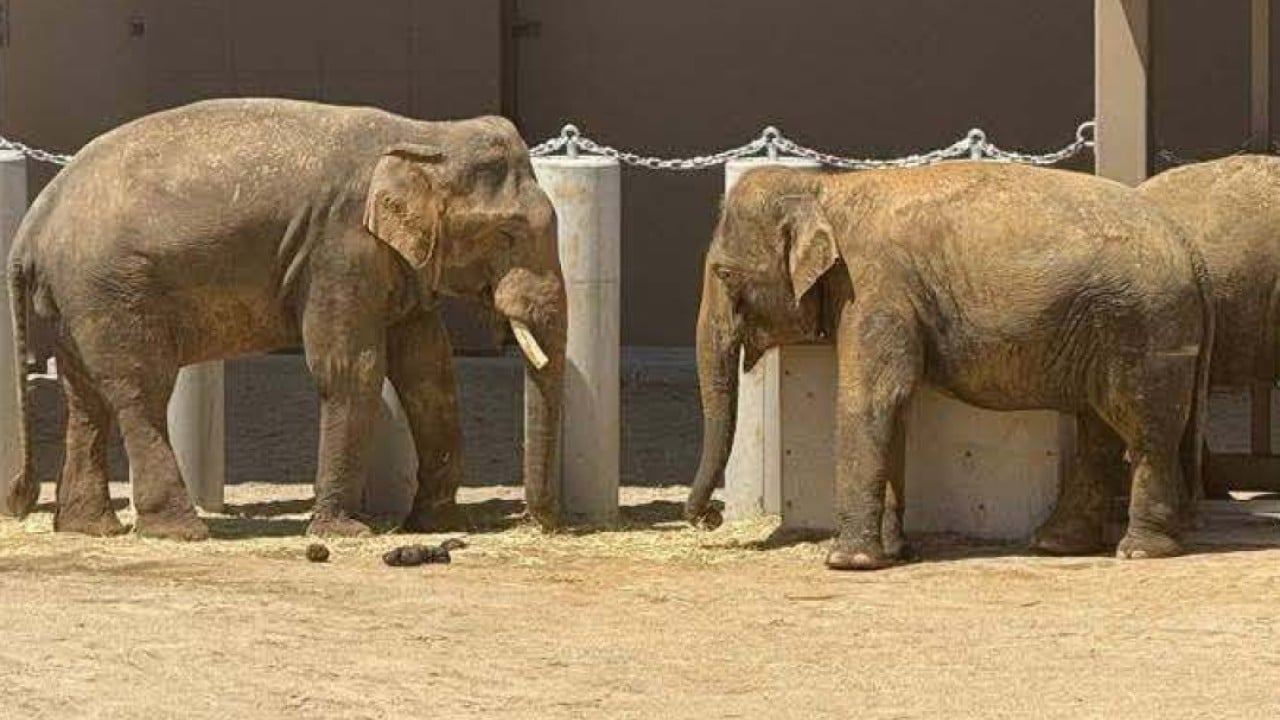
Activists are running 290 kilometers across Malaysia to save three elephants that do not need saving.
The recent uproar over the transfer of Dara, Amoi, and Kelat—three Asian elephants moved from Taiping Zoo to Tennoji Zoo in Osaka—is a masterclass in emotional short-sightedness. The Malaysian Anti-Corruption Commission is aggressively investigating a purported RM53 million financial leakage. Wildlife groups are screaming about illegal wild captures and demanding immediate repatriation. Also making waves recently: The Anatomy of Middle Power Alignment: Quantifying the India Canada Strategic Equilibrium.
They are missing the entire point.
The transactional messiness of this deal is an administrative sideshow. If brokers lined their pockets, jail them. But demanding the return of these animals under the guise of "species protection" is a regression masquerading as ethics. Moving these elephants to Japan is a highly rational, defensive move for the survival of the species. More information into this topic are covered by Associated Press.
The lazy consensus says wild animals must remain in their native lands at all costs. That sentimentality is killing wild animals.
The Myth of the Sacred Native Habitat
The primary argument pushed by environmental groups like Peka and Hidup rests on an outdated romance: that Malaysia is an pristine sanctuary where elephants roam free without a care in the world.
I have spent years analyzing conservation supply chains and land-use data in Southeast Asia. The reality on the ground is grim. Malaysia is facing an unprecedented surge in human-elephant conflict. Rapid agricultural expansion has carved up ancient migration corridors. What remains is a fractured patchwork of forests surrounded by electric fences and vast oil palm plantations.
When elephants cross into these human territories, nobody wins. Crops are destroyed. Millions of ringgit evaporate. Just recently, a handler in Sabah was gored to death. Elephants are regularly poisoned, shot, or snared by farmers protecting their livelihoods.
Depositing every captured or displaced elephant into local facilities like the National Elephant Conservation Centre in Kuala Gandah is not a viable strategy. These domestic sanctuaries are already bursting at the seams. They operate under severe budgetary constraints and structural limitations.
To insist that an endangered animal is better off in a highly stressed, fragmented home territory rather than a well-funded international research institution is a fundamental misunderstanding of modern ecology.
The Arithmetic of Genetic Insurance
Consider the hard numbers behind global zoological management. The Asian elephant population in the wild is plummeting. When a population becomes isolated in small pockets of forest, genetic stagnation occurs. Inbreeding depression weakens the gene pool, making populations highly vulnerable to disease outbreaks, such as Elephant Endotheliotropic Herpesvirus.
International transfers under long-term research frameworks act as a critical genetic insurance policy.
- Risk Diversification: Distributing individuals across geographically distinct, high-resource zones isolates portions of the population from localized environmental catastrophes or disease vectors.
- Resource Influx: High-income nations possess the capital required to fund deep metabolic, reproductive, and behavioral studies that developing nations simply cannot prioritize in their national budgets.
- Global Visibility: Placing these animals in a major metropolis like Osaka drives international funding and scientific focus back to the preservation of Southeast Asian biological systems.
Imagine a scenario where an aggressive pathogen sweeps through the remaining wild herds of the Malaysian peninsula. If every single individual is kept within the geographic boundaries of a single state, the entire lineage faces extinction. By exporting healthy individuals to world-class facilities abroad, conservationists establish a biological off-site backup.
Follow the Phantom Millions
The media is obsessed with the RM53 million figure that supposedly vanished into the pockets of unprincipled middlemen. Let us look at that transaction with cold, commercial realism.
International animal logistics is a highly specialized, capital-intensive industry. Moving three multi-ton mammals across oceans requires custom-built crates, chartered cargo flights, round-the-clock veterinary teams, international compliance mapping, and decades of guaranteed dietary and medical infrastructure. The paperwork alone involves crossing the strict legal boundaries established by the Convention on International Trade in Endangered Species of Wild Fauna and Flora.
When activists see a massive financial figure, they immediately assume it represents straight bribery. Even if a portion of those funds was diverted through procedural irregularities—which requires a transparent investigation—the bulk of international animal exchanges involves vast sums of structural capital.
If a middleman managed the complex logistics of safely transporting three wild-captured or captive-raised elephants across thousands of miles without a single casualty, they performed a highly technical service. If they overcharged the state or bypassed the treasury, punish the financial crime. Do not weaponize the financial dispute to dismantle the biological validity of the transfer.
The Hypocrisy of Local Protectionism
The loudest voices demanding the repatriation of Dara, Amoi, and Kelat are often completely silent regarding the structural failures within domestic wildlife management.
Local municipal zoos across developing nations regularly struggle to maintain basic nutritional and environmental standards for large mammals. Enclosures are outdated. Veterinary staff are overworked. Funding is deeply tied to shifting political administrations and volatile tourism cycles.
Tennoji Zoo in Osaka, conversely, operates backed by municipal stability and deep institutional wealth. The quality of preventative veterinary care, environmental enrichment, and dietary precision available in a top-tier Japanese facility is structurally superior to what a regional municipal zoo in Perak can offer over a 25-year horizon.
To drag these animals back to Malaysia out of nationalistic pride is an act of cruelty. It prioritizes political optics over the physical and psychological well-being of the living entities involved.
Stop Asking the Wrong Questions
The public discourse surrounding this inquiry is entirely broken. The media asks who took the money and how fast the elephants can be brought back.
The correct question is far more uncomfortable: How can Malaysia build a scalable, legally transparent framework to export more at-risk wildlife to international partners who can afford to keep them alive?
The current system relies on opaque memorandums of understanding and ad-hoc arrangements that invite corruption. That is the true failure here. The solution is not to halt international wildlife sharing and isolate local populations. The solution is to institutionalize the practice.
We must treat wildlife conservation as a global asset distribution problem, not a local property dispute.
When we lock down borders and prevent the strategic movement of endangered species due to administrative paranoia, we accelerate their demise. The MACC should hunt down every single cent of the missing RM53 million. The courts should penalize any official who abused their position. But the elephants must stay in Osaka. They are exactly where they belong: safe, well-funded, and serving as a vital outpost for the survival of their lineage.