You’d think a country facing constant coups and a full-blown siege on its capital would see every foreign investor sprinting for the exits. But Mali is different. On paper, it's a mess. On the ground, it's Africa’s third-largest gold reserve, and the math for mining companies simply doesn't care about the headlines. If you're looking at the map of Mali’s natural resources today, you aren't just looking at dirt and rocks. You're looking at the backbone of a national economy that refuses to quit, even when the government changes hands every couple of years.
The reality is that Mali sits on about 800 tonnes of proven gold reserves. The government thinks the actual geological potential is closer to 2,000 tonnes. That's a staggering amount of wealth for a nation of 24 million people. Gold makes up nearly 80% of Mali’s total exports. In 2024 alone, this sector generated roughly $4.3 billion. Most of this is concentrated in the southern regions like Sikasso and Koulikoro, and the western region of Kayes.
The Gold Gap and Smuggling Realities
Don't trust the official production numbers blindly. Official reports usually peg Mali’s annual output at around 57 tonnes, but the World Gold Council estimates the real number is closer to 100 tonnes. Why the massive gap? Smuggling and unrecorded artisanal mining.
Over two million Malians depend on mining for their livelihood. Most of these people aren't working for multi-billion dollar Canadian firms. They’re in the "artisanal" sector—basically people with shovels and pans. This "shadow" production often slips across borders without a cent of tax being paid. It’s a decentralized economy that keeps the country breathing when the formal state institutions are flickering.
More Than Just Yellow Metal
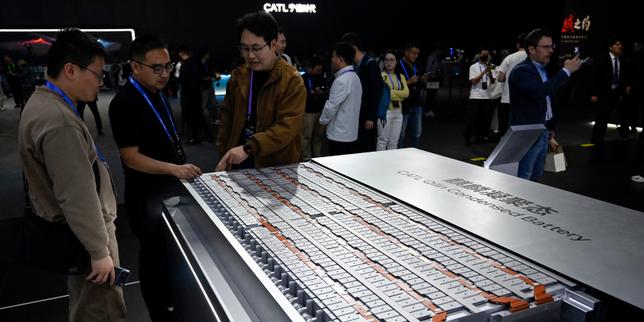
If you think Mali is only about gold, you're missing the bigger picture of the energy transition. The world is desperate for lithium, and Mali has it in spades. The Goulamina project in the south is one of the largest lithium deposits on the continent, boasting over 200 million tonnes of lithium-bearing resources.
While the news focuses on the Kidal and Falea regions for uranium or the Niger River basin for diamonds, lithium is where the smart money is moving. Here's a quick look at what's actually in the ground:
- Lithium: 5.8 billion tonnes (estimated resources)
- Iron Ore: 2 billion tonnes
- Bauxite: 1.2 billion tonnes
- Manganese: 10 million tonnes
- Uranium: 11,000 tonnes
The Goulamina lithium mine officially opened in 2024, and the Bougouni project followed in 2025. These aren't just "plans" anymore; they're operational realities. China’s Ganfeng Lithium owns a massive 65% stake in Goulamina, showing that while Western firms might hesitate during political friction, others see an opportunity to lock down supply chains.
The 2023 Mining Code Shakeup
In 2023, the military transition government changed the rules. They introduced a new mining code that allows the state to take up to a 35% stake in mining operations. Before this, the state’s share was much smaller. This wasn't a "polite suggestion." It was a demand to keep more revenue within Mali.
Predictably, this caused a firestorm. We’ve seen high-profile arrests of mining executives and legal battles in international arbitration courts. Canadian giant Barrick Gold, which has been running the Loulo-Gounkoto complex since 2005, is basically in a permanent state of negotiation with the state. The message from Bamako is clear: the old days of easy, low-tax extraction are over. If you want the gold, you pay the new price.
Why Investors Don't Leave
You might ask why anyone stays. The security risk is extreme—just last month, al-Qaeda-linked groups and Tuareg rebels launched attacks that killed the Defense Minister. But the economics of a high-grade gold mine are hard to beat. When the gold is there and the infrastructure is already built, companies tend to hunker down rather than walk away from billions in sunk costs.
Navigating the Mali Resource Map
If you’re looking at this from a business or geopolitical perspective, don't get distracted by the northern instability when the money is in the south and west. The "Birimian volcanic belt" is the geological jackpot where the major mines like Fekola, Syama, and Sadiola Hill sit. These areas are far better protected than the rest of the country because neither the government nor the rebels want to kill the golden goose.
The north remains largely underexplored. It's too dangerous for big rigs and international crews right now. But that just means there's a massive "reserve" of wealth waiting for the day things stabilize.
If you're serious about understanding Mali’s wealth, start by tracking the lithium exports coming out of Goulamina and the artisanal gold flows into Dubai. That’s where the real power lies. Keep a close eye on the enforcement of the 2023 Mining Code. If the government successfully squeezes the big players without breaking the industry, it'll set a new standard for resource nationalism across West Africa. Don't wait for "stability" to look at Mali—by then, the best spots on the map will be long gone. Check the latest export data from the IMF and the World Gold Council to see where the metal is actually moving today.